
Peasants
1982
No user ratings available yet
Representation score: 3.3 out of 10
Representation Score
Limited
1967
Director
Yevhen Khryniuk, Igor Starkov
Runtime
77 minutes
Average Rating
No ratings yetNew Showbiz Analysis
The Search is a mid-century character drama that prioritizes individual moral choices over demographic variety. It operates within a traditional framework, focusing on the psychological conflict between a son and his estranged father. While the film lacks diverse representation, it offers depth through its exploration of situational ethics. The protagonist's decision to honor a deceased mother's wishes creates a nuanced study of duty and resentment. Ultimately, the film adheres to the straight-centered and culturally homogeneous standards of its era, offering little in the way of intentional social or identity-based subversion.
Category Breakdown
The film focuses on a heterosexual relationship between Severin and Zhenya. There are no queer narratives or non-cisgender identities represented.
Zhenya plays a significant role in challenging the protagonist's detachment, providing a slight subversion of passive female stereotypes by taking control of her situation.
The production context suggests a culturally homogeneous cast. The narrative focuses on internal psychological struggles rather than multi-ethnic dynamics.
The story explores complex themes of filial obligation and personal morality. It examines the tension between individual autonomy and family legacy.
The father's serious illness drives the plot, but there is no information regarding how disability is portrayed or if characters have visible impairments.
Present on Screen
Limited or Absent
Official Synopsis
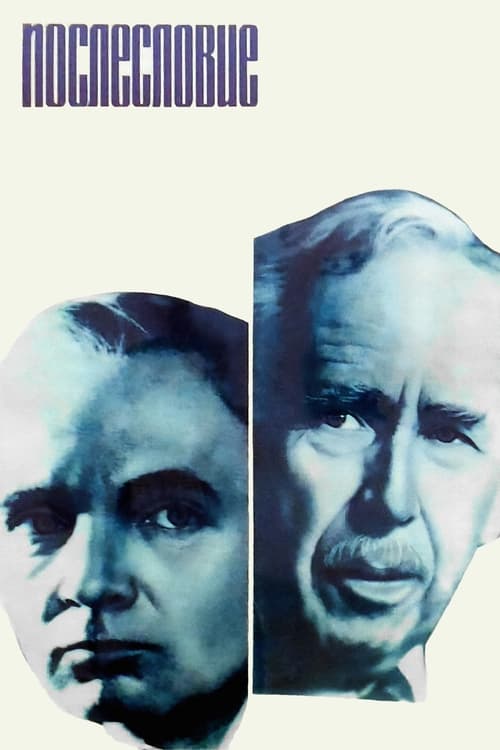
The young architect Severin Sereda receives a telegram with a message about his father’s serious illness. But he does not intend to go. Zhenya, his beloved girl, is outraged by such callousness, however, Severin explains that he gave the word to his deceased mother to never see his father who left her. Nevertheless, Zhenya manages to persuade Severin. He goes, but he doesn’t catch his father alive ...
1982
1961
1983

1959
1995
1974
2010
1957
No reviews yet. Be the first to share your thoughts on this movie!
Use the rating form above to leave a star rating and optional review.