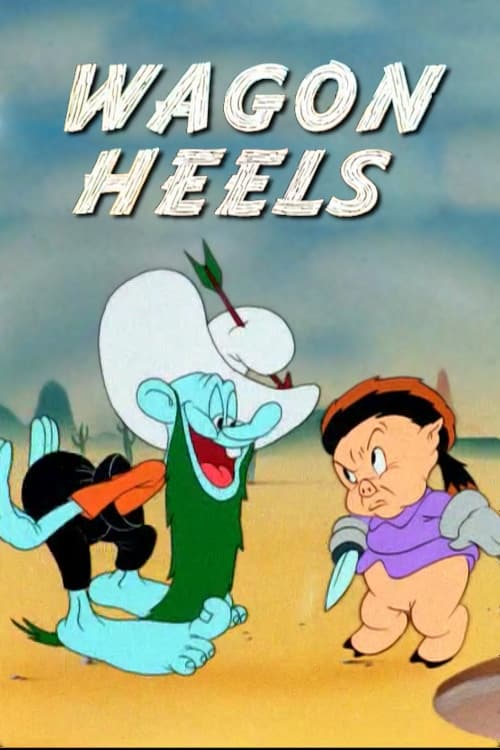
Wagon Heels
1945
No user ratings available yet
Diversity score: 1.3 out of 10
1943
ApprovedDirector
Robert Clampett
Runtime
8 minutes
Average Rating
No ratings yetSynopsis
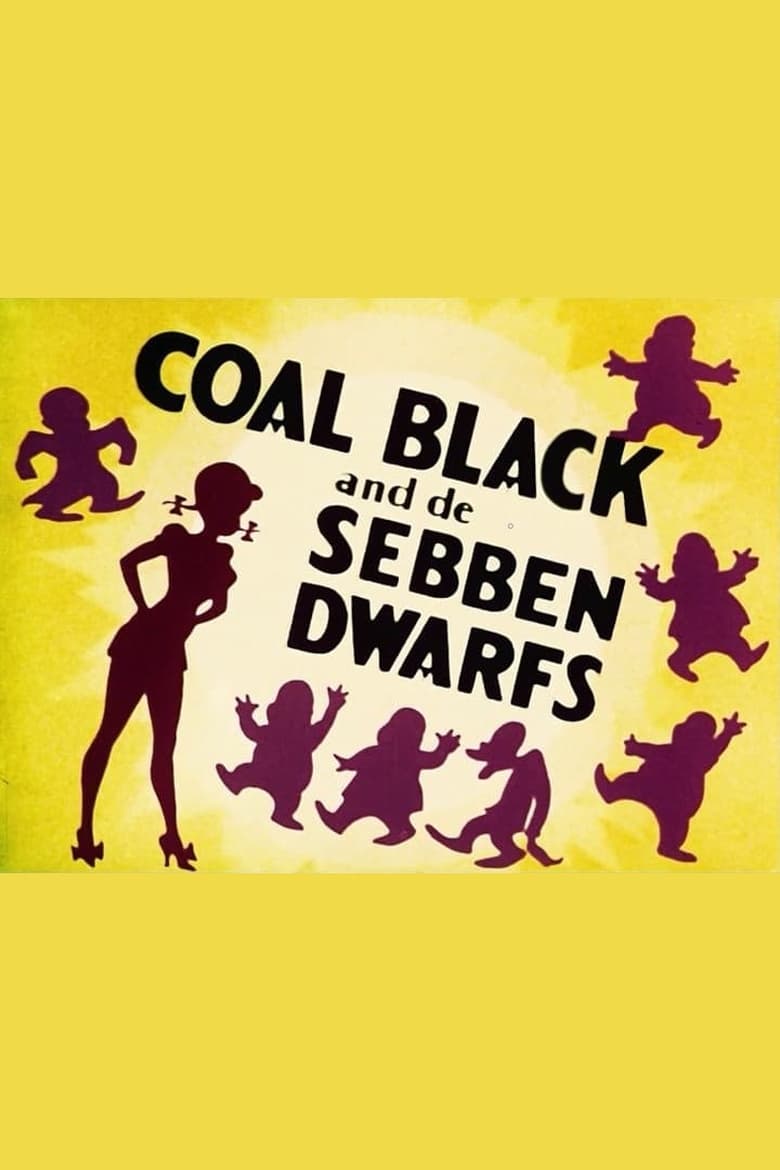
Spoof of Snow White and the Seven Dwarfs (1937) with an all-black cartoon cast. One of the “Censored 11” banned from TV syndication by United Artists in 1968 for racist stereotyping.
Overall Score
Limited
Category Breakdown
LGBTQ+ Representation
The film follows a traditional heteronormative structure centered on the protagonist's beauty. There is no evidence of queer subtext or non-cisnormative identities.
Gender Representation
The narrative replicates conventional feminine dichotomies, pitting a virtuous heroine against a jealous antagonist. While the protagonist has central agency, power dynamics remain tied to traditional beauty tropes.
Racial & Ethnic Diversity
Despite featuring an all-Black cast, the film relies heavily on racial caricature. Character designs utilize exaggerated features and tropes that reinforce systemic biases of the 1940s.
Religious & Cultural Diversity
The story operates within a standard Western fairy-tale framework. It lacks critique of Western institutions, presenting morality through a simple lens of good versus evil.
Disability Representation
The film does not feature characters with visible or invisible disabilities. The dwarfs serve as a comedic ensemble rather than exploring neurodivergence or physical disability.
Strengths
Areas for Improvement
AI Analysis
Coal Black and de Sebben Dwarfs presents a historical paradox. It disrupts 1940s animation norms by centering an all-Black cast, yet it fails to provide meaningful representation due to its reliance on regressive racial caricatures. The film's technical animation proficiency contrasts sharply with its use of harmful stereotypes. This tension is why the short was eventually withdrawn from syndication as part of the 'Censored 11.' Ultimately, the characters function more as racial signifiers than nuanced individuals. The work reflects the systemic biases of its era rather than subverting them.
1945
1946
1943
1942
1941
1946
1942
1944
1946
No reviews yet. Be the first to share your thoughts on this movie!
Use the rating form above to leave a star rating and optional review.