Farm Frolics
1941
No user ratings available yet
Representation score: 0.4 out of 10
Representation Score
Limited
1942
Director
Robert Clampett
Runtime
8 minutes
Average Rating
No ratings yetNew Showbiz Analysis
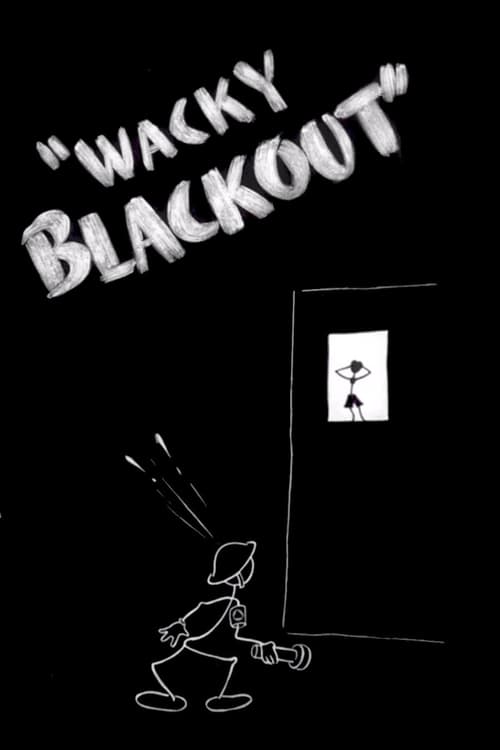
Wacky Blackout is a wartime comedy that focuses on quick, energetic sketches of animals preparing for war. It prioritizes fast-paced humor over deep character development. The film reflects the social norms of 1942, lacking progressive or multi-layered elements. Overall, the film serves as a collection of disjointed sketches emphasizing collective effort rather than individual identity or diverse perspectives.
Category Breakdown
The film does not depict any queer identities or roles. The narrative follows traditional structures common in 1942 animation.
The focus on animal characters reinforces traditional gender roles. The lack of specific character development means the film upholds conventional wartime stereotypes.
There is no indication of diverse or multi-layered character development. The farm setting likely adheres to the demographic norms of the time.
The narrative emphasizes patriotism and wartime effort. The rapid sketch format presents a fragmented view of societal duty without a clear moral message.
The film does not include any characters with physical or neurodivergent traits.
Present on Screen
Limited or Absent
Official Synopsis
We tour a farm and see how the various animals are preparing for the war, in a series of blackout skits.
1941
1941
1939
1942
1938
1940
1942
1942
No reviews yet. Be the first to share your thoughts on this movie!
Use the rating form above to leave a star rating and optional review.