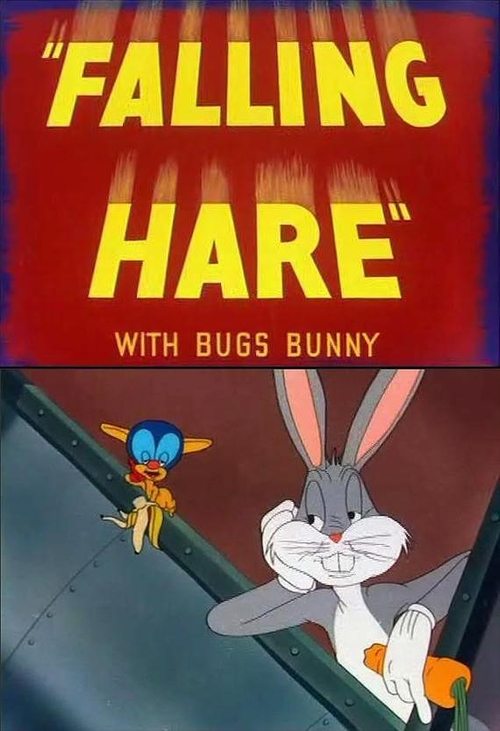
Falling Hare
1943
No user ratings available yet
Representation score: 1.6 out of 10
Representation Score
Minimal
1944
NRDirector
Robert Clampett
Runtime
7 minutes
Average Rating
No ratings yetNew Showbiz Analysis
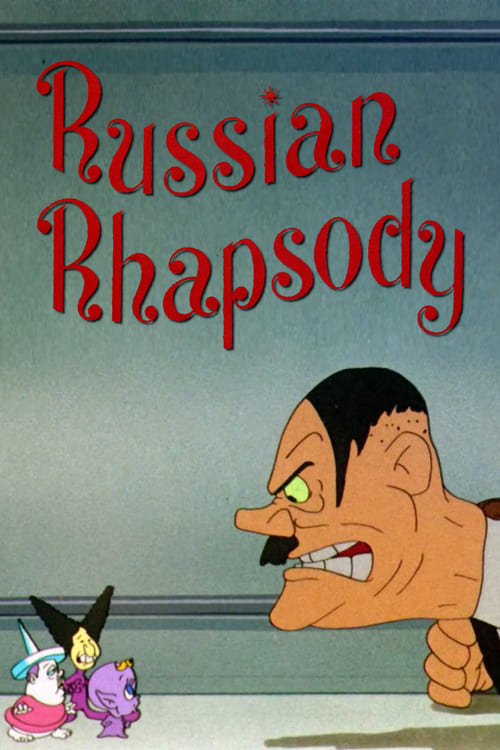
Russian Rhapsody is a period-specific artifact of the Golden Age of animation, designed as a topical response to the geopolitical realities of 1944. The narrative prioritizes wartime satire and allegorical combat over any form of characters who reflect more than one aspect of diversity. The film relies heavily on established political caricatures and nationalistic clichés to drive its plot. It functions as a piece of propaganda that reinforces the binary of mid-century international conflict rather than exploring diverse human experiences. Ultimately, the work adheres to the conventional, nationalist, and gender-binary storytelling norms of its era. It does not attempt to challenge social hierarchies or provide nuanced depictions of underrepresented identities.
Category Breakdown
The film focuses on military conflict and geopolitical satire. It does not address LGBTQ+ identities or gender diversity.
The narrative centers on male-coded figures of authority and military combatants. It emphasizes traditional masculine leadership and combat roles.
Conflict is driven by national and political identities. The film relies on nationalistic clichés and symbolic representations of the Kremlin, lacking nuanced ethnic diversity.
As wartime satire, the film engages with Western geopolitical interests. It operates within the framework of mid-century patriotic and military storytelling.
Characters are presented as political and military archetypes. There is no evidence of characters with visible or invisible disabilities.
Present on Screen
Limited or Absent
Official Synopsis
As Adolf Hitler personally flies a bomber on a mission to the Soviet Union, the gremlins from the Kremlin set about to stop him.
1943
1976
1945
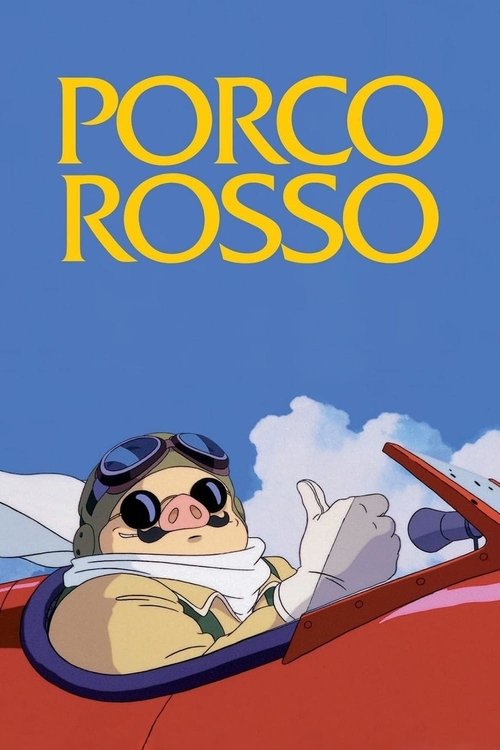
1992
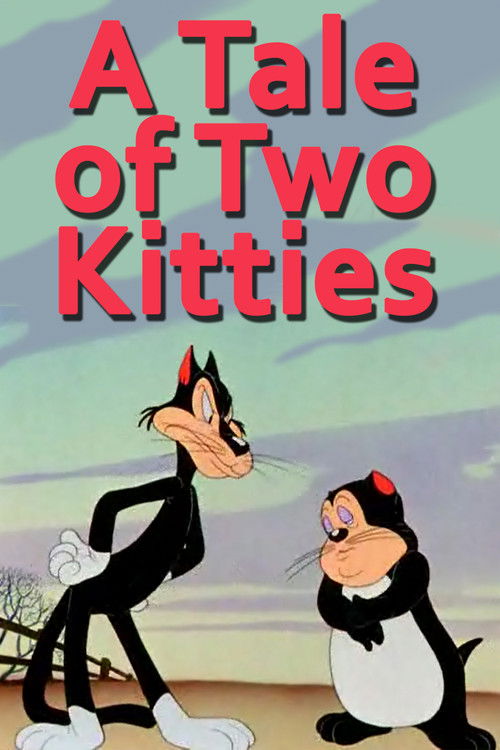
1942
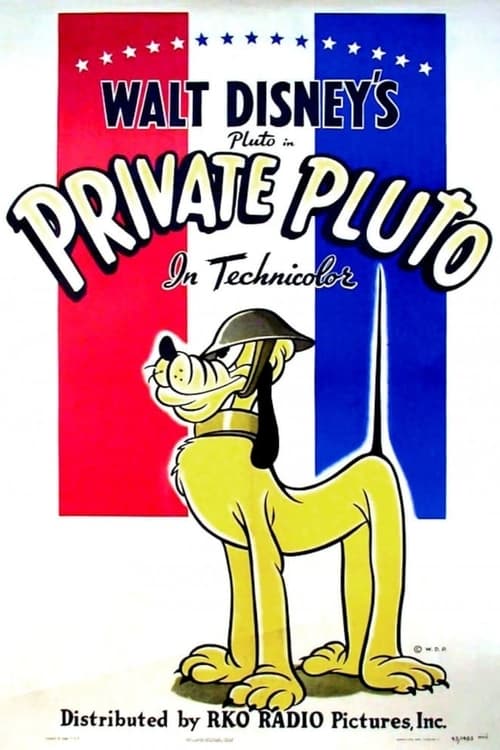
1943
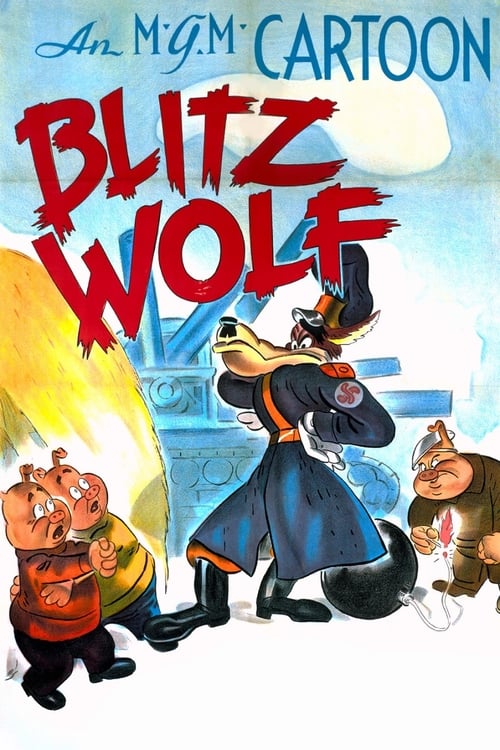
1942
1944
No reviews yet. Be the first to share your thoughts on this movie!
Use the rating form above to leave a star rating and optional review.