
What's Cookin' Doc?
1944
No user ratings available yet
Diversity score: 1.4 out of 10

1946
Director
Robert Clampett
Runtime
7 minutes
Average Rating
No ratings yetSynopsis
Movie patrons watch and interact with a variety of short subjects and a spoof of the film "To Have and Have Not."
Overall Score
Minimal
Category Breakdown
LGBTQ+ Representation
The film contains no depictions of non-cisnormative identities or same-sex intimacy. The narrative focuses exclusively on traditional combatant roles.
Gender Representation
The cast consists entirely of male combatants, reinforcing a strict masculine hierarchy. There is no presence of female agency or subversion of gender roles.
Racial & Ethnic Diversity
The film relies on caricatured depictions of enemy forces common to 1940s propaganda. It reinforces a binary 'us vs. them' dynamic through era-specific tropes.
Religious & Cultural Diversity
The story aligns with Western wartime interests to bolster Allied morale. It lacks any critique of systemic power, religion, or traditional institutions.
Disability Representation
No characters are depicted with visible or invisible disabilities. Such traits are not used as narrative devices or plot points.
Strengths
Areas for Improvement
AI Analysis
Bacall to Arms is a product of its 1946 wartime context, functioning more as a tool for cultural cohesion than a diverse narrative. It relies heavily on the slapstick tropes of the era to satirize military life and propaganda. The film reinforces traditional hierarchies, particularly regarding gender and nationality. By focusing on a strictly male cast and using caricatured 'enemy' archetypes, it upholds the geopolitical status quo of the period rather than challenging it. Ultimately, the work lacks engagement with identity politics, disability, or institutional critique, opting instead for a narrow, Western-centric view of conflict.
1944
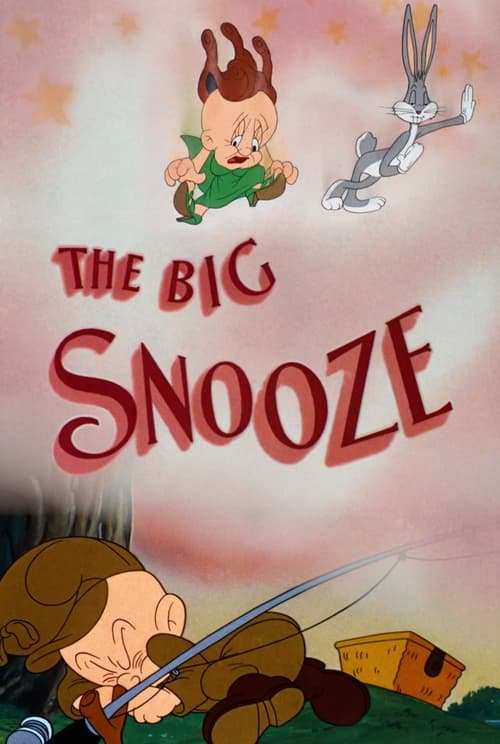
1946

1944
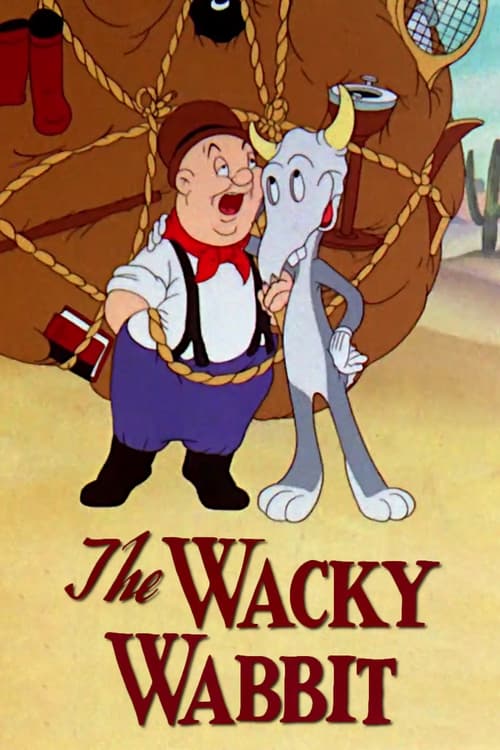
1942
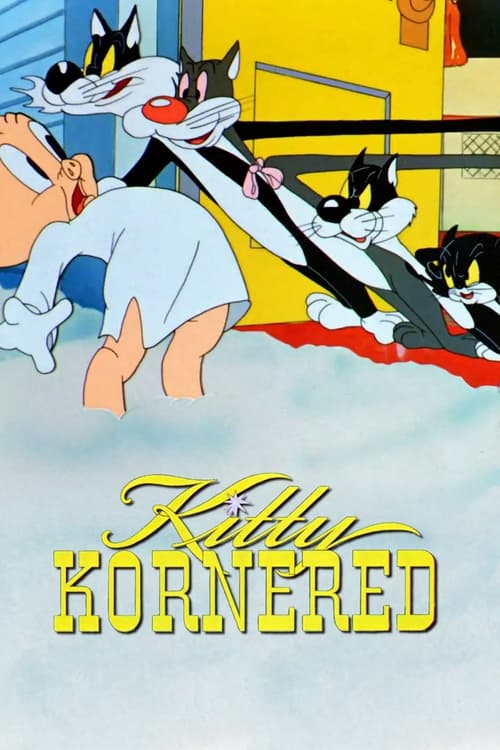
1946
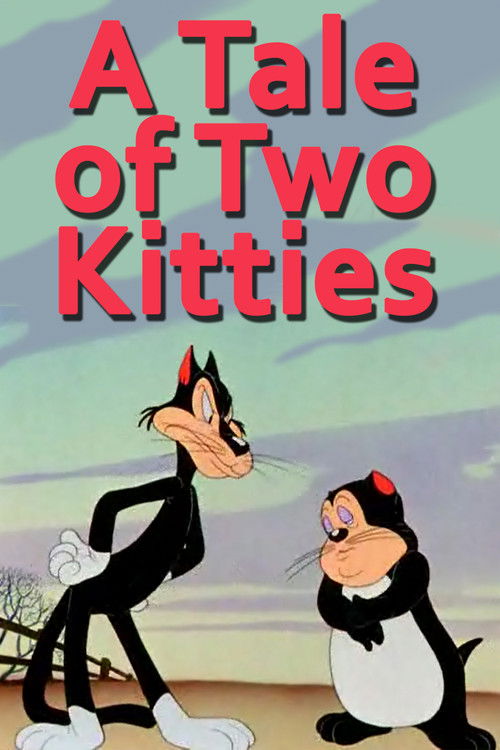
1942

1944
1943
1933
1949

1945
1949
No reviews yet. Be the first to share your thoughts on this movie!
Use the rating form above to leave a star rating and optional review.