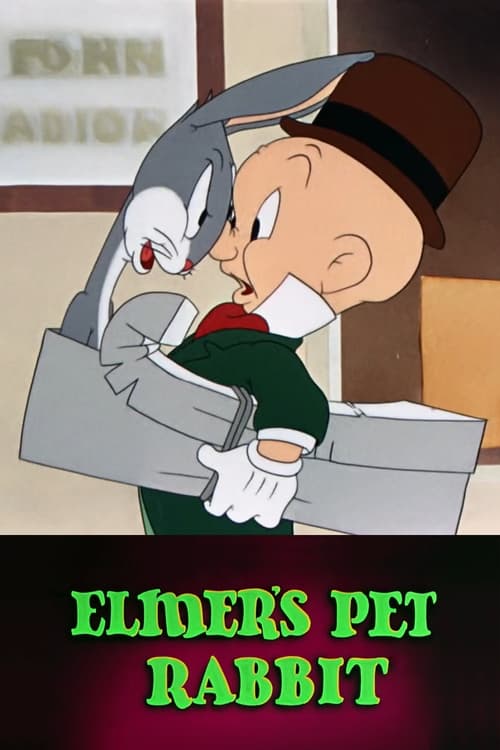
Elmer's Pet Rabbit
1941
No user ratings available yet
Representation score: 0.4 out of 10
Representation Score
Minimal
1946
NRDirector
Robert Clampett
Runtime
7 minutes
Average Rating
No ratings yetNew Showbiz Analysis
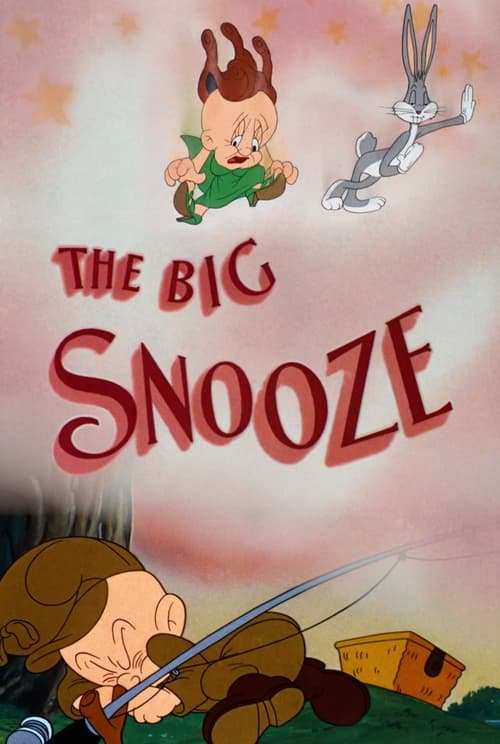
Robert Clampett’s *The Big Snooze* is a technical marvel of surrealist animation that prioritizes visual absurdity and dream logic over social commentary. The story centers on the psychological impact of Bugs Bunny on Elmer Fudd, creating a repetitive conflict that stays away from broader societal issues. Since the film aims to be visually inventive and comically engaging, it doesn’t have the structure to address diverse human experiences. The characters inhabit a generic, surreal world that avoids cultural specifics or detailed identity exploration. Overall, the work is a product of its time, serving as a platform for animation experimentation rather than a tool for social commentary or nuanced character development.
Category Breakdown
The film doesn't include any LGBTQ+ identities or queer themes. The plot revolves around a silly rivalry between two main characters.
The short doesn't explore gender dynamics. It focuses on two male characters without giving much attention to feminine roles or subversions.
The production features a uniform cast of characters typical of its era. There's no attempt to blend different races or ethnicities in the surreal setting.
The film doesn't touch on religious or political themes. It emphasizes visual absurdity over any deeper cultural or moral commentary.
There's no representation of neurodivergence or physical disabilities. The unusual physics in the film are used as part of the animation style rather than exploring real-life experiences.
Present on Screen
Limited or Absent
Official Synopsis
Elmer Fudd walks out of a typical Bugs cartoon, so Bugs gets back at him by disturbing Elmer's sleep using "nightmare paint."
1941
1945
1939
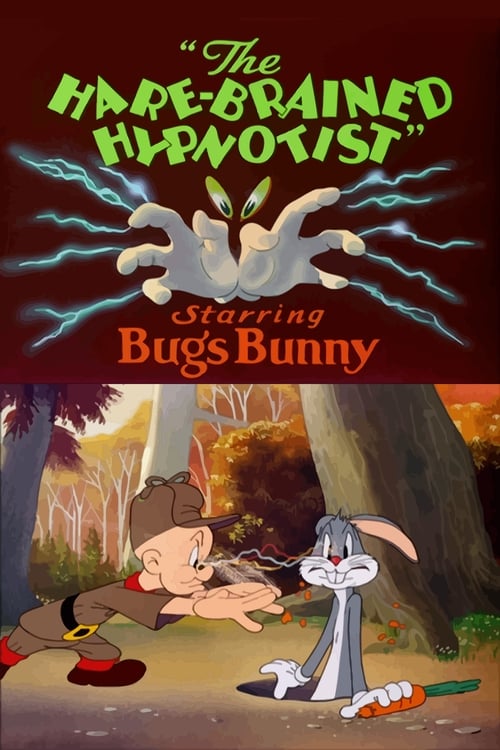
1942
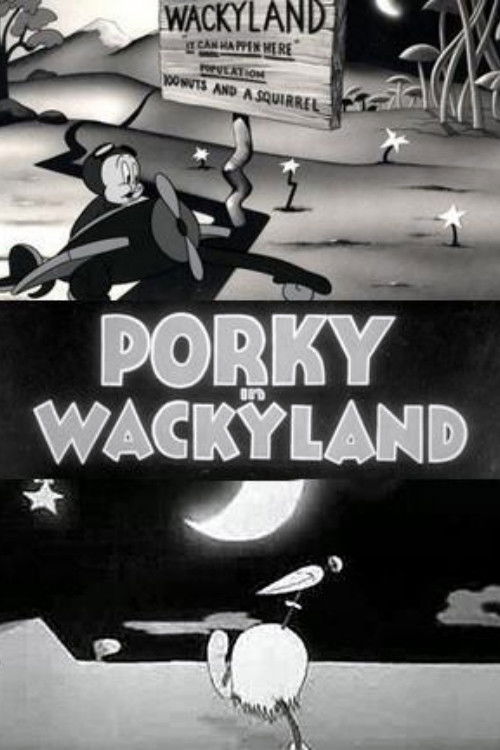
1938
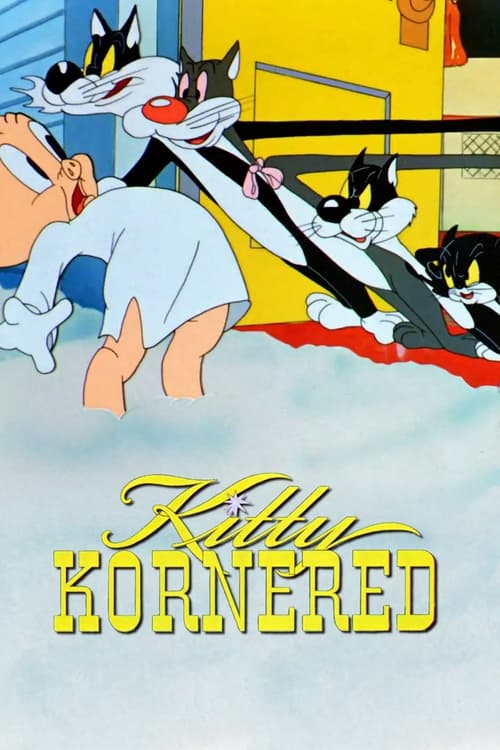
1946
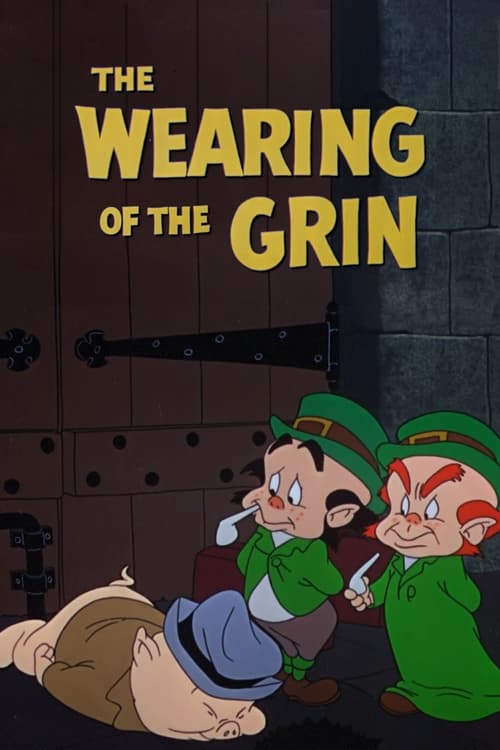
1951
1940
No reviews yet. Be the first to share your thoughts on this movie!
Use the rating form above to leave a star rating and optional review.