
All the Boys Are Called Patrick
1959
No user ratings available yet
Representation score: 4.8 out of 10

Representation Score
Fair
1955
Director
Jean-Luc Godard
Runtime
10 minutes
Average Rating
No ratings yetNew Showbiz Analysis
Jean-Luc Godard’s work challenges established social norms and questions the stability of bourgeois morality. This film specifically uses a woman's actions to disrupt traditional domestic hierarchies and marital expectations. While the film excels in gendered ability to act and systemic critique, it remains limited by the era's cinematic constraints. The lack of racial, ethnic, and LGBTQ+ diversity significantly lowers the overall score. Ultimately, the film is a study of social performance. It succeeds in deconstructing class-based morality but lacks multi-layered breadth.
Category Breakdown
The film focuses on heterosexual relationships and does not include any queer characters or non-cisgender identities.
Agnès plays a strong role in driving the plot by challenging her traditional domestic duties. She uses her intelligence and sexuality to defy the expectations of the upper class.
The film seems to be set in a European context, specifically in Geneva, and does not feature a diverse cast or non-Anglo-Saxon majority.
The film critiques Western bourgeois institutions by presenting moral behavior as a performance rather than a genuine belief. It highlights class-based morality by showing how respectability is maintained through social roles.
There are no characters with visible or invisible disabilities in the film.
Present on Screen
Limited or Absent
Official Synopsis
Agnès, a bourgeois young woman from Geneva, writes a letter to a friend, telling how she ended up cheating on her husband. Fascinated by the attitudes and gestures adopted by a prostitute to attract clients, Agnès decides to imitate her and seduces the first man she sees, sitting on a garden bench.
1959

1961
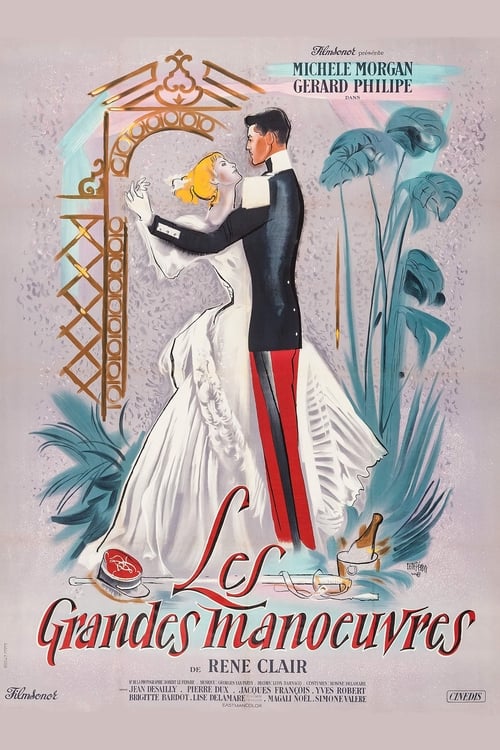
1955
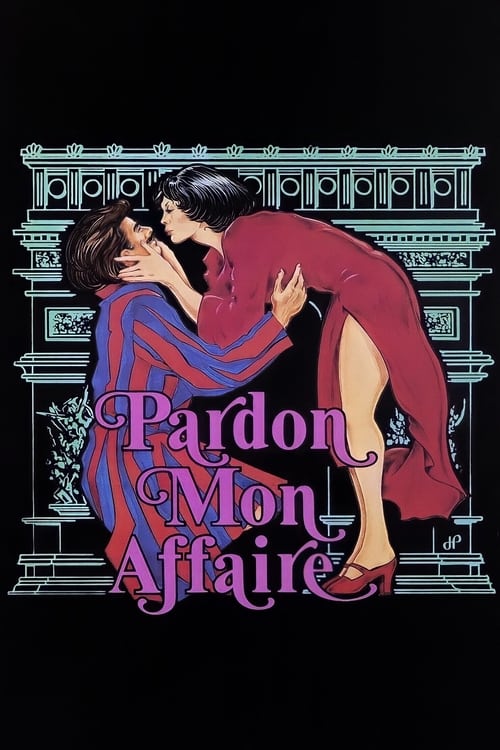
1976
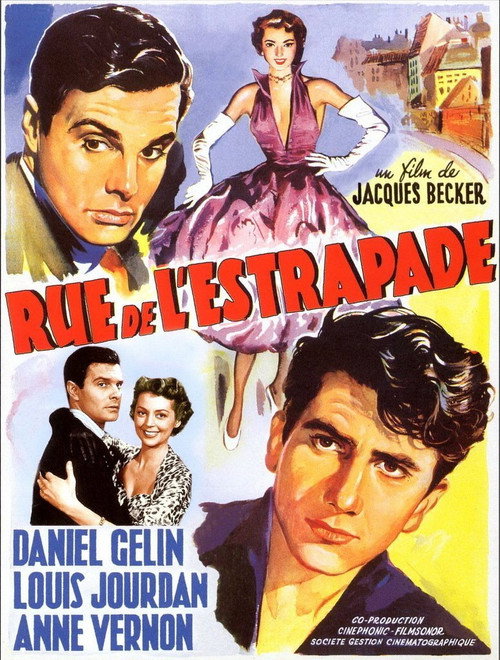
1953

1957
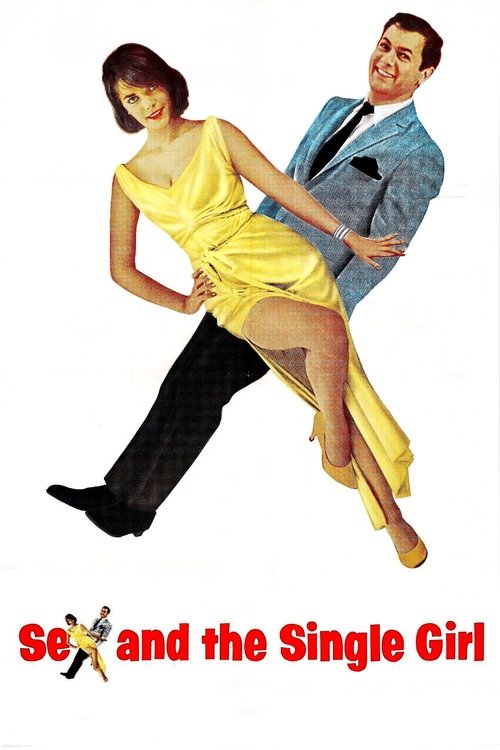
1964

1963
No reviews yet. Be the first to share your thoughts on this movie!
Use the rating form above to leave a star rating and optional review.