
Three Blind Mice
1938
No user ratings available yet
Representation score: 1.8 out of 10
Representation Score
Minimal
1923
NRDirector
Sidney Olcott
Runtime
107 minutes
Average Rating
No ratings yetNew Showbiz Analysis
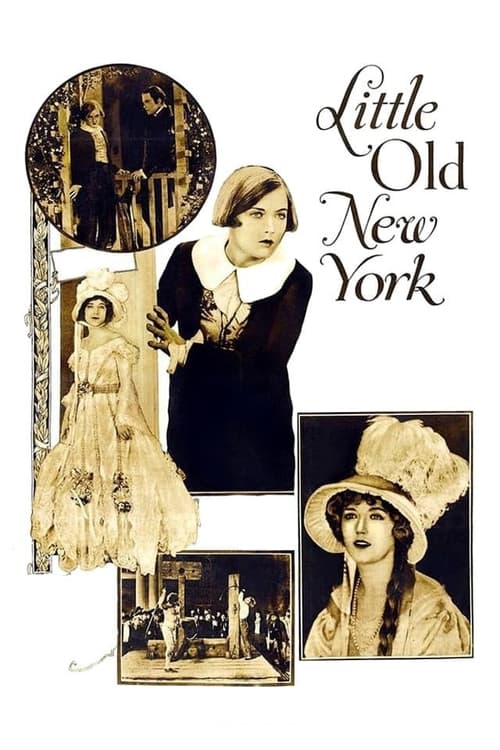
Little Old New York is a traditional romantic comedy that reinforces established social hierarchies. While it uses gender-bending for comedic effect, it lacks depth in addressing multi-layered issues. The film's narrative structure upholds the traditional social order of the 1920s, prioritizing sentimentalism and classic character archetypes over systemic social critique. Ultimately, the film reflects the Eurocentric casting and individualistic storytelling common in early Hollywood, offering little disruption to the status quo.
Category Breakdown
The film does not depict LGBTQ+ identities or same-sex relationships. The protagonist's male disguise is used for humor rather than exploring queer identity.
Gender subversion drives the comedy as the female lead adopts a masculine persona. However, this disruption is temporary and ultimately returns the character to conventional social roles.
The story focuses on a homogeneous Irish setting with no evidence of a multi-ethnic cast or diverse racial identities.
The narrative reinforces early 20th-century Western social norms and capitalist individualism. It upholds the stability of legal and social institutions rather than challenging them.
There are no characters with visible or invisible disabilities. Disability is not utilized as a narrative device within the film.
Present on Screen
Limited or Absent
Official Synopsis
An Irish girl comes to America disguised as a boy to claim a fortune left to her brother who has died.
1938
1926
1916
1942
1943
1928
1925
1934
No reviews yet. Be the first to share your thoughts on this movie!
Use the rating form above to leave a star rating and optional review.