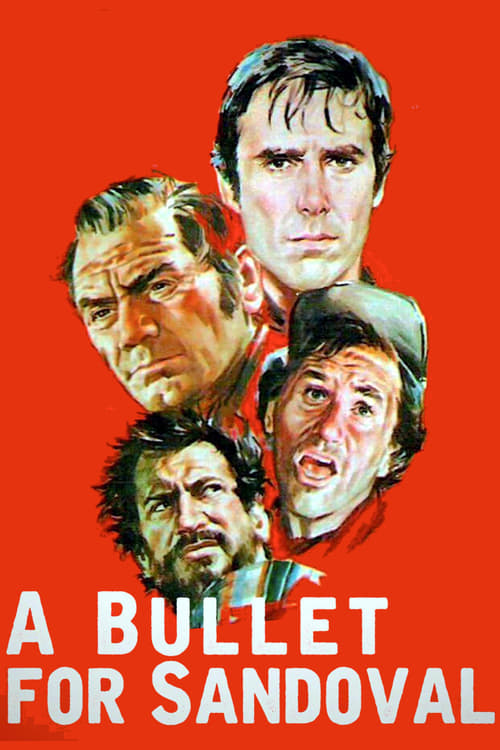
A Bullet for Sandoval
1969
No user ratings available yet
Representation score: 1.2 out of 10
Representation Score
Fair
1967
Not RatedDirector
Carlo Lizzani
Runtime
107 minutes
Average Rating
No ratings yetNew Showbiz Analysis
Kill and Pray uses the Western genre to challenge traditional power structures. By focusing on a Mexican community's trauma, it moves away from the usual Anglo-centric perspective of the genre. The protagonist's internal conflict between pacifism and lethal skills provides psychological depth. However, the film remains confined by the conventions of its time. It lacks LGBTQ+ representation and relies heavily on masculine archetypes. Female characters often function as plot devices rather than primary agents of their own stories.
Category Breakdown
The film follows traditional gender and orientation roles typical of the 1960s. It does not include any non-traditional gender identities or narratives that question the assumption that everyone is straight or cisgender.
The story revolves around masculine archetypes such as survivors, preachers, and soldiers. Although a female character drives the plot, she may end up serving primarily as a catalyst for male actions.
The narrative centers on a Mexican community victimized by Confederate troops. This shifts the focus away from the traditional white hero mythos of the Western genre.
The film delves into moral relativism and criticizes organized, systemic violence. It highlights an individual's struggle to navigate a corrupt social and religious environment.
There are no prominent depictions of physical or neurodivergent disabilities that play central roles or significantly influence the narrative.
Present on Screen
Limited or Absent
Official Synopsis
A Mexican community is slaughtered by Confederate troops; the lone survivor, a boy, is taken in by a preacher. Years later, the boy is now a soft-spoken, devout young man with perfect shooting skills (despite being a pacifist). On his journey to help his half-sister out of a complicated situation, he crosses paths with the men who killed his family, unbeknownst to him.
1969
1967
1976
1966

1995

1958
1970
1966
No reviews yet. Be the first to share your thoughts on this movie!
Use the rating form above to leave a star rating and optional review.