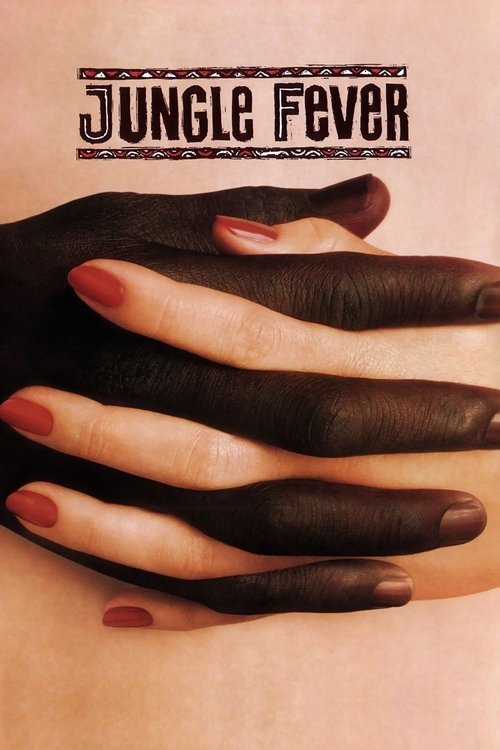
Jungle Fever
1991
No user ratings available yet
Representation score: 5.7 out of 10
Representation Score
Fair
1990
RDirector
Luis Mandoki
Runtime
103 minutes
Average Rating
No ratings yetNew Showbiz Analysis
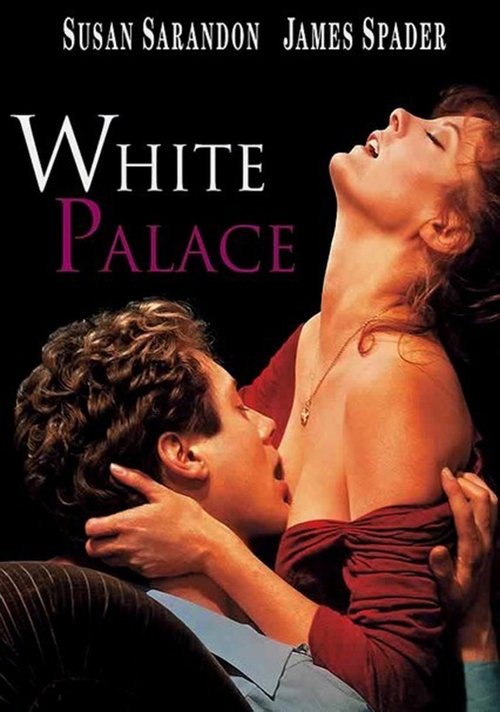
White Palace is a sophisticated exploration of the friction between different social worlds. It disrupts class and racial hierarchies to highlight systemic pressures. The film uses the tension between individual desires and rigid social structures to make its point. While it ignores queer and disability narratives, it finds depth in the contrast between the working-class experience and the superficial nature of the upper-crust lifestyle.
Category Breakdown
The film does not include any LGBTQ+ characters or non-straight relationships. The central romantic storyline stays within traditional heterosexual dynamics.
Nora Baker is shown as a grounded, independent woman who resists upper-class expectations. She avoids the stereotype of a submissive female character by having a strong role in driving the story.
The story focuses on an interracial relationship between a Black woman and a Jewish man. This relationship highlights the exclusionary practices of high-society circles.
The narrative criticizes the capitalist social hierarchy by contrasting the service industry with the corporate elite. It challenges the perceived superiority of professional hierarchies.
There are no prominent depictions of physical or neurodivergent disabilities in the narrative.
Present on Screen
Limited or Absent
Official Synopsis
Max Baron is a Jewish advertising executive in his 20s who's still getting over the death of his wife. Nora Baker is a 40-something diner waitress who enjoys the wilder side of life. Mismatched or not, their attraction is instant and smoldering. With time, however, their class and age differences become an obstacle in their relationship, especially since Max can't keep Nora a secret from his Jewish friends and upper-crust associates forever.
1991

1955

2000
1958
1945
1960

1970
1997
No reviews yet. Be the first to share your thoughts on this movie!
Use the rating form above to leave a star rating and optional review.