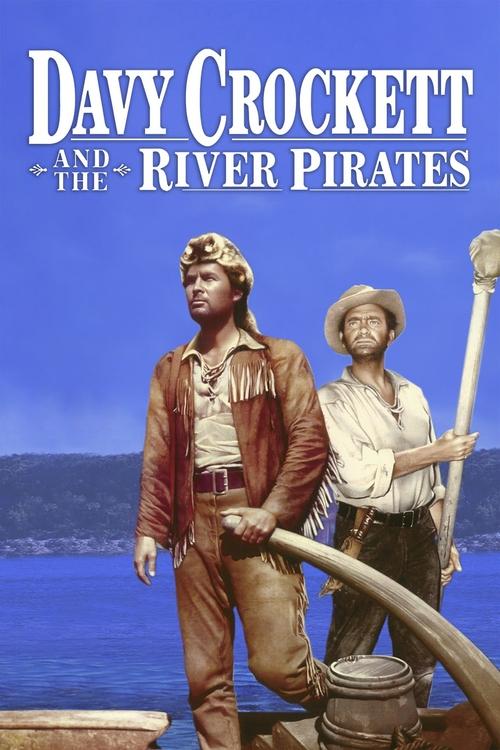
Davy Crockett and the River Pirates
1956
No user ratings available yet
Representation score: 0.3 out of 10

Representation Score
Limited
1954
GDirector
Norman Foster
Runtime
60 minutes
Average Rating
No ratings yetNew Showbiz Analysis
The film opens on a frontier cabin where Davy Crockett sharpens a knife, establishing a world where physical readiness is moral clarity. Fess Parker’s Crockett is the archetypal American hero: handsome, square-jawed, and perpetually vigilant. The camera loves him, framing him in heroic low angles that equate his physicality with virtue. His wife, Polly, is the domestic prize, her patience and support the backdrop against which his competence shines. The conflict is with Native Americans, portrayed through the "noble savage" trope of Redstick, played by Pat Hogan in heavy brownface. Redstick is wise but subordinate, his wisdom filtered through Crockett’s acceptance. The film’s argument is that the frontier was a space where individual white male virtue could impose order on chaos. Crockett never pays for the violence he inflicts; his actions are always justified by the "threat" of the other. The last image shows Crockett atop a ridge, looking out over the landscape he has "tamed." This panoramic view is the moral verdict: violence, when led by a "decent" white man, results in safety and order. The film sells a vision of the past where hierarchy is natural and unchallenged, with white men as the agents of history and Native Americans as the obstacles to be managed. It is a polished, traditional narrative that treats conquest as a noble process, rewarding the hero with the land and the last word.
Category Breakdown
Romantic ties remain strictly heterosexual. No same-sex intimacy or non-heteronormative identity appears in this 1954 frontier narrative.
Polly anchors the domestic sphere, providing emotional stability while Crockett handles external threats. Men occupy public action; women remain the private reward.
Pat Hogan plays Redstick in heavy brownface, embodying the 'noble' Native American who validates Crockett’s authority. White men drive history; Native characters serve as obstacles or lessons.
The frontier is a space where individual white male virtue imposes order on chaos. General Jackson is a dignified statesman, and violence is justified by the 'threat' of the other.
No characters display significant physical or cognitive impairments. George Russel’s slight heaviness is a comic trait, not a disabled life.
Present on Screen
Limited or Absent
Official Synopsis
Davy Crockett seeks a truce with his Indian foes.
1956
1955
1960
1965
1991
1964

1954

1950
No reviews yet. Be the first to share your thoughts on this movie!
Use the rating form above to leave a star rating and optional review.