
Black Fox
1995
No user ratings available yet
Representation score: 2.7 out of 10
Representation Score
Minimal
1991
Director
Kevin James Dobson
Runtime
88 minutes
Average Rating
No ratings yetNew Showbiz Analysis
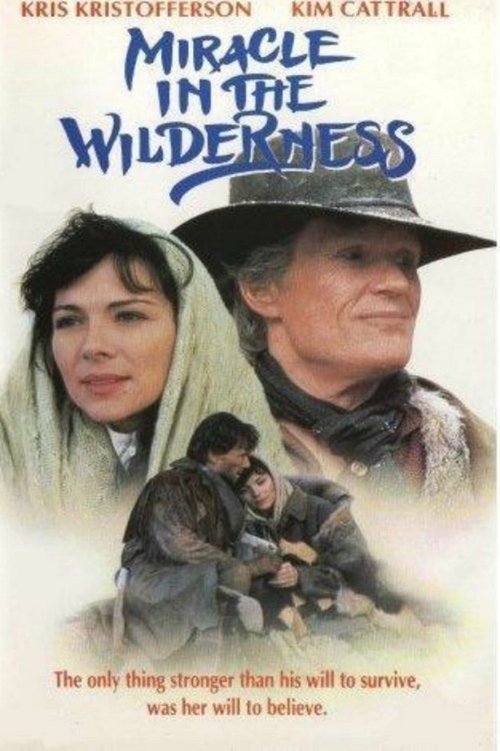
Miracle in the Wilderness is a traditionalist Western that prioritizes the preservation of conventional values and religious orthodoxy. The narrative structure supports established social hierarchies rather than challenging them. The film centers on a white pioneer family, using Indigenous characters primarily as a backdrop for the settlers' journey. This approach reinforces historical storytelling clichés without offering substantial influence to characters of color. Gender roles are strictly defined by patriarchal structures, and the cultural emphasis remains heavily on Christian morality. The work serves to reinforce Western expansion and traditional social order.
Category Breakdown
The film operates within a strictly straight-centered framework. There are no depictions of same-sex intimacy or non-traditional gender identities.
Masculinity is portrayed as the provider and protector. Femininity is confined to domestic and spiritual roles, reinforcing 19th-century patriarchal structures.
The narrative focuses on the white settler experience. Indigenous characters appear to support the central white protagonists' journey, lacking significant influence.
The film emphasizes Christian morality and divine providence as key stabilizers. It upholds Western institutional values and the sanctity of the traditional family.
There are no prominent depictions of physical or neurodivergent disabilities. Characters with disabilities are not shown driving the narrative or having significant influence.
Present on Screen
Limited or Absent
Official Synopsis
While being pursued by the U.S. Cavalry, Indians and the white family they have kidnapped learn about each other.
1995

1950
1991
1960
1971
1960
1987
1961
No reviews yet. Be the first to share your thoughts on this movie!
Use the rating form above to leave a star rating and optional review.