Life Triumphs
1977
No user ratings available yet
Representation score: 4.0 out of 10
Representation Score
Good
1988
Director
Don Askarian
Runtime
96 minutes
Average Rating
No ratings yetNew Showbiz Analysis
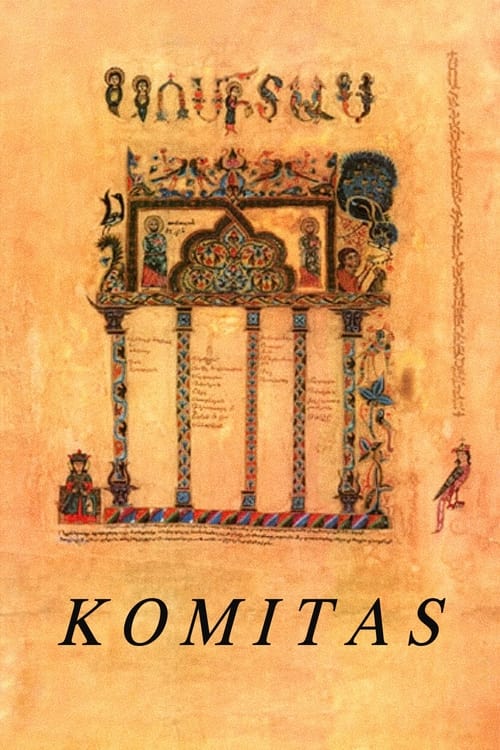
Komitas (1988) is a powerful film that centers the Armenian experience amidst historical violence. It emphasizes the memory and ability to act of a underrepresented group while exploring the intersection of artistic genius and systemic trauma. However, the film lacks diversity in other areas, focusing primarily on a male religious figure and not including LGBTQ+ narratives or broader gender representation.
Category Breakdown
The film focuses on the biographical and spiritual life of a religious figure. There are no LGBTQ+ characters or narratives addressing non-straight relationships.
The story centers around a male historical figure. It does not include women's ability to drive the story or challenge traditional gender roles.
The film highlights the experiences and memories of the Armenian people, emphasizing their ability to act and challenging a Western-centric historical perspective.
The film explores the systemic destruction of Armenian culture, presenting it as a critique of power dynamics and a catastrophic failure of humanity.
The narrative addresses the psychological trauma experienced by Komitas, providing insight into neurodivergence and mental health.
Present on Screen
Limited or Absent
Official Synopsis
The film is dedicated to the Armenian monk and genius composer Komitas, and the 2 million victims on his people in Turkey in 1915. The final 20 years of Komitas life were spent in various mental hospitals. The destiny of Komitas? This is the magic beauty of Armenian culture and the abhorrent brutality of Armenian history. A cultural and artistic world that was slaughtered with a curved knife. A humanity that doggedly advances towards an apocalyptic catastrophe, that does not recognize its own original purpose, eradicates its own memory, its final roots.
1977

1969

2014
2014
2002

1982

2007

2015
No reviews yet. Be the first to share your thoughts on this movie!
Use the rating form above to leave a star rating and optional review.