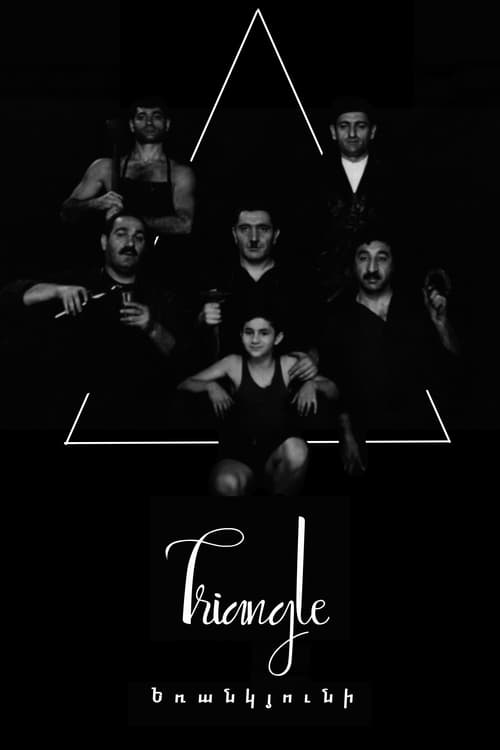
Triangle
1967
No user ratings available yet
Representation score: 5.5 out of 10
Representation Score
Limited
1977
Director
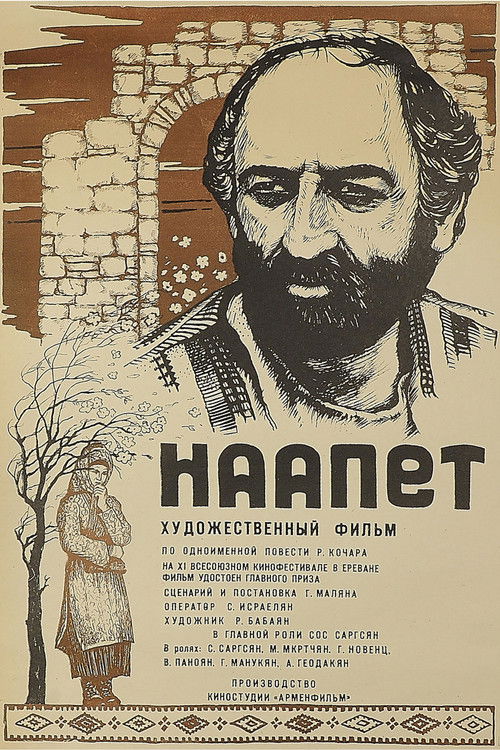
Henrik Malyan
Runtime
95 minutes
Average Rating
No ratings yetNew Showbiz Analysis
Life Triumphs is a compelling ethnic narrative centered on the resilience of the Armenian people. By focusing on the 1915 Genocide, the film offers a crucial perspective on cultural memory and ethnic pride. However, the film follows a traditional dramatic structure. It lacks contemporary markers like LGBTQ+ or neurodivergent representation and leans on conventional male archetypes for its protagonist. Overall, the film's strength lies in its ability to challenge Western-centric historical narratives, providing a deep look at survival against systemic erasure.
Category Breakdown
The film does not include any LGBTQ+ characters or stories about non-straight relationships. The main focus is on the protagonist's survival and preserving his family heritage.
The story centers around a determined man using traditional male leadership roles. While survival themes might hint at complex gender dynamics, the role of women is not clearly defined.
The film emphasizes the importance of Armenian identity and the experiences of a underrepresented group. It challenges Eurocentric history by highlighting the 1915 Genocide.
The film explores themes of cultural endurance and resistance against oppression. It highlights the revival of a culture that faced attempted destruction.
There are no characters with physical or neurological disabilities in the film.
Present on Screen
Limited or Absent
Official Synopsis
Story of a strong-willed man, Nahapet, who lost his family during the 1915 Genocide is an eternal story of resurrection.
1967
1982
1990
2010
1988
2020
2015
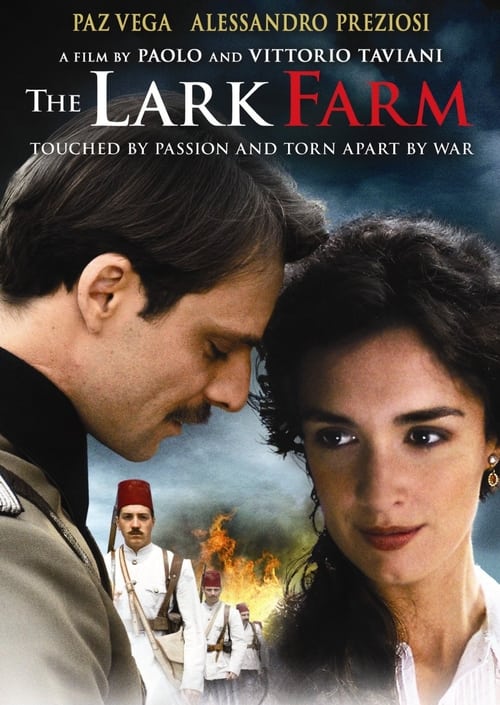
2007
No reviews yet. Be the first to share your thoughts on this movie!
Use the rating form above to leave a star rating and optional review.