Triumph of the Spirit
1989
No user ratings available yet
Diversity score: 5.7 out of 10
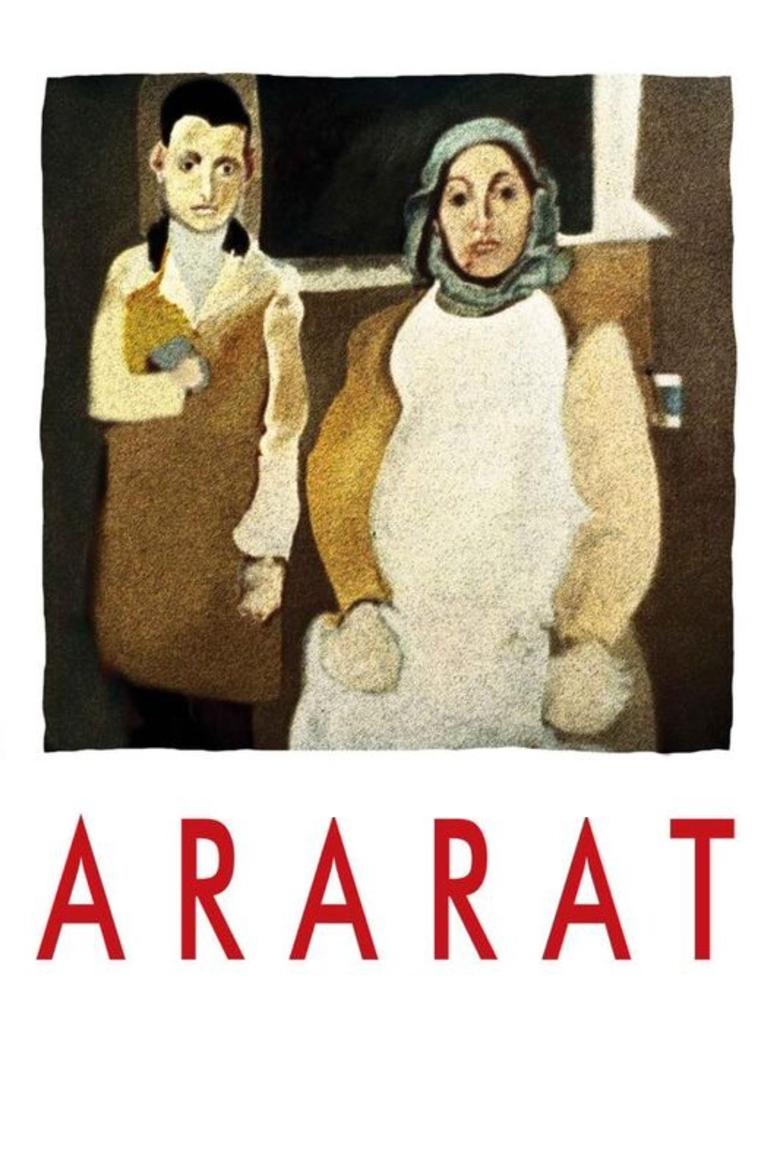
2002
RDirector
Atom Egoyan
Runtime
115 minutes
Average Rating
No ratings yetSynopsis
Interrogated by a customs officer, a young man recounts how his life was changed during the making of a film about the Armenian genocide.
Overall Score
Good
Category Breakdown
LGBTQ+ Representation
The film operates within a traditional framework regarding sexual orientation. It does not center on queer identities or non-heteronormative romantic structures.
Gender Representation
Female characters possess significant agency, particularly through the exploration of maternal bonds and historical legacies. The film avoids simplistic gender hierarchies by focusing on psychological fragmentation.
Racial & Ethnic Diversity
The narrative provides a profound look at the Armenian diaspora and ethnic identity. It centers a non-Anglo-Saxon experience to challenge Western-centric historical narratives.
Religious & Cultural Diversity
The story engages deeply with post-colonial themes and the politics of memory. It portrays the struggle for cultural recognition as a vital act of resistance against historical erasure.
Disability Representation
The film offers a nuanced portrayal of psychological distress and the invisible impact of trauma. However, it lacks characters with overt physical disabilities.
Strengths
Areas for Improvement
AI Analysis
Atom Egoyan’s *Ararat* is a sophisticated, meta-fictional exploration of how historical truth is constructed. Its primary strength lies in its rigorous engagement with the Armenian diaspora, using the genocide as a central driver for character agency and psychological depth. This provides a powerful critique of Western-centric historiography. While the film excels in ethnic and cultural representation, it remains limited in other areas. It lacks explicit engagement with LGBTQ+ identities and does not utilize disability as a specific tool for social commentary. The narrative focuses more on the psychological weight of trauma than on diverse social identities. Ultimately, the film is a significant intellectual work. It succeeds by centering marginalized cultural memories and challenging institutional narratives, even if it stays within traditional bounds regarding gender and orientation.
1989

2017

1990

2008
2012

2013
No reviews yet. Be the first to share your thoughts on this movie!
Use the rating form above to leave a star rating and optional review.