Living on Love
1937
No user ratings available yet
Representation score: 0.8 out of 10
Representation Score
Minimal
1937
PassedDirector
Ray McCarey
Runtime
67 minutes
Average Rating
No ratings yetNew Showbiz Analysis
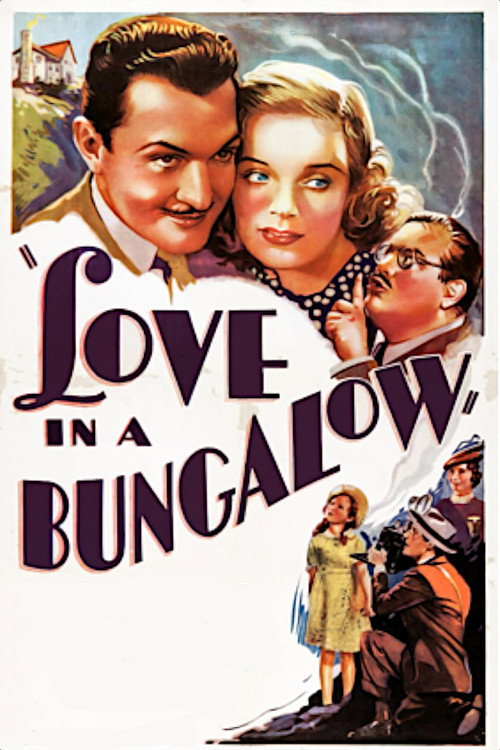
Love in a Bungalow is a product of the 1930s studio system, adhering strictly to the conventional social norms of its era. The narrative structure relies on traditional romantic clichés to move the plot forward. The film reinforces established domestic and gender norms without challenging them. While the inclusion of Louise Beavers offers some racial visibility, the film lacks the depth needed for a more progressive score. Ultimately, the film serves as a typical romantic comedy reflecting the social frameworks of its time, prioritizing conventional courtship and mass media engagement over social critique.
Category Breakdown
The story revolves around a heterosexual misunderstanding, with no queer narratives or non-binary gender identities represented.
The movie follows typical romantic comedy structures. While the female lead plays a significant role, the plot adheres to traditional mid-century gender roles and romantic pairings.
Louise Beavers appears in the main cast, offering racial visibility. However, the film likely relies on period-specific archetypes rather than deep character development.
The narrative is rooted in 1930s Western social norms, focusing on domestic life and courtship without questioning contemporary institutions or values.
There are no characters with visible or invisible disabilities central to the story.
Present on Screen
Limited or Absent
Official Synopsis
A radio contest brings together a woman renting a bungalow, and her squatter. Version of Hi, Beautiful! (1944), both from the story "Be It Ever So Humble," by Eleanore Griffin and William Rankin.
1937
1940
1933
1934
1936
1937
1937
1942
No reviews yet. Be the first to share your thoughts on this movie!
Use the rating form above to leave a star rating and optional review.