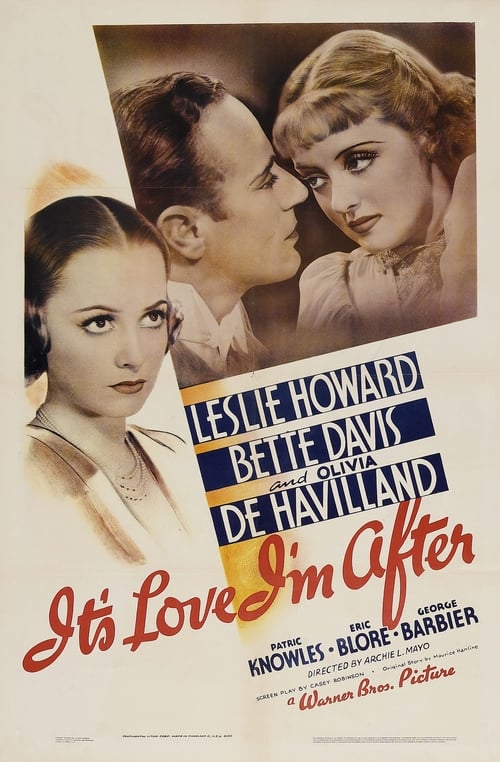
It's Love I'm After
1937
No user ratings available yet
Representation score: 0.4 out of 10
Representation Score
Minimal
1936
NRDirector
George Fitzmaurice
Runtime
81 minutes
Average Rating
No ratings yetNew Showbiz Analysis
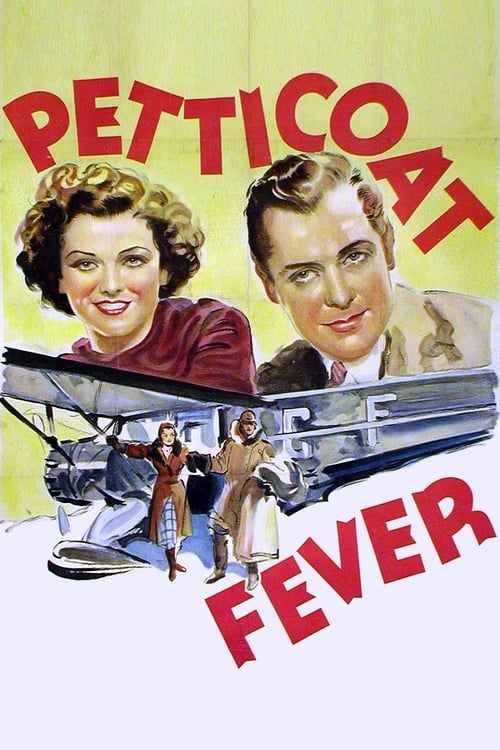
Petticoat Fever reflects the traditional norms of the 1930s studio system. It operates entirely within the established social and gender hierarchies of its time, offering minimal disruption to traditional norms. The film's narrow focus centers on a conventional romantic pursuit, reinforcing traditional courtship. This lack of variety extends to the casting and the absence of any non-traditional identities, reflecting the era's limited scope. Overall, the film provides a traditional viewing experience that prioritizes romantic stability over social or cultural diversity.
Category Breakdown
The film strictly follows the societal norms of 1936, where everyone is assumed to be straight and cisgender. There is no depiction of LGBTQ+ identities or non-binary gender expressions.
The female lead showcases musical talent and plays a significant role in the story, but the narrative focuses on traditional romance. The film upholds the conventional 1930s portrayal of femininity without challenging it.
The film features a homogeneous cast typical of mid-1930s productions. There are no significant non-white characters or racial blending in the narrative.
The story promotes traditional social stability and romantic ideals. It emphasizes conventional social structures and romantic pairings without deconstructing Western institutions.
There are no depictions of physical or neurodevelopmental disabilities. Characters exist within a standard, able-bodied social framework throughout the film.
Present on Screen
Limited or Absent
Official Synopsis
A lonely radio operator in Labrador falls for an engaged woman.
1937
1934
1936
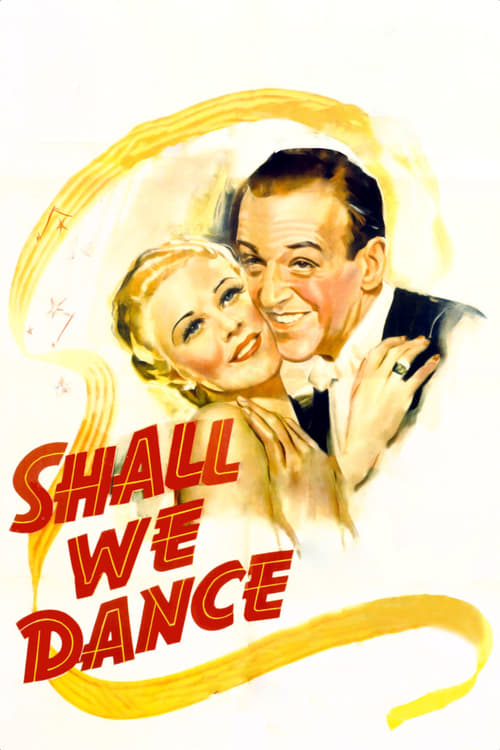
1937
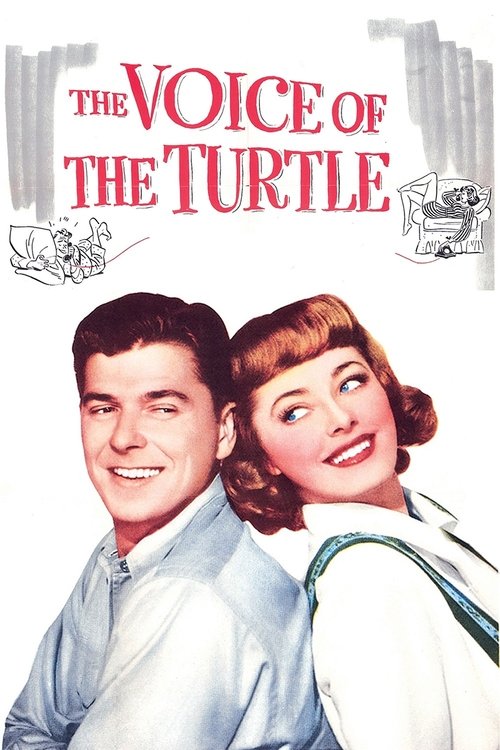
1947
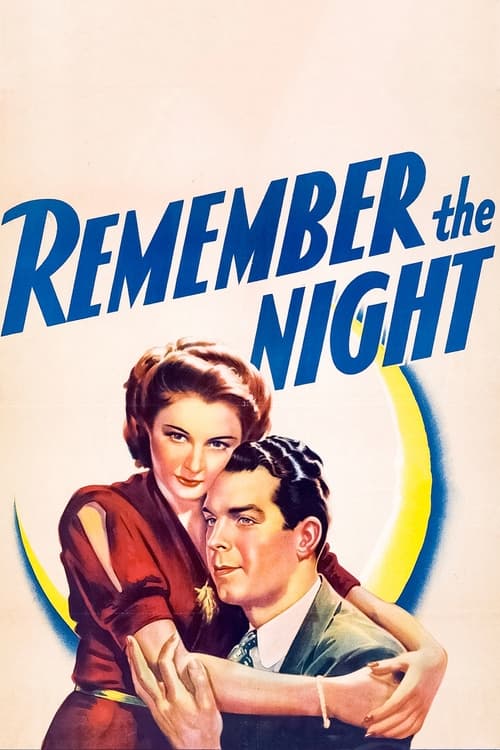
1940
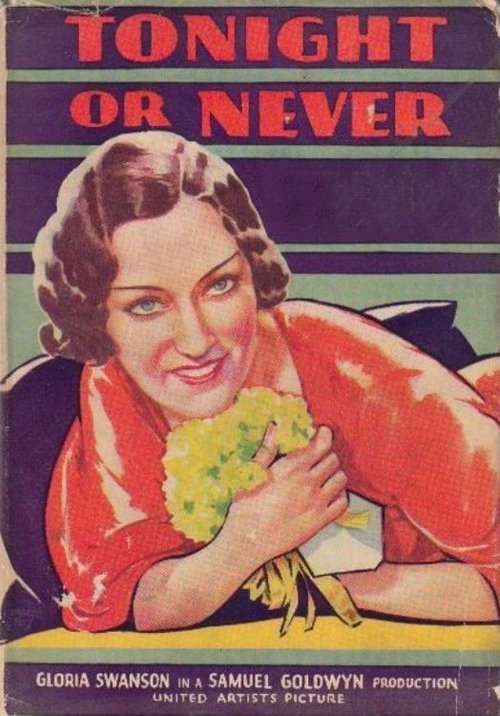
1931

1928
No reviews yet. Be the first to share your thoughts on this movie!
Use the rating form above to leave a star rating and optional review.