Ladies Should Listen
1934
No user ratings available yet
Diversity score: 3.3 out of 10
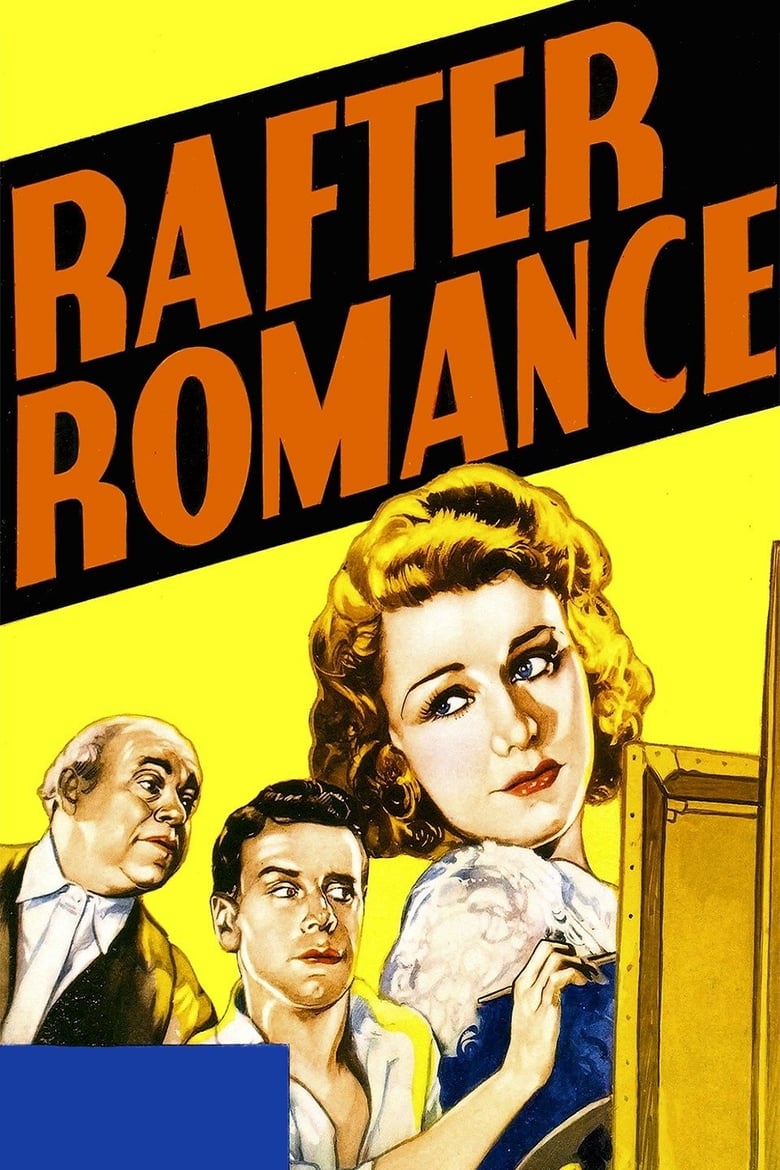
1933
NRDirector
William A. Seiter
Runtime
73 minutes
Average Rating
No ratings yetSynopsis
A working girl shares her apartment with an artist, taking the place in shifts.
Overall Score
Limited
Category Breakdown
LGBTQ+ Representation
The film follows a conventional heterosexual romantic arc. There is no presence of same-sex intimacy or non-cisnormative identities.
Gender Representation
Ginger Rogers provides a departure from submissive archetypes through her resourceful and independent character. She demonstrates significant agency while navigating a precarious living situation.
Racial & Ethnic Diversity
The production features a homogeneous cast typical of 1930s romantic comedies. It lacks diverse casting or race-bending to disrupt the era's social norms.
Religious & Cultural Diversity
The story explores socioeconomic instability through a bohemian lifestyle. While it depicts characters living outside traditional housing, it lacks an explicit political or anti-institutional framework.
Disability Representation
There are no depictions of physical disabilities or neurodivergence within the character arcs.
Strengths
Areas for Improvement
AI Analysis
Rafter Romance succeeds in elevating the female lead, moving away from the passive romantic interests common in early studio cinema. Ginger Rogers' character offers a refreshing sense of independence and resourcefulness. However, the film is limited by the demographic standards of 1933. The cast is overwhelmingly homogeneous, and the narrative lacks any representation of LGBTQ+ identities or disability. Ultimately, while the film disrupts traditional domesticity through its depiction of transient living, it remains a product of its era with minimal intersectional depth.
1934
1943

1942

1937

1932

1941

1934

1943

1933
1938

1929

1932
No reviews yet. Be the first to share your thoughts on this movie!
Use the rating form above to leave a star rating and optional review.