My Good Hans
2015
No user ratings available yet
Representation score: 4.0 out of 10
Representation Score
Fair
2002
PG-13Director
Aleksandr Rogozhkin
Runtime
100 minutes
Average Rating
No ratings yetNew Showbiz Analysis
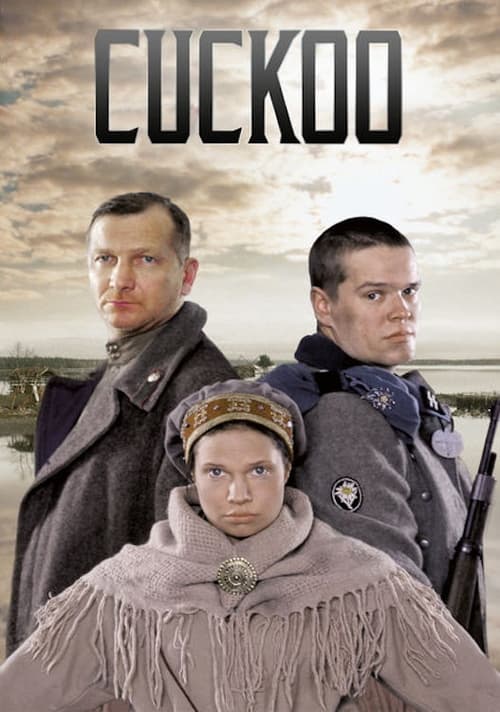
The Cuckoo stands out by breaking down the rigid structures of the Second World War. By highlighting an indigenous Lapp woman, the film moves beyond the usual Slavic and Finnish wartime binaries to explore a deeper human truth. The film’s strongest point is its subversion of traditional gender roles. Rather than male soldiers driving the action, the female protagonist holds all the power, acting as the judge of justice and survival. However, the film does not include any representation of LGBTQ+ identities or disabilities. Its impact is primarily focused on gender, ethnicity, and the critique of state-driven nationalism.
Category Breakdown
The film does not include any LGBTQ+ characters or narratives. The story centers around the interactions between the three main figures.
Anni challenges wartime stereotypes by taking on the role of primary provider and protector. The male characters become vulnerable and dependent, shifting the story's focus to the female lead.
By focusing on a Lapp woman, the film offers a perspective outside the typical Soviet and Finnish wartime binaries. This indigenous identity serves as the moral backbone of the story.
The narrative questions institutional authority by emphasizing individual morality over state mandates. It examines secular humanism through the lens of human dignity versus nationalism.
There is no depiction of characters dealing with visible or invisible disabilities as central plot drivers.
Present on Screen
Limited or Absent
Official Synopsis
September of 1944, a few days before Finland went out of the Second World War. A chained to a rock Finnish sniper-kamikadze Veikko managed to set himself free. Ivan, a captain of the Soviet Army, arrested by the Front Secret Police 'Smersh', has a narrow escape. They are soldiers of the two enemy armies. A Lapp woman Anni gives a shelter to both of them at her farm. For Anni they are not enemies, but just men.
2015
1977
2015
2021
2010

2007
1976

2005
No reviews yet. Be the first to share your thoughts on this movie!
Use the rating form above to leave a star rating and optional review.