The Mark of Cain
1947
No user ratings available yet
Representation score: 0.4 out of 10
Representation Score
Minimal
1946
ApprovedDirector
Léonide Moguy
Runtime
85 minutes
Average Rating
No ratings yetNew Showbiz Analysis
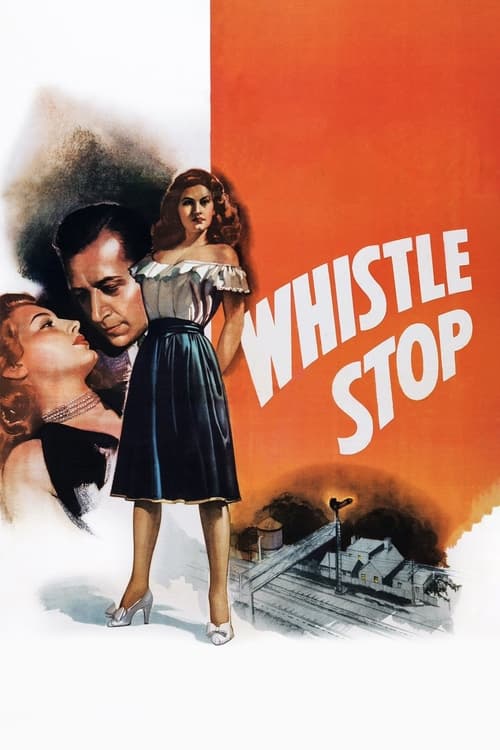
Whistle Stop is a product of its 1946 production context, functioning as a typical mid-century crime drama. It emphasizes psychological realism and individual morality rather than broader social critiques. The film adheres to the traditional cinematic structures of the post-war era. It does not have the intention to disrupt established gender, racial, or orientation-based power dynamics. While the female lead propels the plot, the narrative remains anchored in conventional clichés where male conflict and aggression dominate the storyline.
Category Breakdown
The film does not include any LGBTQ+ characters or stories. The main conflict focuses on a heterosexual rivalry between two men, reinforcing the era's traditional views on relationships.
Mary is the central character and drives the plot forward. However, her role is limited, as she mainly serves as a focal point for conflicts between male characters.
The town setting suggests a lack of diversity. The film seems to follow the era's norm of depicting a predominantly white, Anglo-Saxon community.
The story follows traditional crime drama conventions centered on individual morality. It does not offer any critique of Western institutions or diverse cultural perspectives.
There is no representation of physical or neurodivergent disabilities in the film.
Present on Screen
Limited or Absent
Official Synopsis
When beautiful Mary returns to her "whistle stop" hometown, long-standing feelings of animosity between two of her old boyfriends leads to robbery and murder.
1947
1950
1947
1943

1941

1949
1958
1945
No reviews yet. Be the first to share your thoughts on this movie!
Use the rating form above to leave a star rating and optional review.