Nightmare in the Sun
1965
No user ratings available yet
Representation score: 1.4 out of 10
Representation Score
Limited
1957
ApprovedDirector
Jack Arnold
Runtime
93 minutes
Average Rating
No ratings yetNew Showbiz Analysis
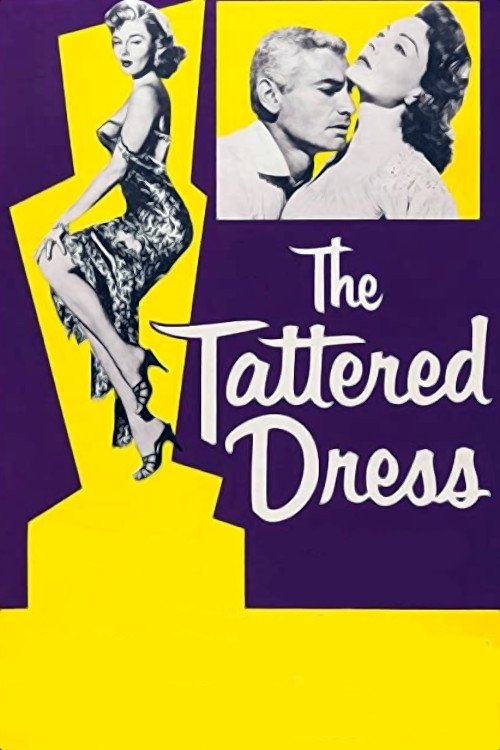
The Tattered Dress follows the conventions of a mid-century crime drama, sticking to the social and moral norms of 1957. It relies on well-known genre clichés rather than challenging them. While the film delves into themes of social hostility and the fragility of marriage, it lacks complexity in addressing multiple aspects of diversity. The narrative structure focuses on traditional power dynamics and gendered morality. Overall, the film reflects the era's tendency towards Anglo-centric casting and limited female roles, offering little in terms of progressive representation.
Category Breakdown
The film doesn't show any non-straight relationships or intimate moments between same-sex partners. It focuses on marital infidelity, which reinforces traditional assumptions about relationships.
Charleen Reston is portrayed through a vulnerable and sexualized image, a common portrayal from the mid-20th century. The story revolves around the consequences of her actions, reinforcing traditional gender roles.
The story seems centered around a single ethnic group, typical of 1950s crime dramas. There are no characters of color or diverse backgrounds with significant roles.
The film criticizes local authority and small-town politics through the Sheriff's hostility. However, it stays within the traditional crime-drama morality without broader institutional critique.
There is no mention of characters with physical, sensory, or neurodivergent disabilities. No representation in this category exists in the film.
Present on Screen
Limited or Absent
Official Synopsis
After a wild night, wealthy Michael Reston's adulterous wife Charleen comes home with her dress in rags; murder results. Top New York defense lawyer J.G. Blane, whose own marriage exists in name only, arrives in Desert View, Nevada to find the townsfolk and politically powerful Sheriff Hoak distinctly hostile to the Restons. In due course, Blane discovers he's been "taken for a ride," and that quiet desert communities can be deadly.
1965
1950

1957
1955
1951
1943
1958
1946
No reviews yet. Be the first to share your thoughts on this movie!
Use the rating form above to leave a star rating and optional review.