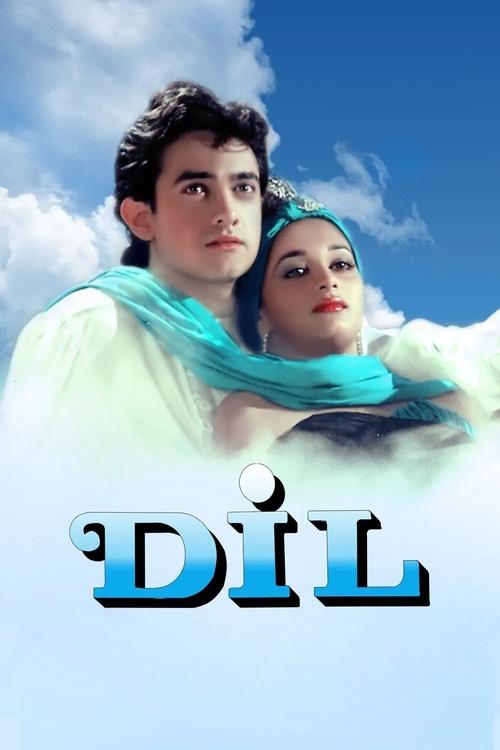
Dil
1990
No user ratings available yet
Representation score: 2.7 out of 10
Representation Score
Fair
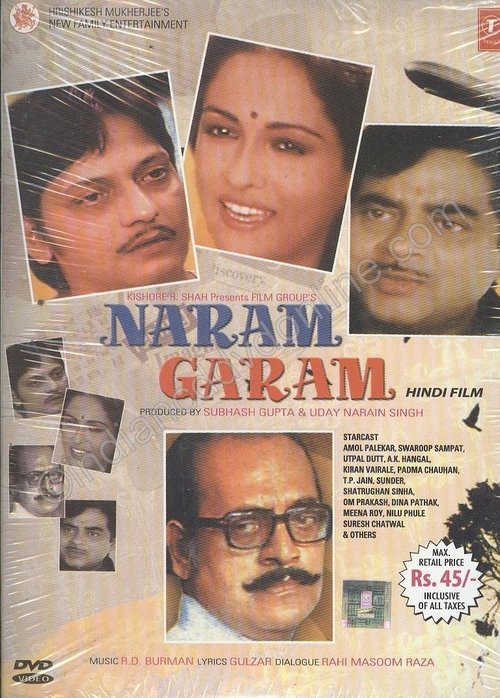
1981
Not RatedDirector
Hrishikesh Mukherjee
Runtime
133 minutes
Average Rating
No ratings yetNew Showbiz Analysis
Hrishikesh Mukherjee’s work is a key example of social realist cinema, offering a profound examination of the socio-political landscape in 1980s India. The film excels at depicting the tension between individual ideals and systemic corruption, providing an authentic glimpse into the middle-class experience. However, the film is constrained by the conventions of its era. It lacks contemporary markers of diversity, particularly regarding LGBTQ+ and neurodivergent representation, and upholds a traditional gender hierarchy where female roles are secondary to male protagonists. Overall, the film is a culturally grounded critique of state power and institutional indifference. While it does not fully embrace contemporary diversity, its strength lies in its authentic portrayal of the post-colonial struggle.
Category Breakdown
The film adheres to the societal norms of early 1980s India and does not include LGBTQ+ characters or explore non-traditional gender identities.
The narrative emphasizes male-centric themes and political action. Female characters are primarily involved in domestic or romantic situations rather than driving the main conflicts.
The film showcases a culturally unified South Asian cast that offers an authentic and detailed depiction of urban Indian life. It provides a nuanced look at the social dynamics of the time.
The story critiques post-colonial institutions and systemic corruption, focusing on the challenges faced by the middle and lower-middle classes against established power structures.
The film does not prominently feature characters with visible or invisible disabilities as central figures. The narrative centers on socioeconomic and political issues.
Present on Screen
Limited or Absent
Official Synopsis
An impoverished employee tries to prevent his superiors and employers from marrying his sweetheart.
1990
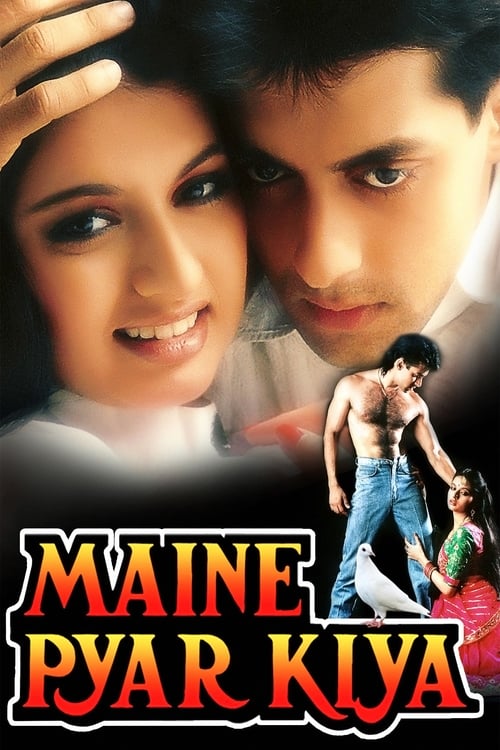
1989
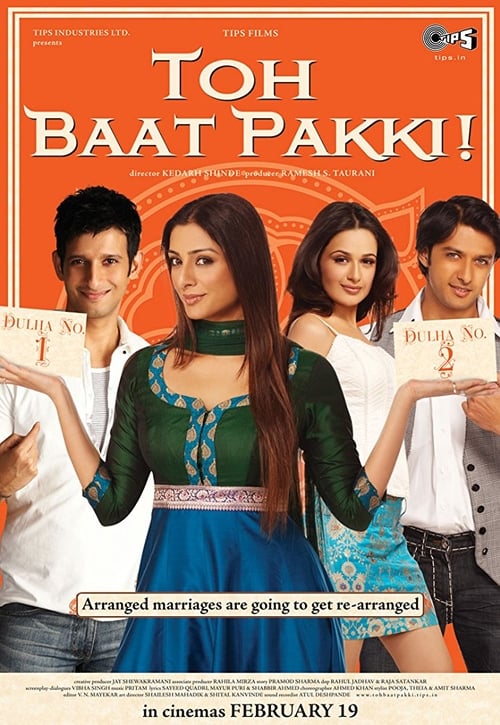
2010
1953
1972
1984
1974
1991
No reviews yet. Be the first to share your thoughts on this movie!
Use the rating form above to leave a star rating and optional review.