
Kabuliwala
1993
No user ratings available yet
Representation score: 2.7 out of 10
Representation Score
Minimal
1989
Not RatedDirector
Siddique, Lal
Runtime
150 minutes
Average Rating
No ratings yetNew Showbiz Analysis
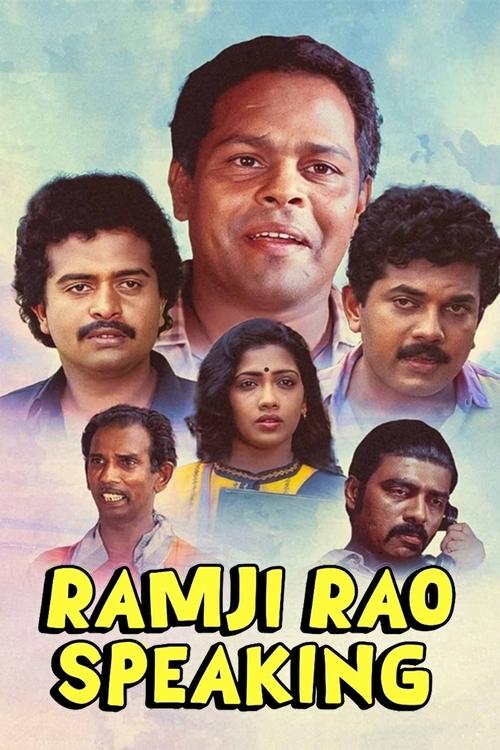
Ramji Rao Speaking is a typical example of late-20th-century regional filmmaking that emphasizes situational comedy and ensemble dynamics. While it captures the economic anxieties of its time, the storytelling relies heavily on traditional social hierarchies. The film centers on male-centric experiences, particularly the struggles of unemployment. This focus, along with a lack of diverse representation, keeps the narrative within conventional boundaries. Ultimately, the film offers an authentic cultural snapshot of Kerala but does not include progressive elements to challenge established norms.
Category Breakdown
The film does not include any LGBTQ+ characters and follows traditional gender and orientation norms.
The story focuses on male protagonists and a patriarchal structure. Female characters are mostly confined to domestic or romantic roles without much independence.
The cast reflects a specific Malayali identity, making it an authentic regional representation rather than a diverse one.
The story explores middle-class socioeconomic pressures and unemployment using deception as a comedic tool within traditional social structures.
The film does not depict physical, sensory, or neurodivergent disabilities and does not use disability as a narrative device.
Present on Screen
Limited or Absent
Official Synopsis
The story revolves around three unemployed people who get involved in a kidnapping saga due to a case of mistaken identity.
1993

2000

2010
2006
2003

1990
1992

2008
No reviews yet. Be the first to share your thoughts on this movie!
Use the rating form above to leave a star rating and optional review.