
Dil
1990
No user ratings available yet
Diversity score: 3.9 out of 10
1980
Director
Saeed Akhtar Mirza
Runtime
110 minutes
Average Rating
No ratings yetSynopsis
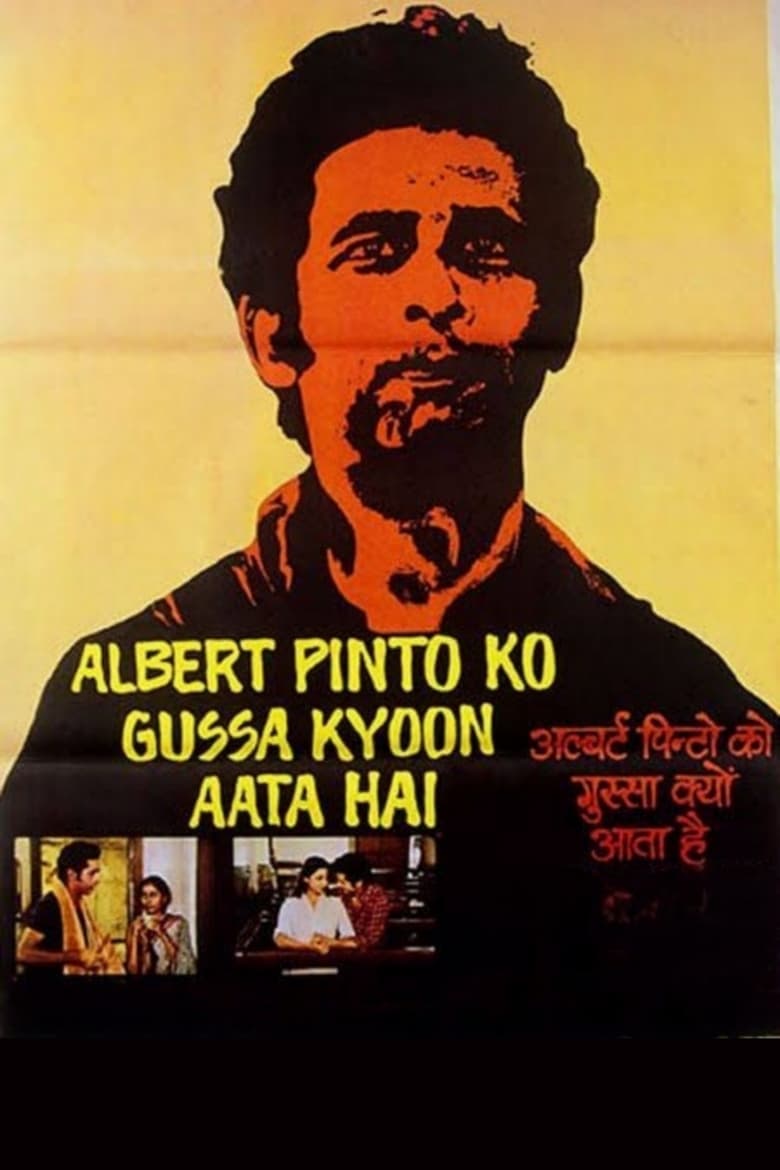
'Albert Pinto Ko Gussa Kyun Ata Hai' revolves around the Pintos and the people connected to them. There's Albert who's pretty much angry at everybody. His brother Dominic who thinks it's better to be jobless than to work an underpaid job, his patient sister Joan who works at a sari shop, his independent girlfriend Stella who feels under-appreciated by her boyfriend, his father and his colleagues, client and Stella's family. The film is very much a social commentary about Middle-class life in Bombay during the late ’70s and the conflicts arising in the labour force because workers were getting severely underpaid.
Overall Score
Fair
Category Breakdown
LGBTQ+ Representation
The film focuses on socioeconomic and familial struggles within a heteronormative framework. There are no depictions of non-cisnormative identities or same-sex narratives.
Gender Representation
Stella provides a necessary disruption to patriarchal tensions by asserting her independence and agency. However, the narrative remains largely anchored in male-driven labor and provision struggles.
Racial & Ethnic Diversity
The film offers an authentic portrayal of the Indian urban working class in Bombay. It avoids Westernized tropes to center a specific, localized ethnic and socioeconomic demographic.
Religious & Cultural Diversity
The story excels at critiquing capitalist and bureaucratic systems in post-independence India. It uses the protagonist's anger to highlight systemic corruption and economic stagnation.
Disability Representation
There are no prominent depictions of visible or invisible disabilities that drive the narrative or serve as central character arcs.
Strengths
Areas for Improvement
AI Analysis
Saeed Akhtar Mirza’s work serves as a vital piece of social realism, prioritizing structural critique over identity-based metrics. The film succeeds by deconstructing the traditional hero archetype, replacing him with a protagonist whose rebellion stems from systemic failure. While the film lacks contemporary representation for LGBTQ+ and disability identities, it finds strength in its authentic depiction of the Bombay working class. It avoids the polished, homogenized aesthetics of mainstream cinema to focus on the friction between individuals and the state. Ultimately, the film is a sophisticated commentary on institutional power. It captures the disillusionment of a generation navigating economic stagnation and the ethical compromises required by a corrupt environment.
1990

1992
1993
1978
No reviews yet. Be the first to share your thoughts on this movie!
Use the rating form above to leave a star rating and optional review.