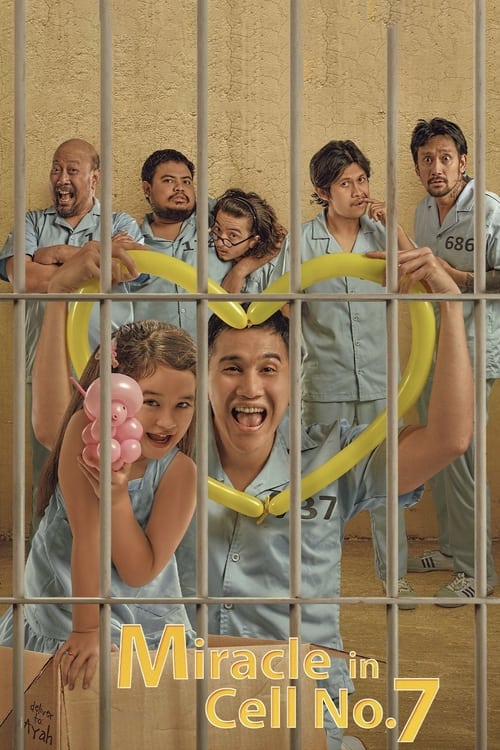
Miracle in Cell No. 7
2022
No user ratings available yet
Diversity score: 5.5 out of 10

1954
Director
Prakash Arora
Runtime
149 minutes
Average Rating
No ratings yetSynopsis
Two orphans are forced by their abusive aunt to beg in the streets of Bombay. They take up shining shoes but are separated from each other.
Overall Score
Fair
Category Breakdown
LGBTQ+ Representation
The film lacks any evidence of LGBTQ+ characters or narratives. The story focuses exclusively on the socioeconomic struggles of its protagonists.
Gender Representation
The narrative subverts traditional maternal roles by featuring an abusive aunt as an antagonist. However, agency remains largely centered on the male or child protagonists.
Racial & Ethnic Diversity
Set in Bombay, the film engages with the city's diverse ethnic fabric. The street-level setting reflects a multi-ethnic, working-class urban reality.
Religious & Cultural Diversity
The film offers a strong social critique by deconstructing the idealized family unit. It portrays the domestic sphere as a site of corruption and systemic failure.
Disability Representation
There is no specific evidence of neurodivergence or physical disabilities. The characters' vulnerability is primarily defined by their socioeconomic status and lack of resources.
Strengths
Areas for Improvement
AI Analysis
Boot Polish is a mid-century social realist drama that prioritizes class-based struggle over modern intersectional markers. It finds its strength in critiquing systemic inequality and the failure of traditional social safety nets. The film's focus on orphans navigating the urban landscape of Bombay provides a window into the multi-ethnic, working-class reality of post-colonial India. It successfully disrupts domestic ideals by presenting an abusive family structure rather than a nurturing one. However, the film lacks representation for LGBTQ+ identities and specific physical or neurodivergent disabilities. The narrative's scope is narrow, centering almost entirely on the socioeconomic plight of the children.
No reviews yet. Be the first to share your thoughts on this movie!
Use the rating form above to leave a star rating and optional review.