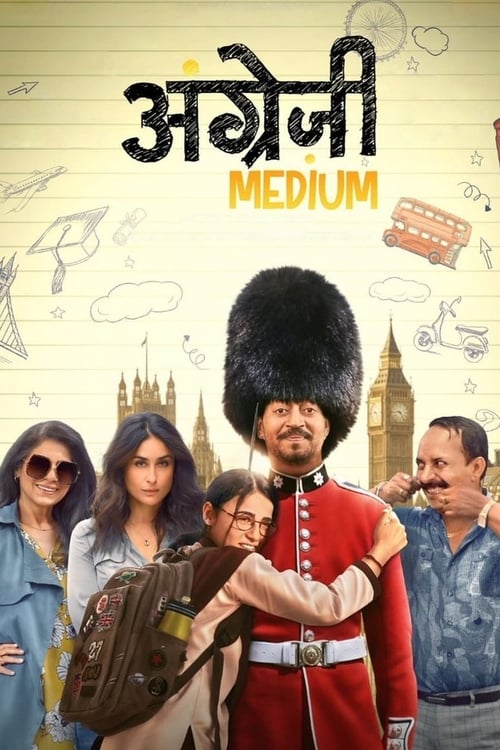
Angrezi Medium
2020
No user ratings available yet
Representation score: 4.0 out of 10
Representation Score
Limited
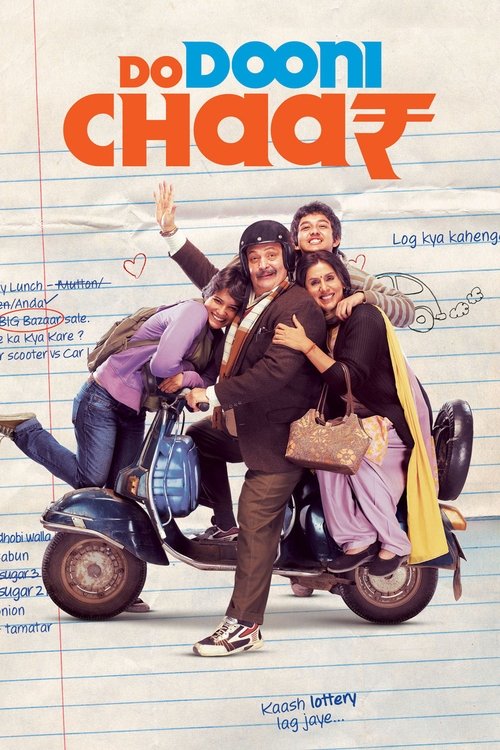
2010
PGDirector
Habib Faisal
Runtime
111 minutes
Average Rating
No ratings yetNew Showbiz Analysis
Do Dooni Chaar is a film that prioritizes socioeconomic authenticity over identity-based themes. It succeeds in offering a grounded, regional perspective that avoids the Western viewpoint, providing a realistic portrayal of South Asian life through an all-Indian cast. However, the film adheres to a traditional patriarchal structure, where the focus is heavily on male characters, leaving female characters with limited plot involvement. Additionally, the film does not engage with LGBTQ+ identities or gender fluidity. Ultimately, the film's strength lies in its subtle critique of systemic economic failures, framing survival through the lens of inadequate systems.
Category Breakdown
The film does not include any LGBTQ+ characters or explore non-straight identities. The story focuses solely on traditional family dynamics.
The narrative emphasizes the male characters' roles and the psychological pressures of masculinity. Female characters are sidelined, serving mainly as a supportive backdrop to the male-driven storyline.
The film excels in ethnic authenticity by featuring an all-Indian cast. It avoids Western stereotypes, presenting a genuine portrayal of local culture.
The story provides a nuanced look at systemic economic structures. It depicts criminal behavior as a result of poverty and desperation, rather than moral failing.
There are no prominent portrayals of physical or neurodivergent disabilities. Such traits do not play a central role in the characters' development.
Present on Screen
Limited or Absent
Official Synopsis
A middle-class father in India struggles through a series of unexpected events for upholding respect and smiles.
2020
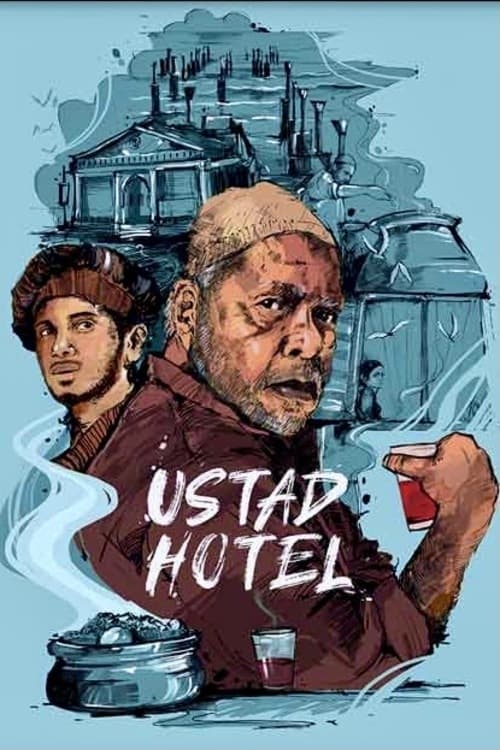
2012

2020
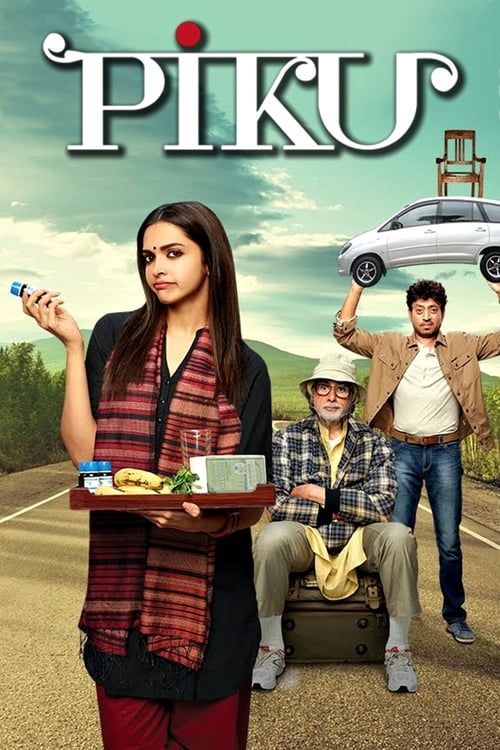
2015

2020
2020
2019
2008
No reviews yet. Be the first to share your thoughts on this movie!
Use the rating form above to leave a star rating and optional review.