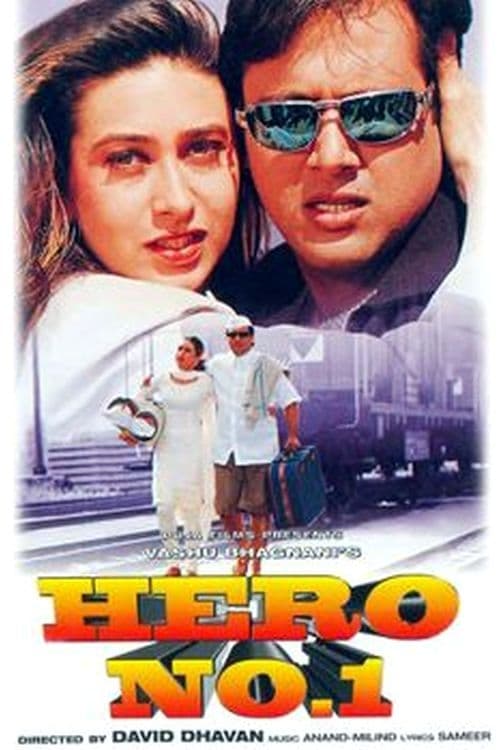
Hero No. 1
1997
No user ratings available yet
Representation score: 3.0 out of 10
Representation Score
Limited
1976
Director
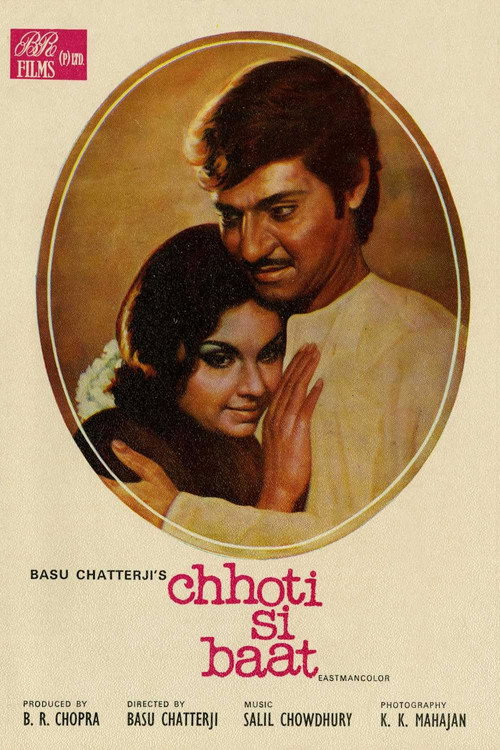
Basu Chatterjee
Runtime
123 minutes
Average Rating
No ratings yetNew Showbiz Analysis
Basu Chatterjee’s direction moves away from the hyper-melodramatic archetypes of mainstream Bollywood. By focusing on the urban middle class, the film provides a grounded, humanistic portrait of social dynamics. The film's strength lies in its structural refusal to rely on hyperbolic clichés. It challenges traditional masculine dominance by presenting a protagonist who must learn to navigate romantic social hierarchies through coaching. However, the film remains limited by its era's social scope. It lacks representation for LGBTQ+ identities and does not feature characters with disabilities, maintaining a narrow, conventional social lens.
Category Breakdown
The film focuses solely on heterosexual relationships and does not include any queer subtext or non-cisgender identities within the character arcs.
The narrative challenges traditional masculine dominance by centering a timid protagonist. Prabha demonstrates social assertiveness and poise, shifting the focus away from traditional masculine roles.
The cast reflects the specific urban setting of Bombay, providing an authentic portrayal of the Indian middle class. The film centers the lived experiences of this demographic.
The film prioritizes social realism and everyday life over grand moral themes. It subtly critiques status anxieties and middle-class etiquette in urban capitalism.
There are no prominent depictions of physical or neurodivergent disabilities within the narrative context.
Present on Screen
Limited or Absent
Official Synopsis
Arun is a timid accountant in Bombay who dreams of romancing Prabha, but is too shy to share his feelings. While Arun twiddles his thumbs, the suave Nagesh steps into the picture and turns on the heat, prompting Arun to take "love coaching" from "romance specialist" Julius Nagendranath to win Prabha back.
1997
1989
1990
1997
2003
2003
2003

2004
No reviews yet. Be the first to share your thoughts on this movie!
Use the rating form above to leave a star rating and optional review.