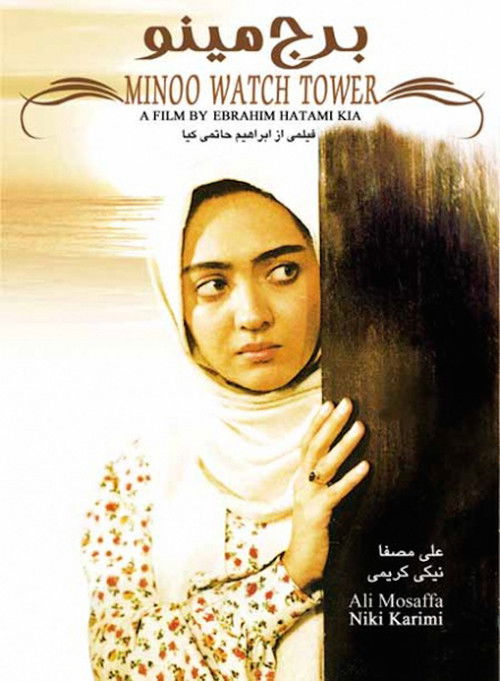
Minoo Watch Tower
1996
No user ratings available yet
Representation score: 5.7 out of 10
Representation Score
Good
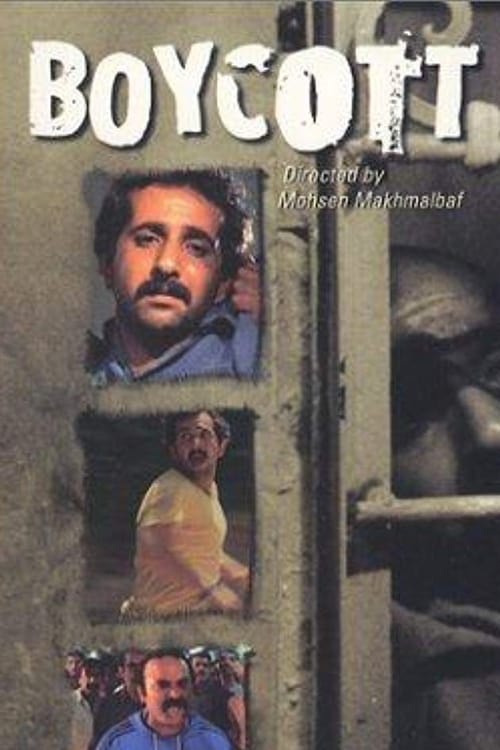
1989
Director
Mohsen Makhmalbaf
Runtime
75 minutes
Average Rating
No ratings yetNew Showbiz Analysis
Mohsen Makhmalbaf’s work stands out for its critique of social structures through a poetic, realistic lens. The film excels in subverting traditional gender roles and presenting a genuine, culturally specific portrayal of Iranian rural life. It avoids the homogenized clichés often found in global cinema. However, the film lacks any LGBTQ+ representation, sticking to traditional romantic frameworks. While the portrayal of psychological trauma is grounded, it primarily serves the broader plot rather than delving deeply into disability itself. Overall, the film is a sophisticated critique of institutional authority, emphasizing the importance of individual ability to act against systemic traditions.
Category Breakdown
The film does not include any LGBTQ+ characters or non-cisgender identities. It focuses on traditional heterosexual relationships and family structures.
The narrative challenges traditional gender roles by highlighting the protagonist's struggle for independence and autonomy. The story emphasizes the female character's active role in driving the plot.
The film provides a genuine depiction of Iranian rural life. It avoids Western-centric casting clichés, offering a nuanced look at a specific, non-Western cultural setting.
The story questions the sanctity of patriarchal families and strict state authority. It prioritizes individual freedom and subjective truth over collective moral standards set by religious or social institutions.
Haji’s psychological trauma from war serves as a focal point for exploring the challenges of reintegrating after conflict. His condition acts as a catalyst for narrative tension rather than a spectacle.
Present on Screen
Limited or Absent
Official Synopsis
Haji is severely traumatized by the war with Iraq. Back from the front, he's unable to adapt to civilian life. Despite family opposition, his fiancée stands by him as together they challenge both the authority of family and state to lead their own lives.
1996
2013
1986
1982

2005

2009

1998
1993
No reviews yet. Be the first to share your thoughts on this movie!
Use the rating form above to leave a star rating and optional review.