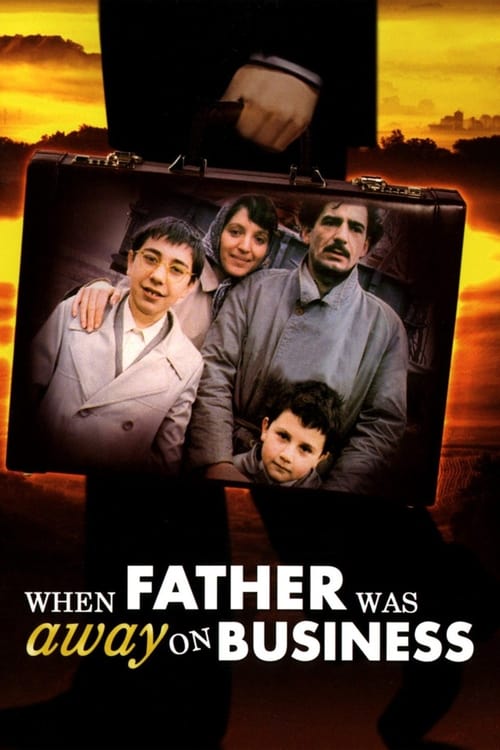
When Father Was Away on Business
1985
No user ratings available yet
Representation score: 5.8 out of 10

Representation Score
Good
1971
Director
Károly Makk
Runtime
88 minutes
Average Rating
No ratings yetNew Showbiz Analysis
Károly Makk’s *Love* is a sophisticated drama that prioritizes internal emotional landscapes over broad social representation. Its strength lies in its nuanced exploration of female subjectivity and its critique of the transactional nature of marriage and class hierarchies. While the film excels at deconstructing traditional social structures and gender roles, it remains limited by its historical setting and narrow romantic focus. The lack of LGBTQ+ representation and the use of a disabled character primarily as a narrative device prevent a higher score. Ultimately, the film is a powerful study of individual rebellion against systemic oppression, even if it remains ethnically and romantically homogenous.
Category Breakdown
The film does not include explicit LGBTQ+ identities or relationships that challenge traditional heterosexual norms. Instead, it focuses on domestic and romantic tensions within a conventional framework.
The story centers on female subjectivity and emotional autonomy. It challenges the cliché of the submissive woman by highlighting the tension between personal desires and societal restrictions.
The cast reflects the ethnic makeup of late 19th-century Hungary. While the film lacks diverse ethnic representation, it stays true to its historical context and specific geographic setting.
The film critiques traditional European social institutions and rigid class hierarchies. It portrays rebellion against arranged marriages and systemic oppression as a pursuit of individual truth.
A bedridden mother-in-law serves as a central narrative pivot. However, she functions more as a catalyst for the protagonist's conflict than as a character with independent ability to act.
Present on Screen
Limited or Absent
Official Synopsis
Luca, who regularly visits her bedridden mother-in-law, hides from her the fact that János, his son, has been arrested on a trumped up political charge.
1985
1970
1993
1993
1991

1978

1969
1986
No reviews yet. Be the first to share your thoughts on this movie!
Use the rating form above to leave a star rating and optional review.