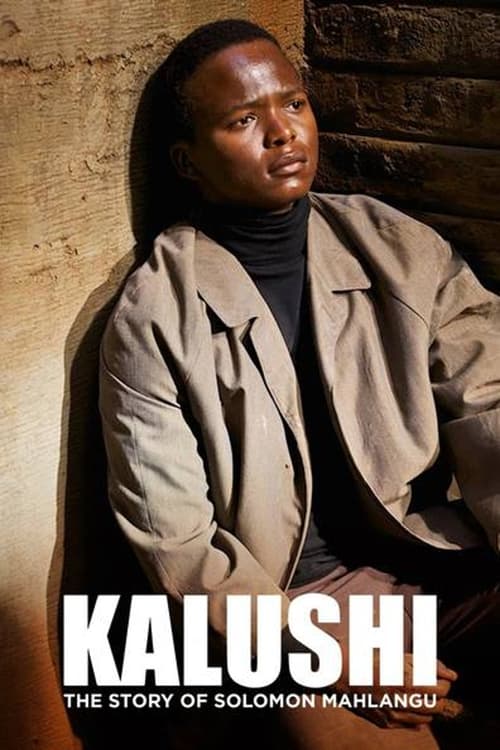
Kalushi: The Story of Solomon Mahlangu
2017
No user ratings available yet
Representation score: 5.3 out of 10

Representation Score
Fair
1989
RDirector
Euzhan Palcy
Runtime
107 minutes
Average Rating
No ratings yetNew Showbiz Analysis
A Dry White Season is a powerful examination of systemic oppression during the apartheid era. It succeeds by centering the lived experiences of underrepresented Black South Africans rather than traditional Western-centric historical narratives. The film's strength lies in its sophisticated structural critique of institutionalized racism. By positioning a female protagonist as the catalyst for justice, it challenges traditional gender roles and provides deep ability to act to those facing state-sanctioned violence. However, the film lacks representation for LGBTQ+ identities and does not feature characters whose central identities are defined by disability. Its focus remains strictly on the socio-political struggle of race and gender within a corrupt state machine.
Category Breakdown
The film does not focus on LGBTQ+ identities or non-straight relationships. Instead, it centers on the socio-political realities of apartheid.
A female protagonist serves as the main driver of the plot, playing a significant role in pushing the story forward. She navigates a dangerous, male-dominated environment to seek justice.
The film excels in showing racial power dynamics and the systemic dehumanization of Black South Africans. It prioritizes the perspectives of the oppressed over the white minority.
The narrative critiques corrupt South African state institutions and legal systems. It highlights the tension between individual morality and oppressive state laws.
While the film depicts physical trauma from state violence, it lacks a central focus on permanent or neurodivergent disabilities.
Present on Screen
Limited or Absent
Official Synopsis
During the 1976 Soweto uprising, a white school teacher's life and values are threatened when he asks questions about the death of a young black boy who died in police custody.
2017
1990
2004
1970
1988
1987
2015
1985
No reviews yet. Be the first to share your thoughts on this movie!
Use the rating form above to leave a star rating and optional review.