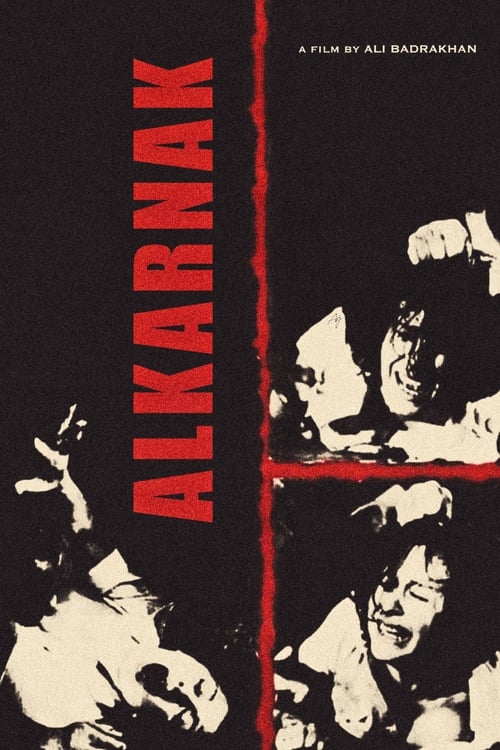
Karnak
1975
No user ratings available yet
Representation score: 7.9 out of 10
Representation Score
Good
1989
Director
Nouri Bouzid
Runtime
104 minutes
Average Rating
No ratings yetNew Showbiz Analysis
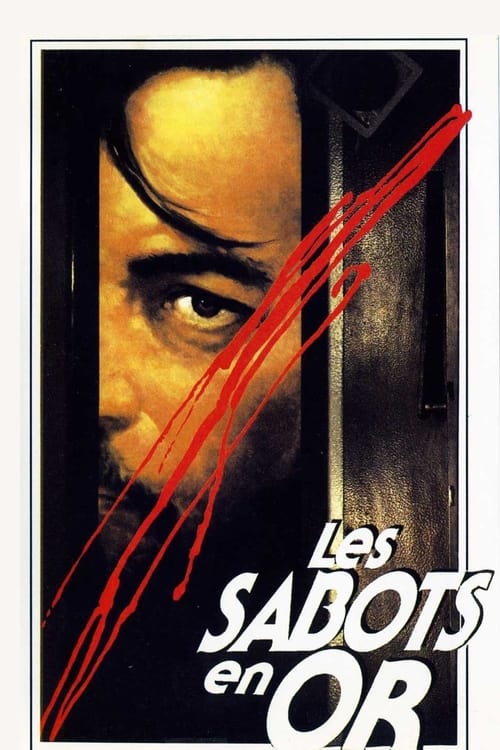
Golden Horseshoes is a localized drama that prioritizes the North African experience over Western cinematic conventions. By focusing on a Tunisian intellectual navigating the aftermath of failed ideologies, the film provides a nuanced exploration of post-colonial identity and systemic political failures. The film excels in its cultural and ethnic representation, offering a rich, self-driven perspective on the Maghreb. It goes beyond simple storytelling to question the relationship between individuals and state authority. While gender dynamics are explored through complex character interactions, the film lacks explicit LGBTQ+ representation or disability-focused narratives within the provided context.
Category Breakdown
The film focuses on the protagonist's relationship with Zineb, with little emphasis on explicit LGBTQ storylines. However, the director's past work hints at a potential interest in exploring non-traditional relationships and fluid desires.
Zineb plays a pivotal role in driving the story, acting as a catalyst for conflict rather than a passive figure. This portrayal disrupts traditional power dynamics through complex and volatile interactions between characters.
The film centers around a Tunisian intellectual experience, offering a strong, self-driven portrayal of a North African protagonist. It avoids a Western perspective by focusing on the internal political landscape of the Maghreb.
The story critiques Western-aligned political structures and the shortcomings of mid-century ideologies. It highlights a critical, anti-authoritarian stance towards established institutional power and state authority.
There is no explicit mention of physical or neurodivergent disabilities. While the protagonist experiences psychological trauma from torture, it is not framed as a disability narrative.
Present on Screen
Limited or Absent
Official Synopsis
Youssef Soltane, a 45-year-old Tunisian intellectual, is the product of a generation that lived the era of euphoria and great ideologies in the sixties, and their subsequent failure. He was incarcerated and tortured for his political opinions. Furthermore, his relationship with Zineb, a young, beautiful bourgeois, only brings him more trouble. During one long winter night, Youssef wanders in search of an emotional haven, prey to all the questions that flood his memory.
1975
1988
1986
1997
2008

1985
2010
2008
No reviews yet. Be the first to share your thoughts on this movie!
Use the rating form above to leave a star rating and optional review.