Mitt folk är icke ditt
1944
No user ratings available yet
No diversity score available
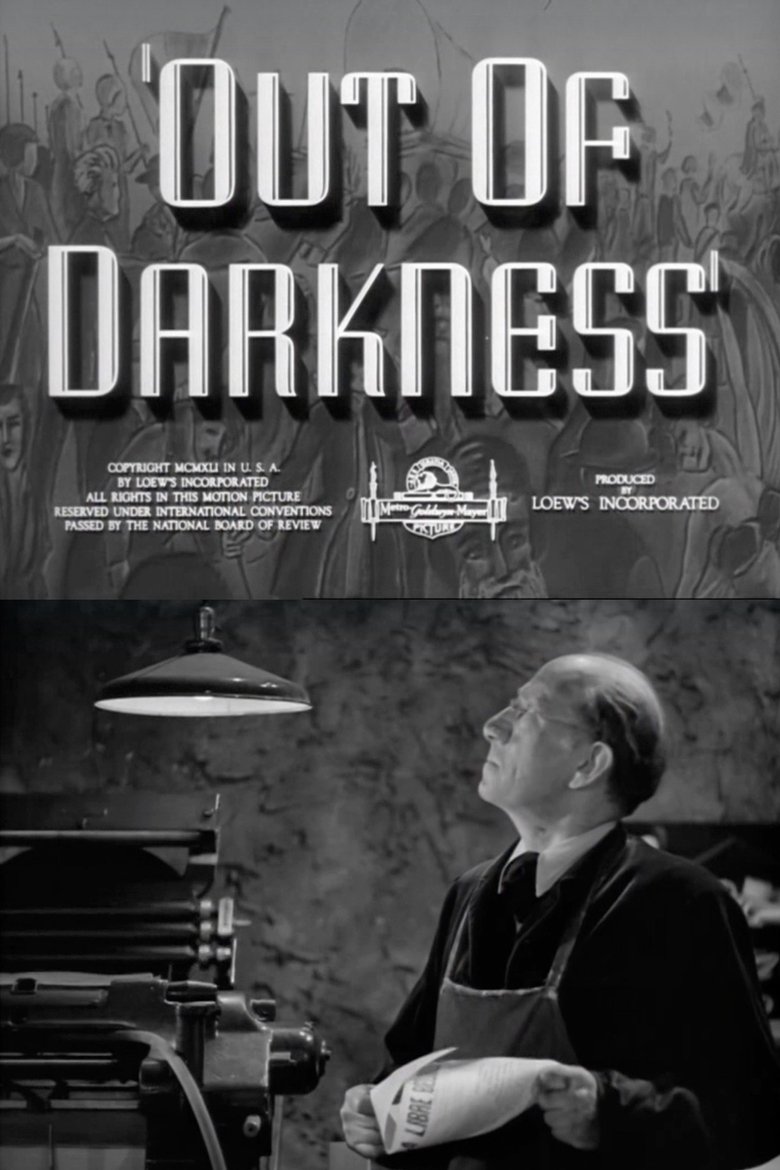
1941
ApprovedDirector
Sammy Lee
Runtime
11 minutes
Average Rating
No ratings yetSynopsis
This John Nesbitt's Passing Parade short tells of the Nazis' efforts to shut down an underground resistance newspaper in occupied Belgium.
Overall Score
Fair
Category Breakdown
LGBTQ+ Representation
The film lacks any evidence of LGBTQ+ characters or non-heteronormative identities. The narrative remains strictly focused on geopolitical resistance within a 1941 historical context.
Gender Representation
The story centers on an underground resistance movement that emphasizes masculine roles in combat and clandestine operations. There is no specific mention of female character agency or leadership.
Racial & Ethnic Diversity
Set in occupied Belgium, the cast appears predominantly white and European. The narrative reflects the homogeneous demographic realities of the early 1940s European theater.
Religious & Cultural Diversity
The film offers a strong critique of the Nazi regime's oppressive structures. It prioritizes the value of information freedom through the lens of an underground newspaper.
Disability Representation
There is no information regarding the inclusion or portrayal of characters with physical or neurodivergent disabilities.
Strengths
Areas for Improvement
AI Analysis
Out of Darkness is a topical historical drama that finds its strength in its thematic opposition to authoritarianism. By focusing on the struggle for information freedom against the Nazi regime, the film challenges systemic oppression and state-mandated authority. However, the work is limited by the social and demographic homogeneity of 1941 cinema. It lacks intersectional diversity, focusing on a narrow European demographic and traditional gender roles common to the era's production standards. Ultimately, the film's value lies in its political messaging rather than its representation of diverse identities.
1944
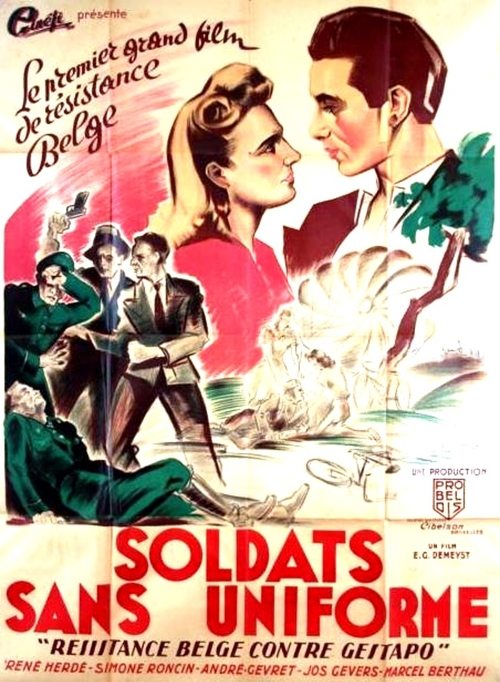
1944
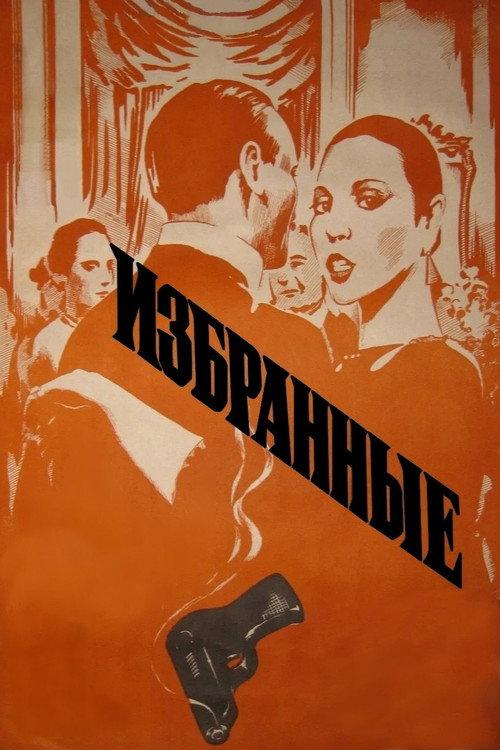
1983
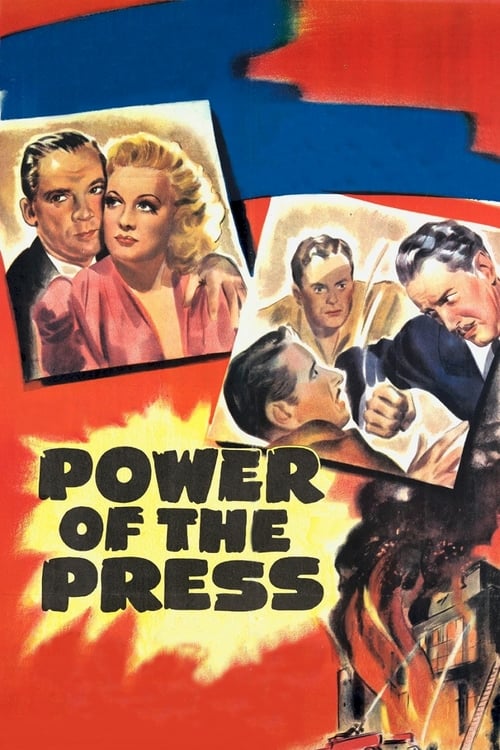
1943
1982

1958

2009
1956

1960

1997

2022
2013
No reviews yet. Be the first to share your thoughts on this movie!
Use the rating form above to leave a star rating and optional review.