
Cyclops
1982
No user ratings available yet
Diversity score: 5.7 out of 10

1960
Director
Jiří Krejčík
Runtime
104 minutes
Average Rating
No ratings yetSynopsis
During the Nazi occupation of a Czech city civilians are being rounded up on the slightest of pretexts and shot. One day three high school boys who crack jokes about a recently deceased "hero of the Reich" are pulled out of school by the Gestapo.
Overall Score
Good
Category Breakdown
LGBTQ+ Representation
The film lacks explicit LGBTQ+ characters or non-heteronormative narratives. The plot prioritizes the existential threat of the Gestapo over identity-based subplots.
Gender Representation
The narrative centers on a male-dominated sphere involving high school boys and the Gestapo. Agency is primarily driven by male protagonists and antagonists.
Racial & Ethnic Diversity
Set during the Nazi occupation, the film centers the Czech civilian experience. This disrupts Germanic hegemony by critiquing racialized state violence.
Religious & Cultural Diversity
The film offers a sophisticated critique of state institutions. It frames student rebellion as a humanistic resistance against corrupt, imperialist, and authoritarian structures.
Disability Representation
There is no discernible evidence regarding the portrayal of physical or neurodivergent disabilities within the narrative.
Strengths
Areas for Improvement
AI Analysis
Jiří Krejčík’s drama serves as a powerful critique of institutional authority rather than a study of modern identity politics. It succeeds by dismantling the myth of the 'heroic' occupier through the eyes of Czech civilians. While the film lacks intersectional markers like LGBTQ+ or disability representation, it achieves progressive value through its narrative architecture. It challenges state-mandated morality and the legitimacy of centralized power. The focus remains on the tension between individual humanity and systemic oppression, making it a significant work of moral exploration despite its narrow demographic scope.
1982
2017
1980
1983
2020
1983
1985
2016

1975
1990
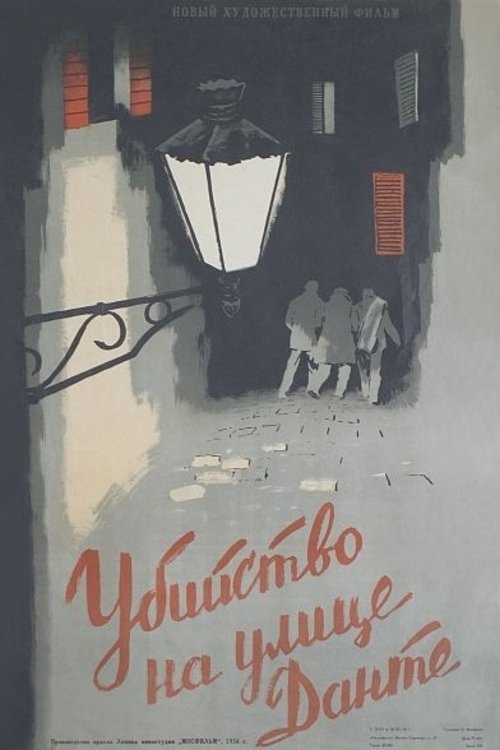
1956
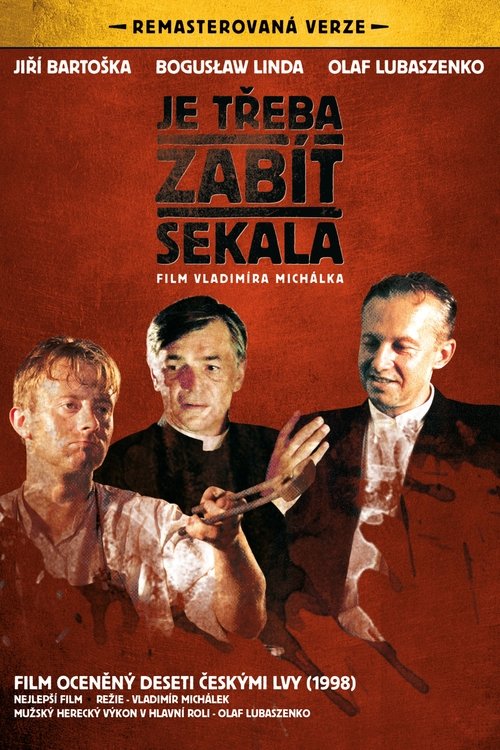
1998
No reviews yet. Be the first to share your thoughts on this movie!
Use the rating form above to leave a star rating and optional review.