
The Albanian
2010
No user ratings available yet
Diversity score: 5.1 out of 10
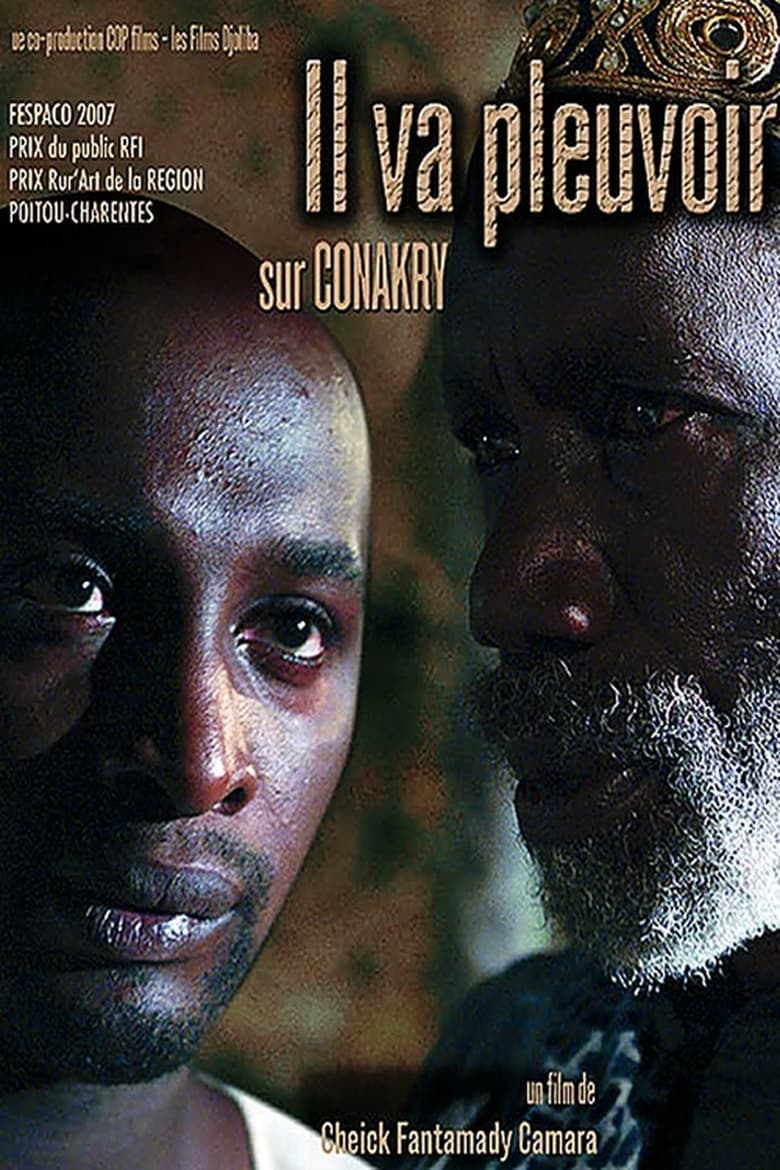
2007
Director
Cheick Fantamady Camara
Runtime
113 minutes
Average Rating
No ratings yetSynopsis
BB works as a political cartoonist at a liberal newspaper, his more outrageous efforts duly appreciated but not necessarily published by his boss. He's in love with the boss’ lovely, talented computer-scientist daughter, Kesso. But his choice meets with stiff opposition from his strict Muslim father Karamako, who is the chief of his village as well as imam of Conakry, especially when Kesso becomes pregnant with BB’s child.
Overall Score
Fair
Category Breakdown
LGBTQ+ Representation
The film focuses on heteronormative romantic structures and traditional family lineages. There is no discernible presence of non-cisnormative identities or queer narratives.
Gender Representation
The story disrupts hierarchies by pitting patriarchal authority against female autonomy. Kesso’s role as a computer scientist challenges gendered expectations of intellect and labor.
Racial & Ethnic Diversity
The production excels in authentic cultural immersion by centering a West African cast. It avoids the Western gaze by grounding the narrative in the specific social context of Conakry.
Religious & Cultural Diversity
The narrative explores the friction between religious institutionalism and personal morality. It highlights the tension between state or religious authority and individual expression.
Disability Representation
There is no prominent evidence regarding the depiction of physical or neurodivergent disabilities within the character descriptions.
Strengths
Areas for Improvement
AI Analysis
Clouds Over Conakry is a sophisticated study of social transition in Guinea. It succeeds by deconstructing the interplay between religious authority and modern individual agency. The film moves beyond simple tropes to examine how traditional structures impact personal freedom. The narrative's strength lies in its authentic cultural grounding and its refusal to cater to external archetypes. By centering local identities and social pressures, it provides a nuanced view of West African urban life. However, the film remains rooted in traditional romantic structures and lacks representation for LGBTQ+ identities. While it challenges patriarchal dominance through its female lead, it does not explore broader spectrums of identity.
2010
2004
2013
2020
2000

1978
2002
2000
1996
2013
2010
2009
No reviews yet. Be the first to share your thoughts on this movie!
Use the rating form above to leave a star rating and optional review.