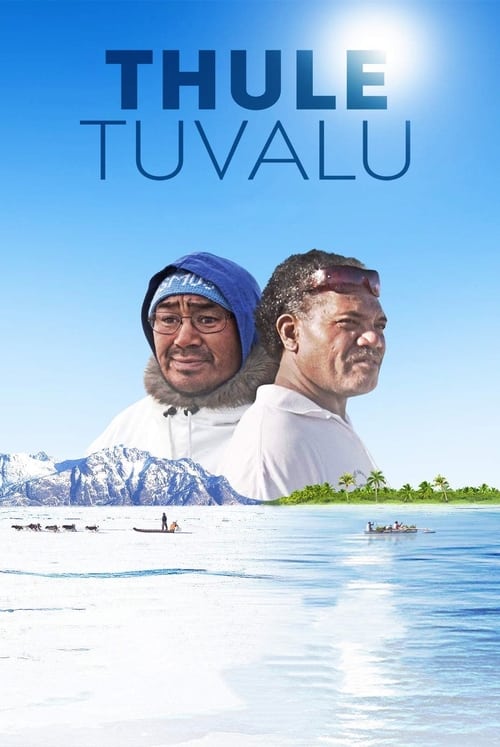
ThuleTuvalu
2014
No user ratings available yet
Representation score: 5.8 out of 10
Representation Score
Good
2010
PGDirector
Tomoko Kana
Runtime
106 minutes
Average Rating
No ratings yetNew Showbiz Analysis
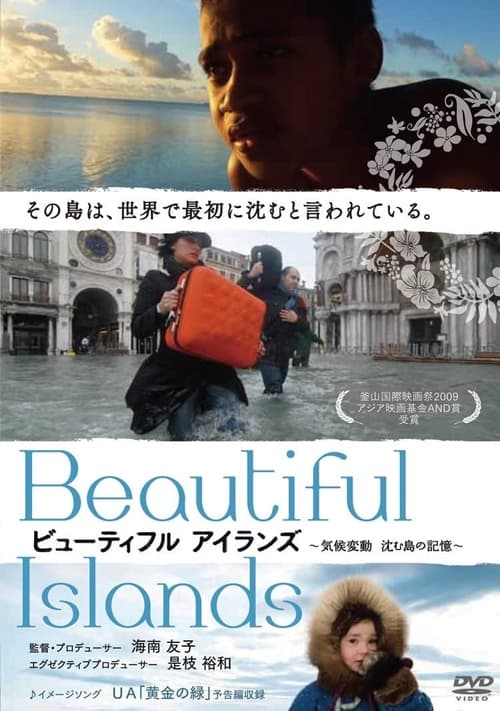
Beautiful Islands succeeds as a piece of observational cinema that disrupts conventional geographic hierarchies. By centering the periphery rather than the global center, it provides a significant role in driving the story to non-Western and Indigenous voices facing environmental crisis. While the film lacks explicit focus on identity-based politics like LGBTQ+ or disability narratives, it achieves high progressive value through its racial and cultural breadth. The storytelling emphasizes the intersection of cultural identity and systemic vulnerability. Executive producer Hirokazu Kore-eda’s involvement suggests a humanistic, non-hierarchical approach. The film effectively uses the lens of climate change to highlight the fragility of diverse human histories.
Category Breakdown
The documentary focuses on communal ties and traditional crafts. There is no explicit evidence of LGBTQ+ characters or narratives addressing non-straight relationships.
The film portrays the daily lives of inhabitants across three cultures. It favors a community-centric portrayal of existence rather than aggressive masculine leadership clichés.
The film centers three distinct locales: Tuvalu, Venice, and Shishmaref. This approach challenges Western-centric perspectives by placing Polynesian, European, and Indigenous Alaskan voices on equal footing.
The narrative prioritizes localized traditions and subjective ways of life. It frames the loss of these islands as a profound loss of human history and culture.
There is no specific mention of subjects with visible or invisible disabilities. The focus remains on collective community experiences rather than individual medical narratives.
Present on Screen
Limited or Absent
Official Synopsis
This movie (Executive Producer - KORE-EDA Hirokaz) looks at three beautiful islands, shaken by climate change: Tuvalu in the South Pacific, Venice in Italy, and Shishmaref in Alaska. The islands all have different climates and cultures, but the people all love their native lands. The film, which took three years to shoot, focuses on their daily lives. It portrays festivals that foster ties among the people, traditional crafts which have been passed on for generations, and peaceful lives by the water. They are all disappearing by climate change. When these people lose their homelands, their cultures and histories face death. Their lives in the midst of all the changes suggest where our future leads.
2014
2015
2016
2016
2025
2021
2018
2017
No reviews yet. Be the first to share your thoughts on this movie!
Use the rating form above to leave a star rating and optional review.