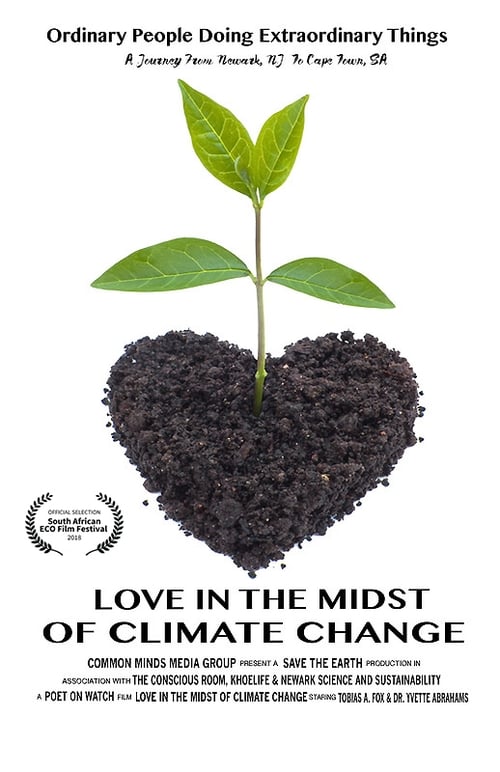
Love In The Midst Of Climate Change
2018
No user ratings available yet
Representation score: 8.6 out of 10
Representation Score
Good
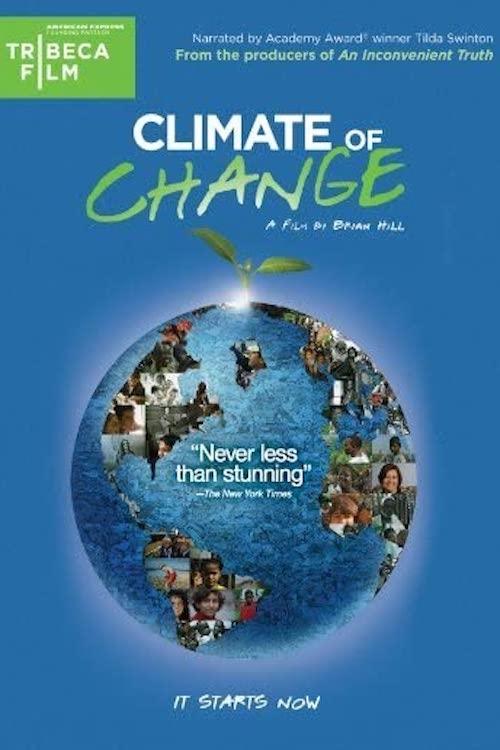
2010
TV-GDirector
Brian Hill
Runtime
86 minutes
Average Rating
No ratings yetNew Showbiz Analysis
Climate of Change succeeds as a globalized narrative that avoids the 'Western savior' cliché. By focusing on grassroots movements in India, Africa, and Papua New Guinea, the film empowers non-Western actors as the primary drivers of environmental action. The documentary's strength lies in its multi-layered geography and its critique of predatory capitalism. It frames environmentalism as a decentralized struggle, moving away from top-down institutional perspectives to highlight community-led movements. However, the film lacks depth in identity-specific politics. While it achieves high marks for racial and cultural inclusivity, it offers no visible representation for LGBTQ+ or disability communities.
Category Breakdown
The film focuses on ecological survival rather than identity-based social dynamics. There is no explicit mention of LGBTQ+ characters or narratives centered around non-straight relationships.
The film highlights female leadership through a professional woman in London who leads a communications firm. It balances youthful energy with specialized knowledge to challenge traditional gender hierarchies.
The documentary centers perspectives from India, Africa, and Papua New Guinea, casting Global South populations as active agents of change. It de-centers Western hegemony by focusing on non-Western actors.
The narrative critiques industrial capitalism by promoting sustainable logging and a philosophy of stewardship that challenges Western institutional dominance. It emphasizes communal, localized solutions.
There is no discernible information regarding the portrayal of physical or neurodivergent disabilities. No specific characters are identified in this category.
Present on Screen
Limited or Absent
Official Synopsis
"We are the renters of this world, not its masters," reminds Pooshkar, a precocious 13-year-old member of a youth environmental defense group in India. He and his fellow voraciously energetic students actively rally against the use of plastics. In Africa, a renaissance man teaches citizens to harness solar power to cook food. In Papua New Guinea, villagers practice sustainable logging to save their rainforests. A woman in London uses her PR savvy to start a successful environmental communications firm. Self-described "hillbillies" in Appalachia battle the big business behind strip mining. In this rich and inspiring documentary, director Brian Hill takes us around the world to find the ordinary people taking action in the fight to save our environment.
2018
2015

2015

2020

2017
2007
2018
2017
No reviews yet. Be the first to share your thoughts on this movie!
Use the rating form above to leave a star rating and optional review.