
How to Let Go of the World and Love All the Things Climate Can't Change
2016
No user ratings available yet
Diversity score: 6.8 out of 10
2025
Director
Stephen Shearman
Runtime
76 minutes
Average Rating
No ratings yetSynopsis
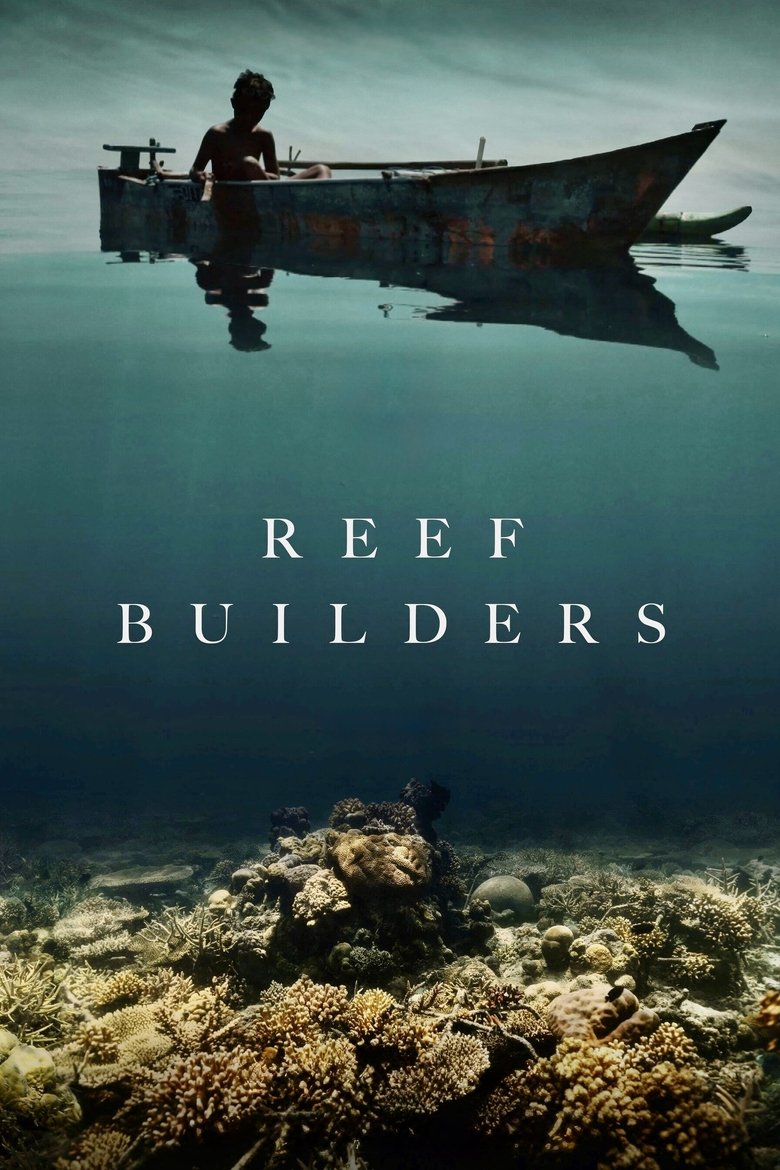
"Reef Builders" tells the true stories of people involved in the Sheba Hope Grows program, leading major restorations to save the world’s coral reefs in the face of climate change.
Overall Score
Good
Category Breakdown
LGBTQ+ Representation
The film lacks explicit confirmation of LGBTQ+ characters or narratives. There is no clear evidence of queer visibility or explorations of non-cisnormative identities within the current documentation.
Gender Representation
Auliʻi Cravalho’s top billing suggests a central female role in marine restoration. This positioning challenges traditional male-dominated hierarchies in environmental science and technical leadership.
Racial & Ethnic Diversity
The focus on coastal villages and the Sheba Hope Grows program implies a narrative centered on local or indigenous communities. Casting Auliʻi Cravalho further supports the centering of non-Western voices.
Religious & Cultural Diversity
The documentary prioritizes communal, sustainable modes of existence over industrial capitalism. It frames ecological preservation as a critique of Western extractive economic models and global industrial structures.
Disability Representation
There is no specific information regarding the depiction of physical or neurodivergent disabilities in this documentary.
Strengths
Areas for Improvement
AI Analysis
Reef Builders shifts the nature documentary genre from passive observation to active, community-led intervention. By focusing on the Sheba Hope Grows program, the film centers human agency and ecological resilience in the face of climate change. The narrative architecture leans heavily into intersectional representation by highlighting coastal villages and non-Western perspectives. The inclusion of Auliʻi Cravalho suggests a deliberate effort to elevate voices often marginalized in scientific discourse. While the film excels in cultural and racial representation, it remains unclear how it handles LGBTQ+ or disability narratives. However, its systemic critique of industrial impact provides a progressive thematic foundation.
2016
2016

2010
2012

2015
2010

2022

2018

2015

2025

2019
2024
No reviews yet. Be the first to share your thoughts on this movie!
Use the rating form above to leave a star rating and optional review.