Sacred Planet
2004
No user ratings available yet
Representation score: 7.3 out of 10
Representation Score
Fair
1998
Director
Mal Wolfe
Runtime
40 minutes
Average Rating
No ratings yetNew Showbiz Analysis
The documentary succeeds in its geographic scope, effectively disrupting the 'Western explorer' cliché by treating diverse global locales as primary subjects. By highlighting regions like the Okavango Delta and the Chang Tang Plateau, it provides a much-needed expansion of the traditional nature documentary landscape. However, the film remains limited in its exploration of social identity. While it excels at showcasing racial and ethnic environments, it lacks visible engagement with gender dynamics or LGBTQ+ narratives, adhering to standard observational clichés of its era. Ultimately, the work is a study in ecological and cultural plurality. It prioritizes the intrinsic value of non-industrialized environments over a Western-centric worldview, even if it avoids deeper social identity politics.
Category Breakdown
The film focuses on geographic dynamism and wildlife. There is no explicit evidence of LGBTQ+ characters or narratives exploring non-straight relationships.
The narrative centers on the relationship between humanity and the natural world. It mentions indigenous cultures but does not specify gender dynamics or challenge traditional hierarchies.
The film demonstrates high intentionality regarding global inclusivity. By centering Madagascar, the Namib, and Tibet, it moves away from a Western-centric lens to showcase non-Anglo-Saxon perspectives.
The documentary challenges Western-centric hierarchies by prioritizing unique, non-Western landscapes. It emphasizes the intrinsic value of diverse, remote ecosystems and indigenous cultures.
The content focuses on geological formations and wildlife. There is no information regarding the portrayal of individuals with physical or neurodivergent disabilities.
Present on Screen
Limited or Absent
Official Synopsis
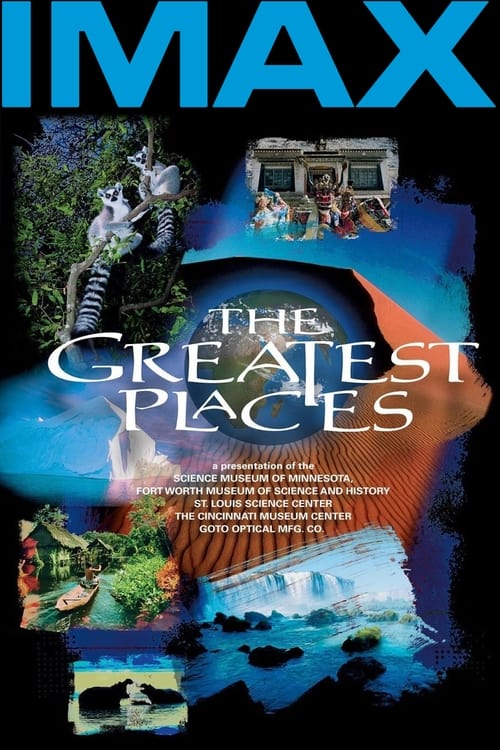
A journey to seven of the most geographically dynamic locations on earth. The film features spectacular land forms, diverse wildlife and the people and cultures indigenous to these places. Distinct geographic places include the great island of Madagascar, home to unique limestone pinnacles and the playful lemur; and the greatest desert—the Namib—home of the largest sand dunes in the world that tower majestically over its western border, the Atlantic Ocean. Other locations featured are the great icecap of Greenland, Iguazu Falls in Brazil, the Okavango Delta in Botswana, the Chang Tang Plateau in Tibet, and the Amazon River in South America.
2004
2021
2012
2017
2017
2014

2002
2007
No reviews yet. Be the first to share your thoughts on this movie!
Use the rating form above to leave a star rating and optional review.