
Piripkura
2018
No user ratings available yet
Representation score: 6.2 out of 10
Representation Score
Good
1989
Director
Phil Agland
Runtime
100 minutes
Average Rating
No ratings yetNew Showbiz Analysis
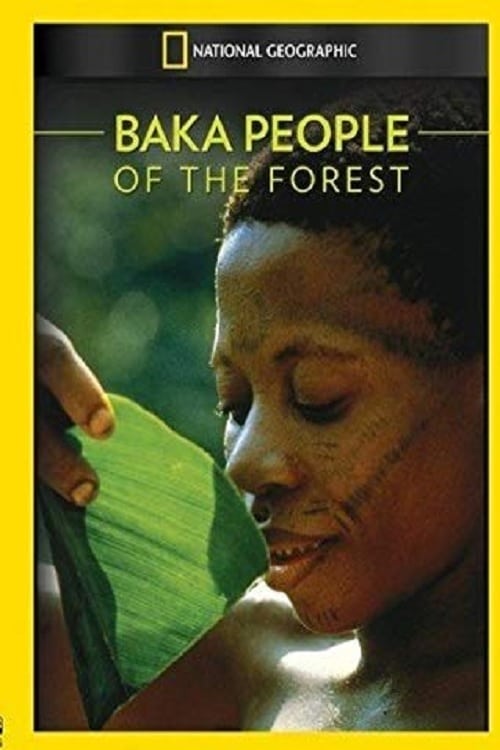
Baka: The People of the Rainforest provides a crucial look into an indigenous community often overlooked by mainstream media. By focusing on the Baka people’s daily lives, the film counters Eurocentric perspectives and offers a meaningful alternative to typical Western documentaries. The film excels in its observational approach, presenting non-Western social structures and survival strategies as the main narrative rather than as exotic novelties. However, the film’s scope is limited by its ethnographic nature. It does not explicitly engage with LGBTQ+ identities or provide detailed character arcs that could further challenge societal norms.
Category Breakdown
The film does not include any specific stories or derogatory stereotypes about LGBTQ+ individuals. It focuses on traditional family dynamics without addressing non-cisgender identities.
The documentary highlights traditional family dynamics and gender roles within the community. It shows how communal labor patterns can differ from Western patriarchal norms.
The film gives a significant role in driving the story to the indigenous Baka people, shifting the perspective away from a Western viewpoint. By centering the Baka community, it provides a unique counter-narrative.
The documentary emphasizes indigenous knowledge and communal living. This focus challenges the dominance of Western industrial and social structures.
There is no evidence to determine the presence or portrayal of disability within the depicted family unit.
Present on Screen
Limited or Absent
Official Synopsis
Intimate story of a Baka family living a traditional life in the rainforests of Cameroun.
2018

2004

2015

2010

2016

2010
2017

2016
No reviews yet. Be the first to share your thoughts on this movie!
Use the rating form above to leave a star rating and optional review.