
491
1964
No user ratings available yet
Representation score: 4.7 out of 10
Representation Score
Good
1969
Director
Vilgot Sjöman
Runtime
107 minutes
Average Rating
No ratings yetNew Showbiz Analysis
Vilgot Sjöman’s film uses a realistic approach to explore the tension between individuals and state institutions. It humanizes those on the margins of society, especially in its examination of addiction and systemic failures. However, the film is limited by its 1969 Swedish context. It lacks racial and LGBTQ+ diversity, focusing instead on a male-centric experience of social reintegration. Overall, the film offers a sophisticated critique of institutional norms and authority, even if its representation remains limited by the standards of its time.
Category Breakdown
The film focuses on social isolation and personal struggles without explicitly addressing LGBTQ+ issues. There are no clear LGBTQ+ characters or direct critiques of the assumption that everyone is straight.
The story centers around a male protagonist dealing with addiction and imprisonment. While the film often disrupts traditional gender roles, the main focus on a male experience suggests limited opportunities for diverse gender experiences.
Given the time and place, the film likely reflects the predominantly white population of 1969 Sweden. There is no indication of a racially diverse cast or intentional casting that deviates from the era's demographics.
The story critiques traditional institutions such as the prison system and social structures. It emphasizes subjective experiences and moral relativism over strict institutional norms.
The film portrays the protagonist's alcohol-related health issues, showing how chronic health problems can impact social standing and cognitive function.
Present on Screen
Limited or Absent
Official Synopsis
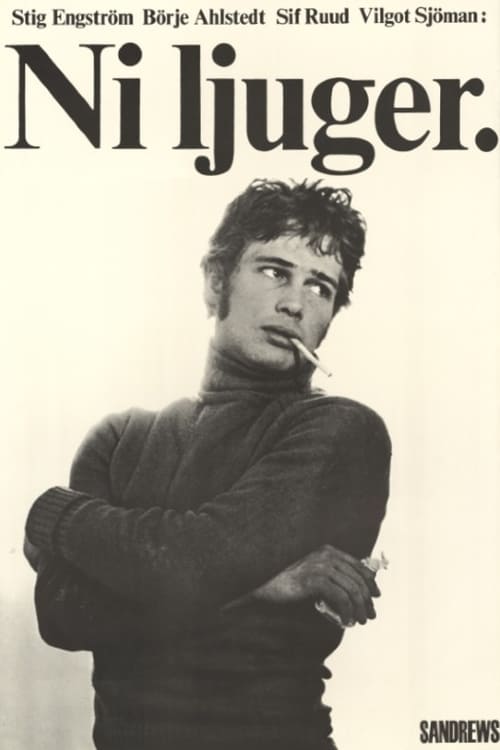
About an alcohol-damaged young man, his life in and out of prison, his friend the art teacher and his difficulties reintegrating into society.
1964
1961

1972

1967
1958
1970

1962

1979
No reviews yet. Be the first to share your thoughts on this movie!
Use the rating form above to leave a star rating and optional review.