The Little Rebels
1955
No user ratings available yet
Representation score: 1.2 out of 10
Representation Score
Fair
1962
Director
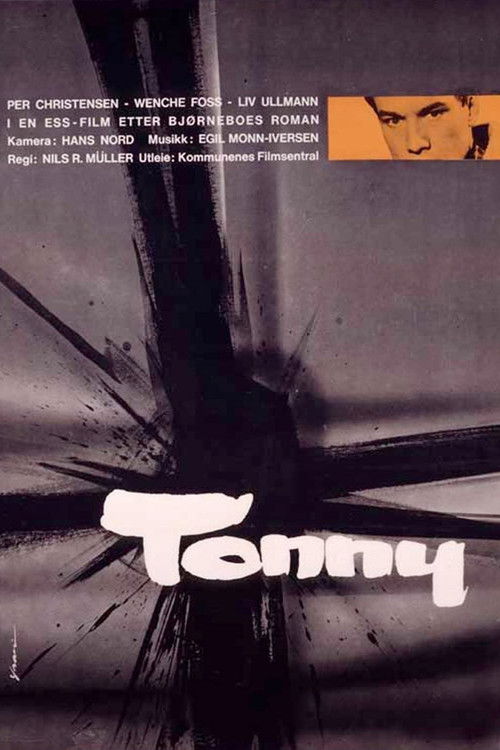
Per Gjersøe, Nils R. Müller
Runtime
86 minutes
Average Rating
No ratings yetNew Showbiz Analysis
Tonny is a mid-century social realist drama that prioritizes systemic critique over modern characters who reflect more than one aspect of diversity. The film excels in examining how state institutions, such as foster care and the prison system, affect underrepresented youth. However, the film remains limited by the era's demographic norms. It lacks racial and LGBTQ+ diversity, focusing instead on a homogeneous social landscape and traditional relationships. Ultimately, the work serves as a study of social friction rather than a diverse ensemble piece, opting for a deep exploration of institutional authority over broad representation.
Category Breakdown
The story revolves around the protagonist's relationship with his girlfriend, Kari. There are no queer narratives or non-cisgender identities in the plot.
The story emphasizes male identity and ability to act within the carceral system. Women like Kari and the mother appear, but the overall structure remains centered on male experiences.
The film portrays a relatively homogeneous social environment typical of 1962 Danish drama. There is no indication of a multi-ethnic cast or diverse ethnic perspectives.
The film critiques state institutions, including the family and legal systems. It explores the tension between individuals and established social orders.
There is no explicit depiction of physical or neurodivergent disabilities. However, the protagonist's status as a social outcast highlights the struggles faced by those underrepresented by systemic labels.
Present on Screen
Limited or Absent
Official Synopsis
Tonny is a school boy in foster care who serves his first sentence in jail. We follow him 24 hours before his parole and 48 hours after his release. We get to see his experiences in prison and his relationship with his mother, friends and girlfriend Kari.
1955

2015
1976

1979

1989
1980
1969
2002
No reviews yet. Be the first to share your thoughts on this movie!
Use the rating form above to leave a star rating and optional review.