Integration Report 1
1960
No user ratings available yet
Representation score: 7.1 out of 10
Representation Score
Good
1970
Director
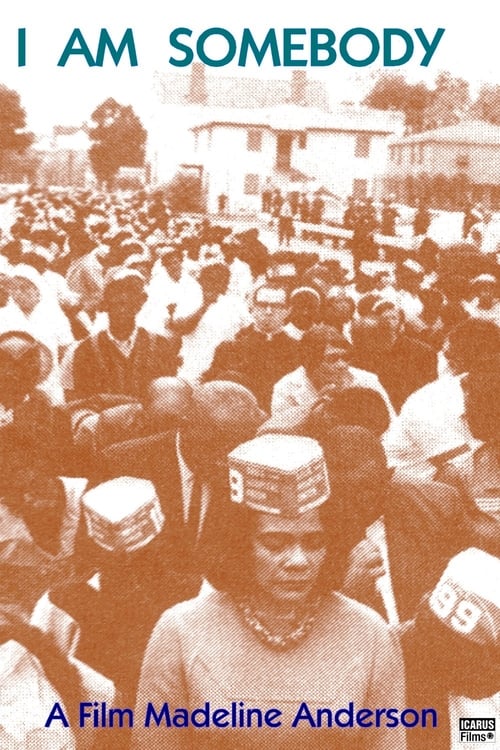
Madeline Anderson
Runtime
30 minutes
Average Rating
No ratings yetNew Showbiz Analysis
Madeline Anderson’s documentary is a landmark achievement in storytelling that reflects multiple aspects of identity. By centering the 1969 Charleston hospital workers' strike, the film provides a actively leading portrayal of Black women leading a movement against state-sanctioned opposition. The work excels in its depiction of racial and gendered power dynamics, moving beyond mere observation to document a sophisticated critique of systemic institutional failures, validating the experiences of those often excluded from the historical record. While the film lacks visible LGBTQ+ or disability representation, its focus on Black communal identity and female leadership makes it a foundational piece of progressive cinema.
Category Breakdown
The film focuses on the racial and gendered aspects of the 1969 Charleston strike. There is no explicit evidence of LGBTQ+ narratives or non-cisgender identities being highlighted.
The narrative centers 400 Black women as the primary drivers of political and economic change. It highlights their leadership and subverts traditional cinematic clichés of female domesticity or submissiveness.
This documentary serves as an exceptional record of Black ability to act. It features a predominantly Black cast and focuses entirely on the lived experiences of African Americans navigating systemic oppression.
The film depicts the Black church as a central pillar of community organization. It offers a sophisticated critique of how state and capitalist structures failed to protect Black workers.
There is no specific evidence regarding the portrayal of visible or invisible disabilities within the film.
Present on Screen
Limited or Absent
Official Synopsis
Madeline Anderson’s documentary brings viewers to the front lines of the civil rights movement during the 1969 Charleston hospital workers’ strike, when 400 poorly paid Black women went on strike to demand union recognition and a wage increase, only to find themselves in confrontation with the National Guard and the state government. Anderson personally participated in the strike, along with such notable figures as Coretta Scott King, Ralph Abernathy and Andrew Young, all affiliated with Martin Luther King’s Southern Christian Leadership Conference. Anderson’s film shows the courage and resiliency of the strikers and the support they received from the local black community. It is an essential filmed record of this important moment in the history of civil and women’s rights. The film is also notable as arguably the first televised documentary on civil rights directed by a woman of color, solidifying its place in American film history.
1960

1977
2017
1984
1994
1990
1970
1954
No reviews yet. Be the first to share your thoughts on this movie!
Use the rating form above to leave a star rating and optional review.