Aside
2002
No user ratings available yet
Representation score: 3.7 out of 10
Representation Score
Good
1984
Director
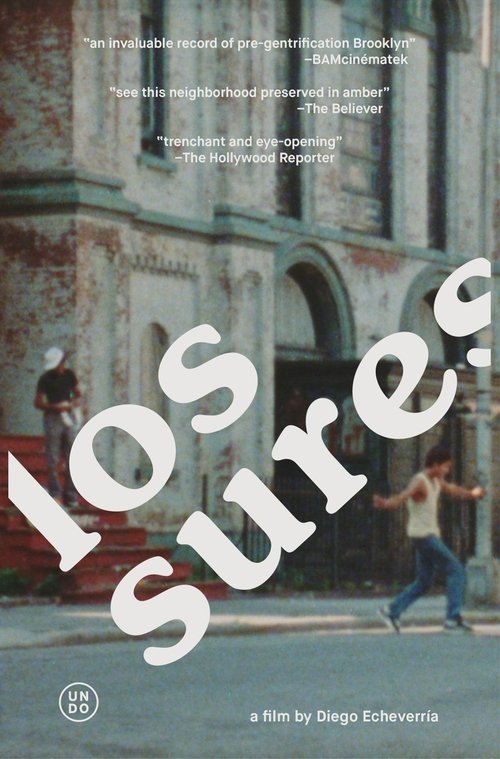
Diego Echeverria
Runtime
58 minutes
Average Rating
No ratings yetNew Showbiz Analysis
Los Sures is a powerful ethnographic documentary that centers the lived experiences of Caribbean-American communities in South Williamsburg. It avoids a purely deficit-based view of poverty, instead balancing the harsh realities of systemic oppression with the profound cultural richness of its subjects. The film's greatest strength is its authentic, community-driven storytelling. By prioritizing local testimonies over external narration, it provides a nuanced look at Puerto Rican and Dominican life during a period of intense urban struggle. However, the documentary lacks explicit representation of LGBTQ+ characters or queer narratives. Additionally, it does not document the portrayal of visible or invisible disabilities.
Category Breakdown
The film does not explicitly address queer identities or non-cisgender narratives. It focuses on the broader urban dynamics of South Williamsburg without highlighting any LGBTQ+ representation.
By showcasing single-parent homes, the film emphasizes the importance of ability to act in navigating systemic neglect. This focus implicitly critiques traditional patriarchal domesticity within high-poverty settings.
The documentary excels by centering Puerto Rican and Dominican identities. It explores the ability to act of these communities amidst intense socioeconomic pressures.
The film challenges narratives of urban decay by presenting the community through resilience and creativity. It highlights cultural strength despite limited local resources.
There is no specific evidence regarding the portrayal of visible or invisible disabilities. While the film addresses social determinants like drugs and violence, disability is not explicitly documented.
Present on Screen
Limited or Absent
Official Synopsis
A documentary on the inhabitants of South Williamsburg, New York, whose lives are explored through the testimony of five inhabitants of the Brooklyn neighborhood. In the late 70s and early 80s, Los Sures was one of the poorest neighborhoods in New York City. In fact, it had been called the worst ghetto in America. Diego Echeverria's film skillfully represents the challenges of its time: drugs, gang violence, crime, abandoned real estate, racial tension, single-parent homes, and inadequate local resources. The complex portrait also celebrates the vitality of this largely Puerto Rican and Dominican community, showing the strength of their culture, their creativity, and their determination to overcome a desperate situation.
2002

2000
2000

1980

2009
2006

2019

2008
No reviews yet. Be the first to share your thoughts on this movie!
Use the rating form above to leave a star rating and optional review.