
Every Sunday
1936
No user ratings available yet
Diversity score: 2.0 out of 10

1966
Director
Ebbe Langberg
Runtime
91 minutes
Average Rating
No ratings yetSynopsis
Grev Rambow har mistet sin formue og må nu bo til leje sammen med sine tre døtre, Beate, Marie og Annette. Grevens eneste håb er, at døtrene gifter sig tilbage til fordums rigdom. Så da tre bejlere melder sig, bliver de nøje målt og vejet. Alt går som planlagt, indtil den rige Hertuginde de Groos vil have sit skvat af en søn gift med Beate. Den desperate greve slår straks til. Men Beate er forelsket i en anden, og nu må pigerne stå sammen, så de alle kan få den, de elsker. Det er en sand stjernebesætning, der stiller op til den sang-, sjov- solfyldte ”Tre Små Piger” - baseret på Walter Kollos operette fra 1927. Instruktør Ebbe Langberg har æren af at instruere Poul Bundgaard, Susse Wold, Malene Schwartz, Daimi, Ove Sprogøe, Bodil Udsen, Karl Stegger og ikke mindst sin 26-årige lillebror, Jesper Langberg i en film, der er lige dele underholdende lystspil og imponerende flot udstyrsstykke. Stærke kræfter bag en musikalsk storfilm - på DVD i Nordisk Films 100-års jubilæumsår.
Overall Score
Minimal
Category Breakdown
LGBTQ+ Representation
The plot focuses on traditional romantic pairings and heteronormative structures. There is no evidence of non-cisnormative identities or critiques of these norms.
Gender Representation
Female agency is limited to choosing romantic partners. While the daughters show solidarity, their actions ultimately serve the patriarchal goal of restoring family wealth.
Racial & Ethnic Diversity
The film reflects a homogeneous mid-century Danish social landscape. There is no indication of racial blending or diverse casting within the setting.
Religious & Cultural Diversity
The narrative reinforces traditional Western social institutions and class hierarchies. It prioritizes family lineage and the preservation of aristocratic status.
Disability Representation
No visible or invisible disabilities are central to the character arcs or the progression of the plot.
Strengths
Areas for Improvement
AI Analysis
Tre små piger is a quintessential mid-century musical comedy that prioritizes escapism over social subversion. The narrative is built around maintaining class stability and traditional family structures, which limits its diversity profile. While the female protagonists demonstrate collective agency by standing together to secure their own happiness, this independence is framed within a patriarchal system. Their primary value is tied to matrimonial success and the restoration of the Count's lost fortune. The film presents a highly homogeneous view of Danish society, focusing on aristocratic preservation and conventional romantic outcomes without exploring broader social or identity-based complexities.
1936
1946
1939
1963
1963
1939
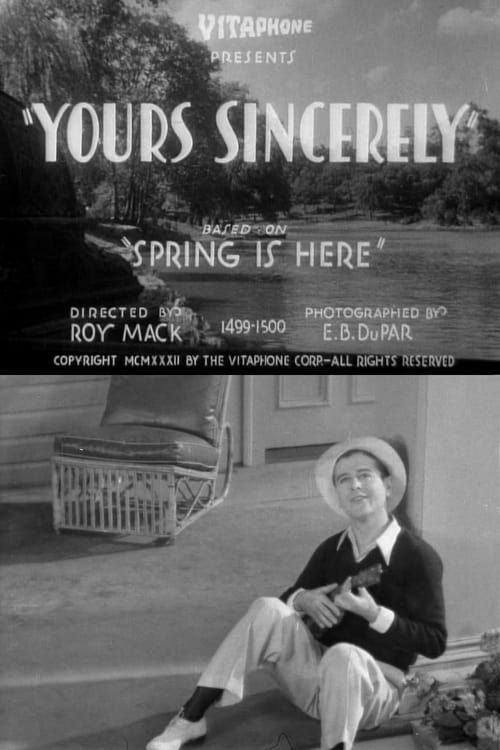
1933
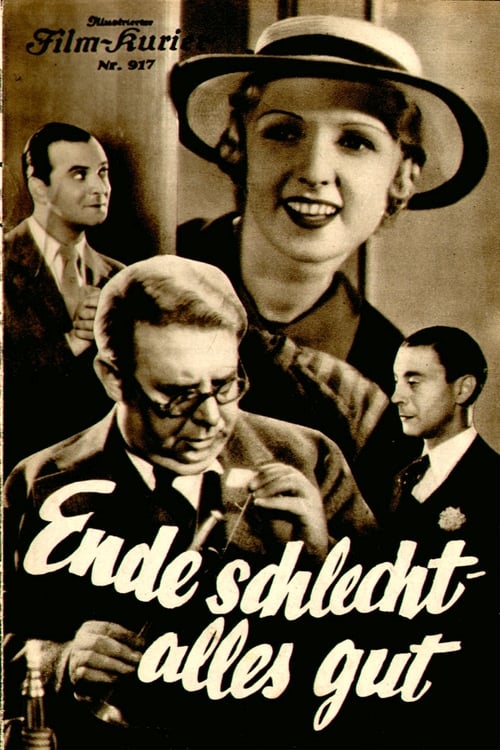
1934
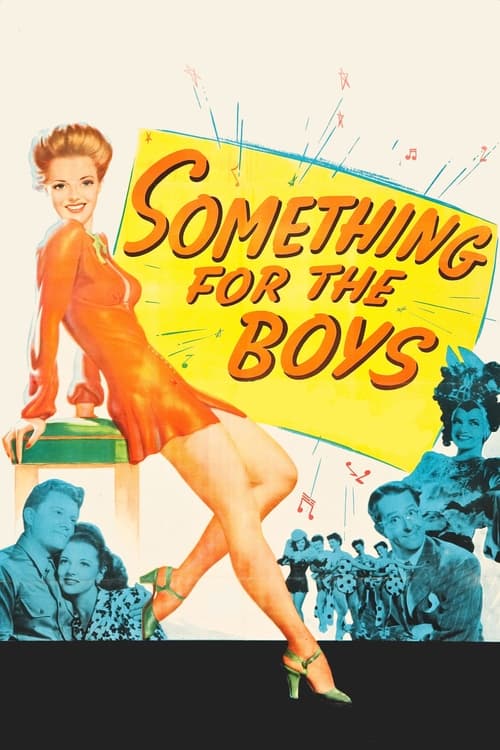
1944
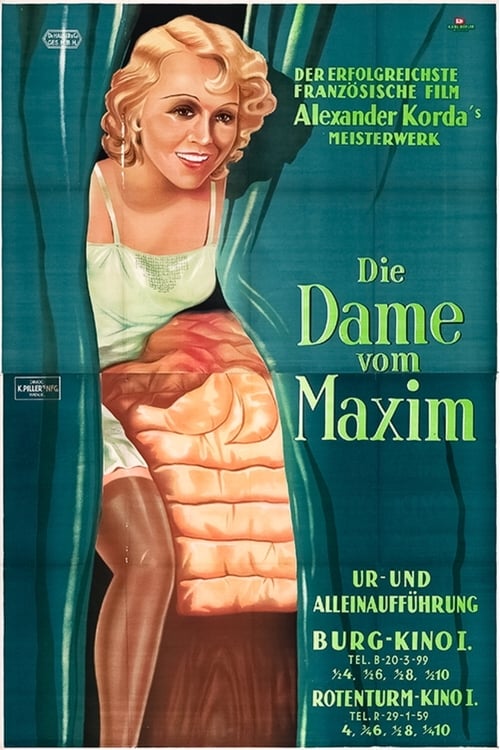
1933
1935
1970
No reviews yet. Be the first to share your thoughts on this movie!
Use the rating form above to leave a star rating and optional review.