The Gink at the Sink
1952
No user ratings available yet
Diversity score: 2.9 out of 10
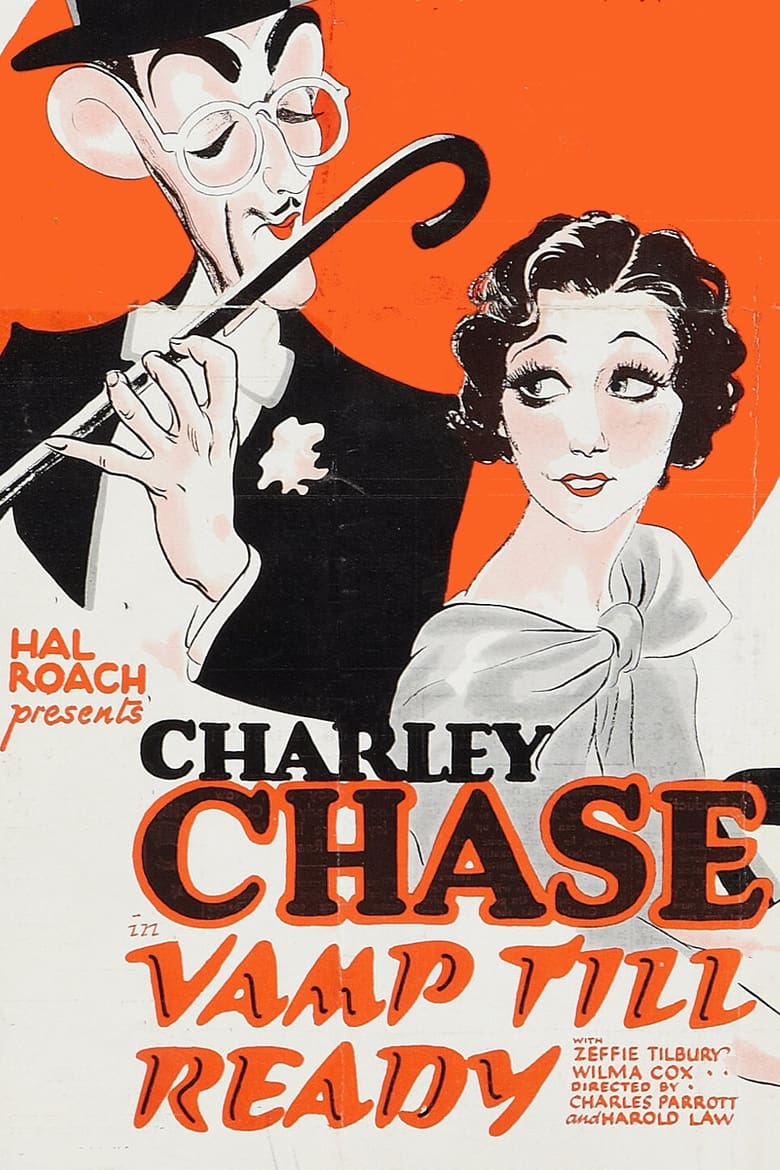
1936
ApprovedDirector
Charley Chase, Harold Law
Runtime
18 minutes
Average Rating
No ratings yetSynopsis
Charley's somewhat prudish wife pretends to be a party girl.
Overall Score
Limited
Category Breakdown
LGBTQ+ Representation
The film lacks any depiction of non-heteronormative identities or same-sex intimacy. The narrative focuses entirely on a traditional heterosexual marital dynamic.
Gender Representation
A wife adopts a 'party girl' persona to subvert her prudish reputation. While this disrupts domestic archetypes for comedy, the structure ultimately reinforces traditional social hierarchies.
Racial & Ethnic Diversity
The production reflects the homogeneous social structures of 1936. There is no evidence of a diverse cast or non-white characters possessing agency in the story.
Religious & Cultural Diversity
The plot centers on maintaining social decorum and conventional morality. It lacks critiques of Western institutions, framing social transgression merely as a comedic device.
Disability Representation
There is no documented evidence of characters with physical or neurodivergent disabilities in this film.
Strengths
Areas for Improvement
AI Analysis
Vamp Till Ready is a product of its era, functioning as a standard 1930s comedic short. It relies on established tropes rather than intersectional complexity or systemic critique. The film's primary source of conflict is the tension between domestic expectations and social performance. While the central conceit offers a brief subversion of feminine archetypes, it does so within a very narrow, traditional framework. Ultimately, the work lacks meaningful representation across most demographic categories, adhering to the homogeneous social norms prevalent in mid-1930s American comedy.
1952
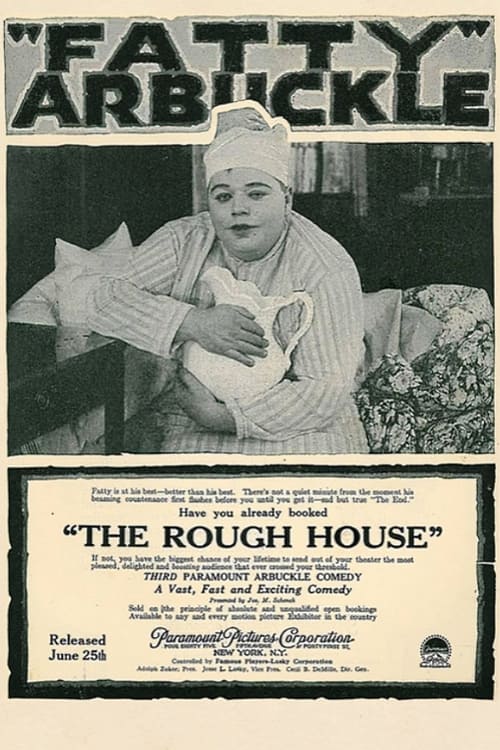
1917
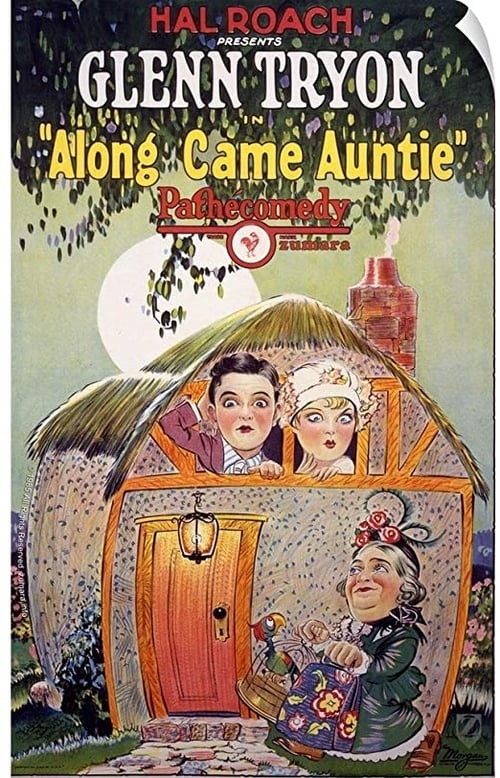
1926

1931
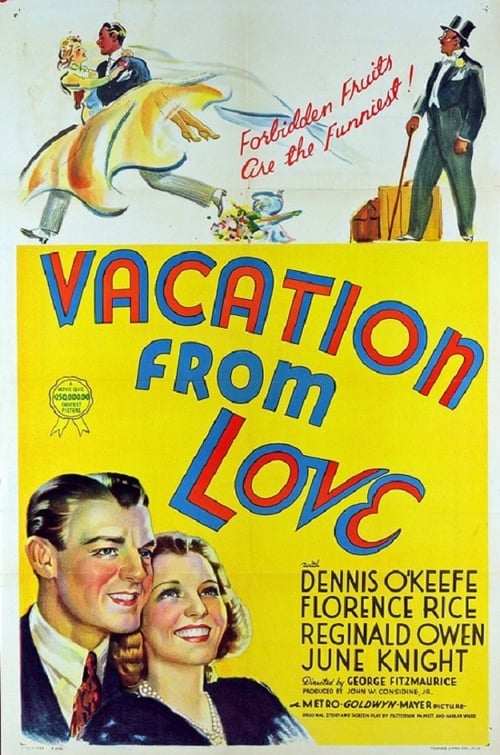
1938

1939
1923
1930

1943

1929
1928

1930
No reviews yet. Be the first to share your thoughts on this movie!
Use the rating form above to leave a star rating and optional review.