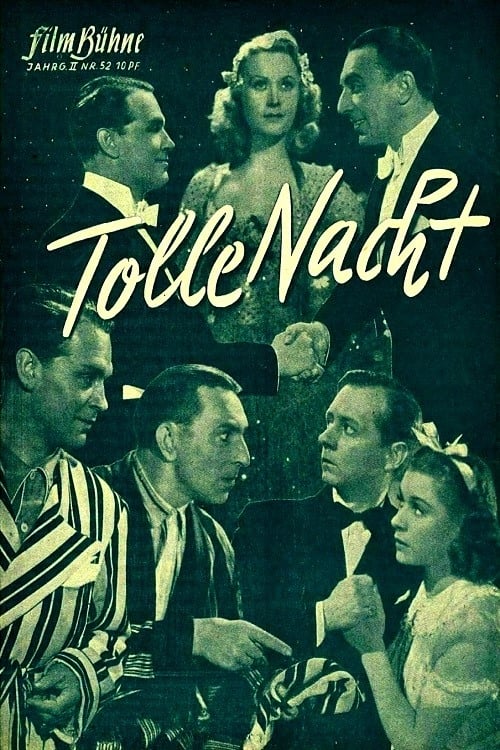
Tolle Nacht
1943
No user ratings available yet
Representation score: 2.1 out of 10
Representation Score
Minimal
1939
Director
Paul Verhoeven
Runtime
88 minutes
Average Rating
No ratings yetNew Showbiz Analysis
This 1939 musical comedy reflects the homogeneous social landscape of its era. The production focuses on traditional European archetypes, offering little in the way of progressive or diverse storytelling. The film's reliance on genre-standard escapism suggests a narrative designed to preserve social cohesion rather than challenge existing hierarchies. While the presence of a female lead provides a central point of interest, the era's constraints likely limit her role in driving the story. Ultimately, the film serves as a product of its historical context, prioritizing conventional romantic and social structures over diverse or subversive representation.
Category Breakdown
The film does not include any verified characters with non-traditional gender identities. Given the time period, the story likely follows conventional social norms.
Featuring Käthe von Nagy, the comedy likely centers around female charm. However, female characters may primarily serve as romantic catalysts rather than active agents of change.
The production appears to be a localized European film. There is no evidence of non-white actors or diverse ethnic representation in the cast.
As a musical comedy, the film emphasizes escapism and social cohesion. It likely reinforces established cultural norms and traditional social hierarchies.
There is no mention of characters with visible or invisible disabilities in the provided cast list or synopsis.
Present on Screen
Limited or Absent
Official Synopsis
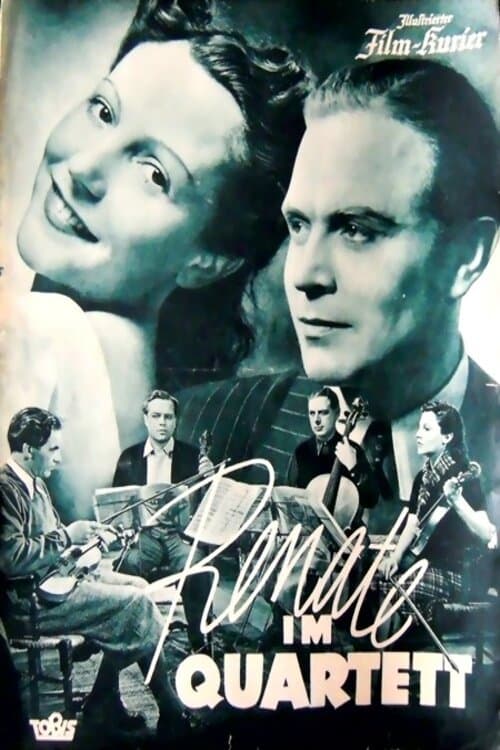
When a female violinist joins an otherwise all-male musical quartet, the other members struggle to cope.
1943
1991
1939
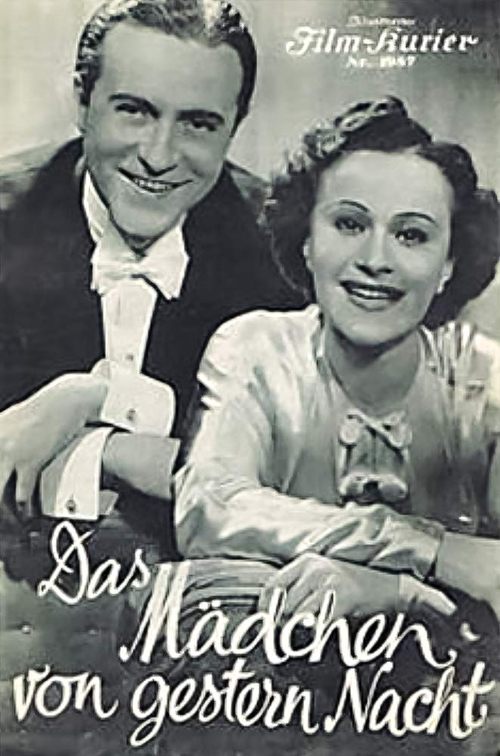
1938
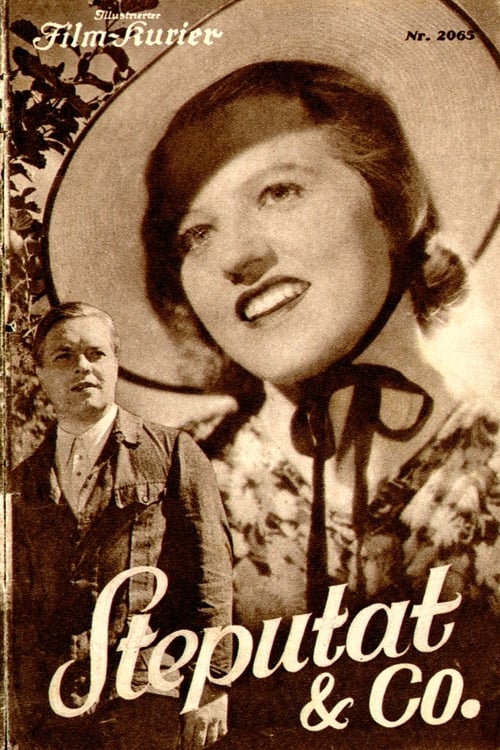
1938
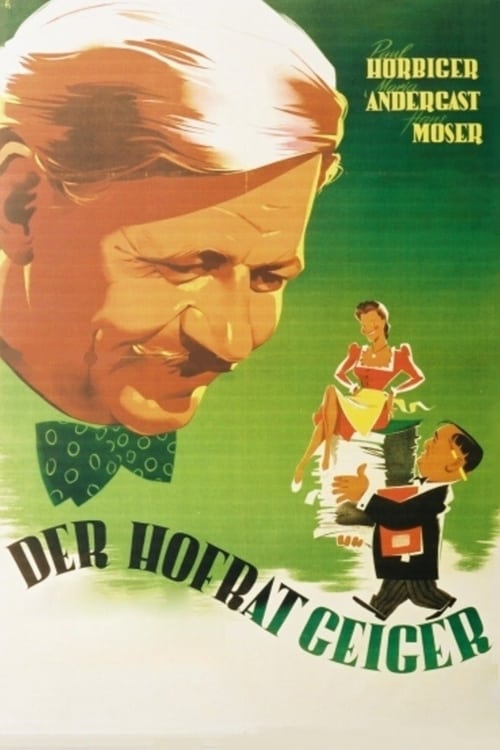
1947
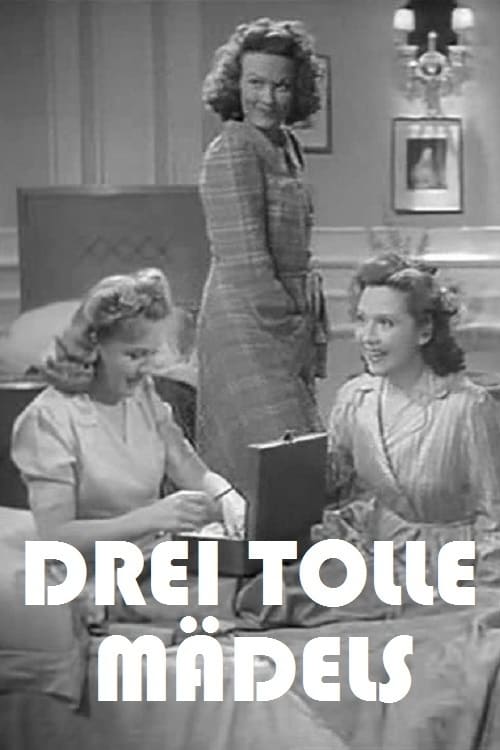
1943
1941
No reviews yet. Be the first to share your thoughts on this movie!
Use the rating form above to leave a star rating and optional review.