From: First Hymn to the Night – Novalis
1994
No user ratings available yet
Representation score: 7.6 out of 10
Representation Score
Minimal
1989
Director
Stan Brakhage
Runtime
16 minutes
Average Rating
No ratings yetNew Showbiz Analysis
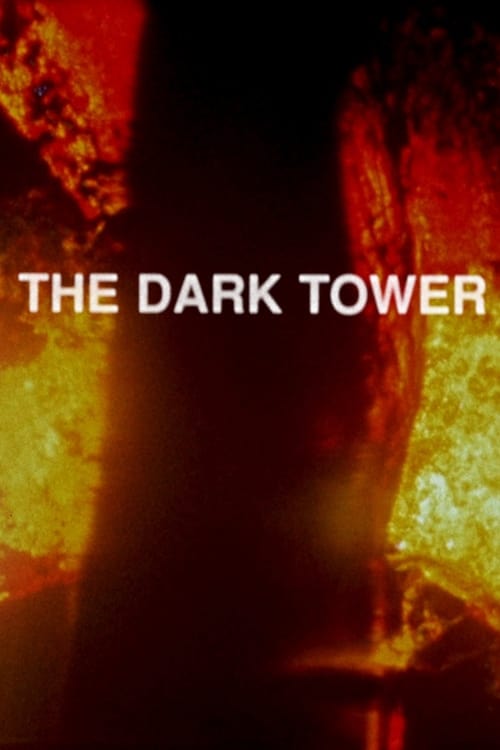
As an avant-garde experimental short, this film prioritizes sensory experience over traditional narrative. It functions as a visual meditation on consciousness and nature rather than a vehicle for social commentary. Because the work lacks a script, cast, or structured plot, it cannot engage with identity politics or systemic power dynamics. It disrupts cinematic traditions by eschewing character-driven storytelling in favor of formalist experimentation. Ultimately, the film remains neutral regarding specific social identities, focusing instead on the symbolic relationship between humanity and the natural world.
Category Breakdown
The film does not depict sexual orientation or gender identity. Instead, it focuses on abstract landscapes and elemental changes, avoiding interpersonal relationships.
Human figures such as a baby and a child appear as symbols of existence rather than gendered actors. The work avoids traditional gender hierarchies by removing character roles entirely.
The imagery centers on New England and Eastern Canadian landscapes and antique photographs. It lacks explicit evidence of diverse casting or multi-layered engagement.
The film prioritizes secular and spiritualist themes over organized religion. It emphasizes the cyclical nature of seasons and a philosophical field-of-consciousness.
There are no characters with visible or invisible disabilities. The focus remains on natural landscapes and the symbolic progression of human life stages.
Present on Screen
Limited or Absent
Official Synopsis
This is a film inspired by Gertrude Stein's "Stanzas In Meditation", in which the filmmaker has edited a meditative series of images of landscapes and human symbolism "indicative of that field-of-consciousness within which humanity survives thoughtfully." It is a film "as in a dream," this first film in a proposed series of such being composed of images shot in the New England states and Eastern Canada. It begins with an antique photograph of a baby and ends with a child loose on the landscape, interweaving images of Niagara Falls with a variety of New England and Eastern Canadian scenes, antique photographs, windows, old farms and cityscapes, as it moves from deep winter, through glare ice, to thaw.
1994
1983
1974
1972
1995
1988
1968
1999
No reviews yet. Be the first to share your thoughts on this movie!
Use the rating form above to leave a star rating and optional review.