Star Garden
1974
No user ratings available yet
Representation score: 7.2 out of 10
Representation Score
Good
1972
Director
Stan Brakhage
Runtime
3 minutes
Average Rating
No ratings yetNew Showbiz Analysis
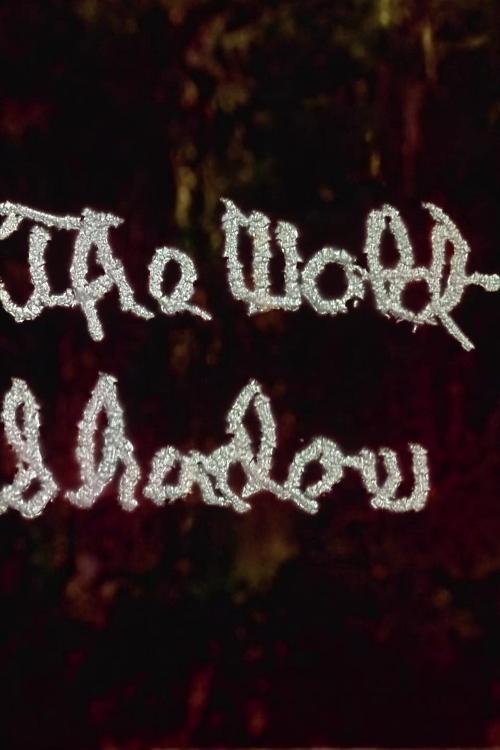
The Wold-Shadow is a non-narrative experimental short that eschews human characters, dialogue, and structured plots. Traditional metrics of identity-based representation like race, gender, and LGBTQ+ status are not applicable due to the absence of human subjects. However, the film offers a unique form of diversity through its narrative architecture. By abandoning an anthropocentric model, Brakhage challenges the systemic dominance of human-centered storytelling. The work replaces structured meaning with a fragmented, sensory-driven experience. Ultimately, the film's strength lies in its deconstruction of the Western gaze. It prioritizes subjective perception and organic textures over institutionalized or dogmatic frameworks, offering a postmodern approach to cinematic existence.
Category Breakdown
The film does not include characters or interpersonal dynamics related to LGBTQ+ identities. However, by rejecting traditional storytelling clichés, it avoids reinforcing assumptions about straight relationships.
Since there are no human characters, the film cannot depict gender hierarchies or traditional masculine or feminine roles.
The film focuses on organic textures like birch bark and sunlight, which removes any racialized subjects. Its non-human subject matter creates a color-blind experience.
The film challenges conventional religious and cultural expectations by focusing on sensory perception rather than organized narratives. It engages with a non-specific, naturalistic spirituality, moving away from dogmatic Western religious structures.
There are no characters depicted with physical or neurodivergent traits.
Present on Screen
Limited or Absent
Official Synopsis
A stand of birches. Sunlight brightens and dims, revealing more or less of the woods. A little grass is on the forest floor. Is there a shape in the shadows? Something green is out of focus. The light flashes, and the screen goes dark from time to time. We look up close at the bark of trees. Is the god of the forest to be seen?
1974
1963
1994
1999
1989
1960
1997
1999
No reviews yet. Be the first to share your thoughts on this movie!
Use the rating form above to leave a star rating and optional review.