I Want a Dog for Christmas, Charlie Brown
2003
No user ratings available yet
Representation score: 1.7 out of 10
Representation Score
Minimal
2006
TV-GDirector
Larry Leichliter, Bill Melendez
Runtime
22 minutes
Average Rating
No ratings yetNew Showbiz Analysis
The film preserves the conservative elements of the Peanuts franchise, emphasizing traditional archetypes and social structures from the original comic strip. It maintains a homogeneous demographic and avoids contemporary social evolution. The narrative lacks exploration of diverse identities and cultural perspectives, focusing instead on traditional morality and social order.
Category Breakdown
The film follows a strictly heterosexual and cisgender-focused storyline. There are no representations of LGBTQ+ identities or same-sex relationships.
Female characters such as Lucy and Sally have strong voices but remain confined within traditional gender roles and social hierarchies.
The character designs reflect a historically homogeneous demographic. The story adheres to traditional mid-century Western depictions of childhood.
The plot emphasizes conventional social morality and character resilience, reinforcing a stable social order without exploring diverse cultural perspectives.
There are no prominent depictions of visible or invisible disabilities that drive the central narrative.
Present on Screen
Limited or Absent
Official Synopsis
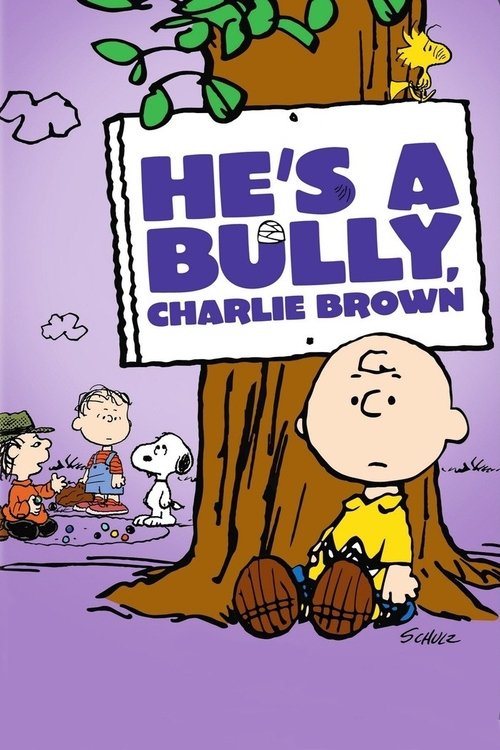
Charlie Brown and a few of his friends attend a camp, and there they meet Joe Agate, a lying bully who offers to teach kids the game of Marbles without telling them it's for keep. Then he takes their marbles for good. When Rerun is tricked and gets his marbles taken, Charlie Brown must use his own marbles to help get the other kids their marbles back. The only problem is, Charlie Brown doesn't know how to play.
2003
1969
2003

1977
2011
1981

1976
2022
No reviews yet. Be the first to share your thoughts on this movie!
Use the rating form above to leave a star rating and optional review.