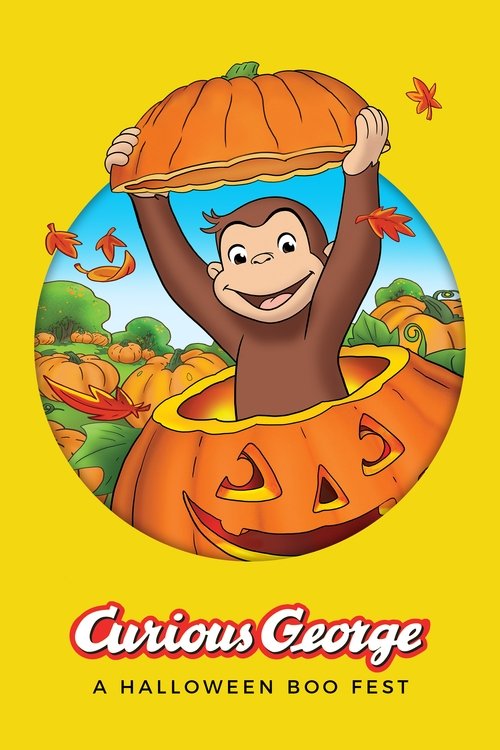
Curious George: A Halloween Boo Fest
2013
No user ratings available yet
Representation score: 1.1 out of 10
Representation Score
Limited
1979
GDirector
Chuck Jones
Runtime
30 minutes
Average Rating
No ratings yetNew Showbiz Analysis
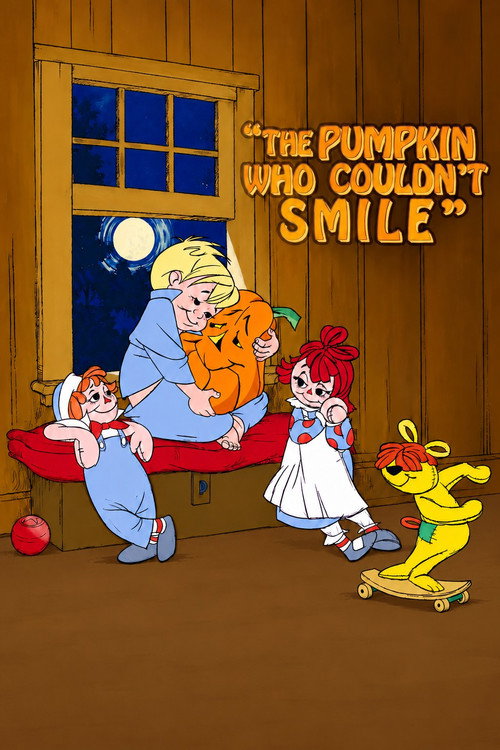
This animated special by Chuck Jones emphasizes classic storytelling and emotional sentimentality over the deconstruction of social hierarchies. The narrative reinforces conventional social roles, focusing on a restorative moral arc centered on empathy and kindness. While the film gently explores compassion, it does not intentionally address characters who reflect more than one aspect of diversity or diverse identities. Characters adhere to traditional archetypes without challenging systemic power dynamics.
Category Breakdown
The film does not include any LGBTQ+ characters or non-assuming gender matches what was assigned at birth identities. The relationships between the main characters follow a traditional, supportive dynamic.
Gender roles are traditional. Raggedy Ann is the emotional center, showing empathy, while Raggedy Andy reacts skeptically to her reasoning.
The production has a homogeneous, traditional look typical of late-1970s Western animation. There is no indication of a diverse cast or intentional race-bent casting.
The story centers on traditional Western values of community and kindness. It emphasizes restorative moral stories without challenging institutional authority or social structures.
A character's emotional struggle serves as a metaphor for social isolation. However, this does not offer a nuanced portrayal of neurodivergence or physical disability.
Present on Screen
Limited or Absent
Official Synopsis
Aunt Agatha threatens to call the police on innocent trick-or-treaters. Her nephew, Ralph, would love to be out with them. But what he wants most of all is a pumpkin. From across the street, Raggedy Ann and Andy watch the drama unfold. Andy is furious at Agatha for preventing the boy from enjoying the wonderful, horrible holiday. Ann, with her irritating insistence on fairness, decides that Agatha has merely forgotten what it's like to be young. The pressing matter ahead is getting Ralph a pumpkin. Andy scoffs at the idea of finding one at this late date. Ann reasons that if there's a little boy who needs a pumpkin, there must be a pumpkin who needs a little boy. She's right. Not far away, a miserable pumpkin is blubbering out pumpkin seed-tears because no one wants him for Halloween.
2013
1974

1983
1977
1974
1994
1981
1983
No reviews yet. Be the first to share your thoughts on this movie!
Use the rating form above to leave a star rating and optional review.